Your Cart is Empty


Diabetes affects how the body manages blood glucose (blood sugar), so it makes sense to check food labels carefully. Mānuka honey is still a honey: it contains sugars and can raise blood glucose. It is not a diabetic-safe alternative to sugar, even though it has a distinctive flavour and is graded differently from ordinary honey.
Some people with diabetes may be able to include a small amount of honey in their usual eating plan. Whether that works for you depends on your type of diabetes, medicines or insulin, glucose targets and the rest of the meal. The safest starting point is to ask the healthcare professional who manages your diabetes, especially if you are newly diagnosed or changing your diet.
Do not treat Mānuka honey as a treatment for diabetes or as a way to control blood glucose. Its MGO grade does not remove the sugars in the honey or make it a lower-sugar choice.
With Type 1 diabetes, carbohydrate-containing foods need to be considered alongside insulin and the plan set with your diabetes team. Honey is a concentrated source of carbohydrate, so a spoonful needs to be included in your carbohydrate counting if that is how you manage meals.
If you use insulin, do not make changes to doses or use honey differently without advice from the clinician supporting your care. A registered dietitian or diabetes specialist can help work out whether honey has a place in meals and how to account for it safely.
With Type 2 diabetes, the total amount and pattern of carbohydrate across the day matter more than a single food being labelled “natural”. Honey can still raise blood glucose, so it is sensible to treat it as an occasional sweet food rather than a health product. If you choose to have it, use a measured amount and consider it as part of a meal rather than adding it on top of other sugary foods and drinks.
Your own glucose readings, medicines and goals are personal. If a new food seems to give readings outside the range agreed with your care team, discuss that with them rather than assuming a different honey grade will solve the problem.
There is no single portion that is right for everyone with diabetes. A practical approach is to use a small, measured amount rather than pouring freely from the jar. Think of honey as a sweetener, not as a daily supplement: the amount should fit within the food plan agreed with your GP, diabetes nurse or dietitian.
It may also help to look at the nutrition label for the serving size and sugars per serving. When comparing products, compare like for like and remember that a larger spoonful means more sugar, regardless of whether the honey is Mānuka, runny or set.
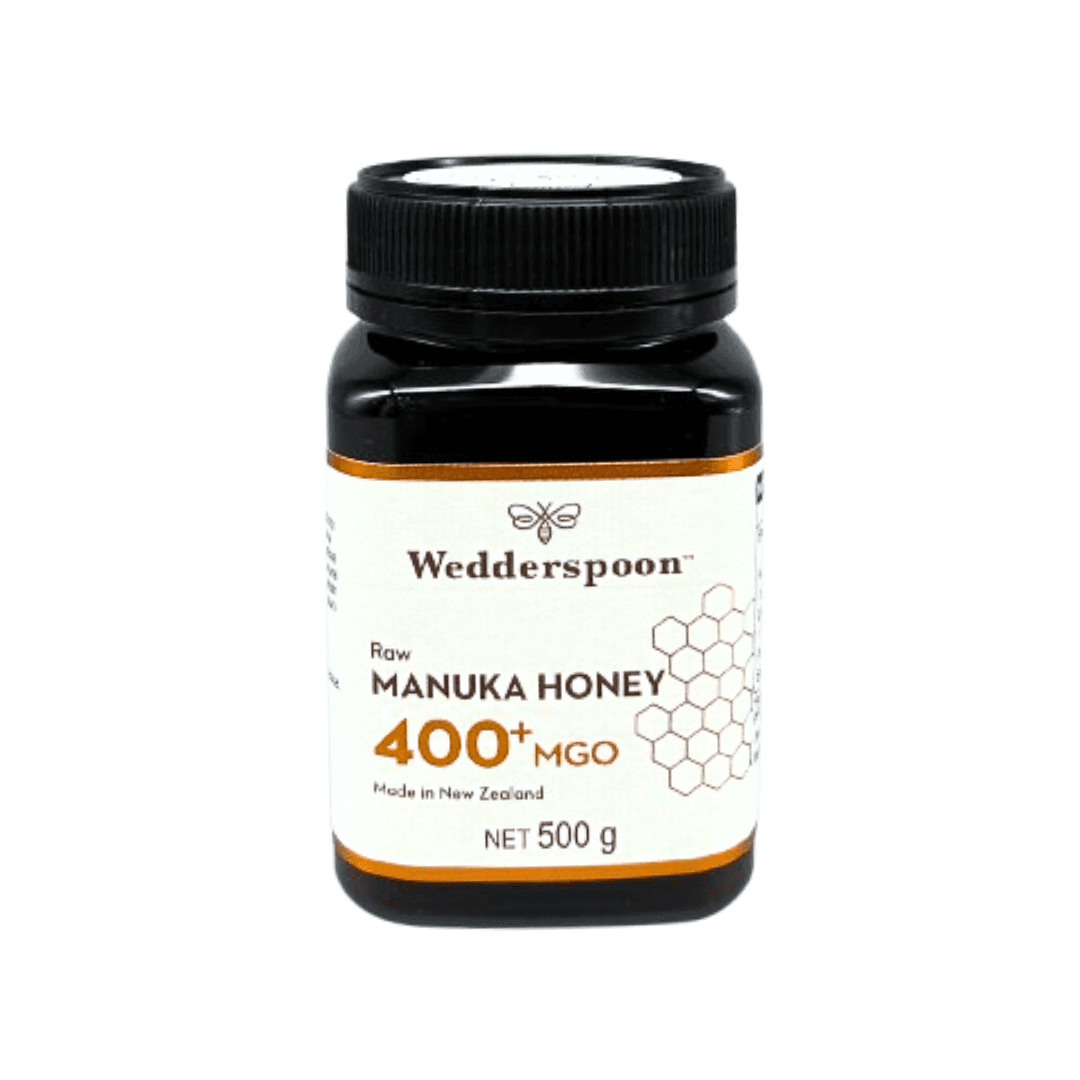
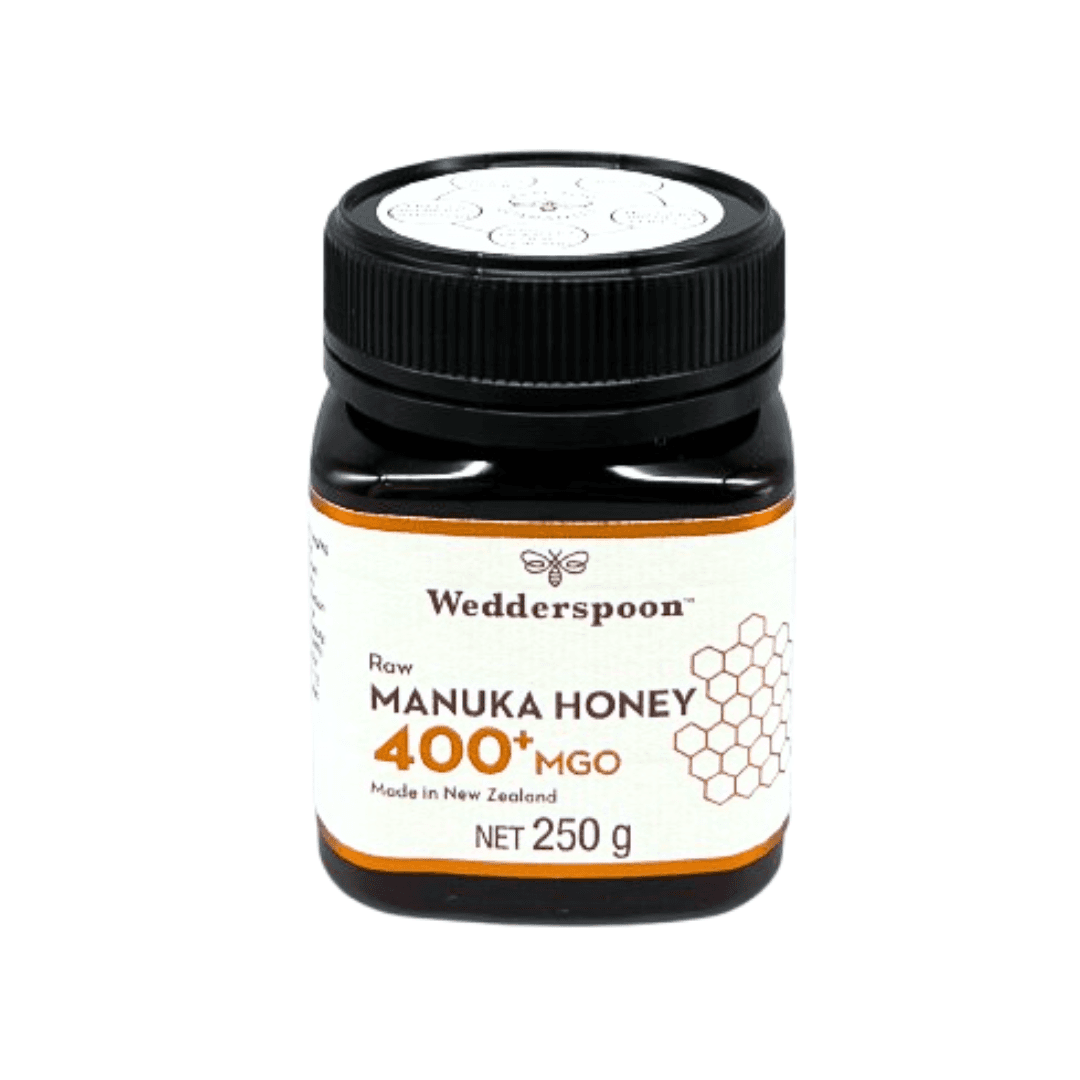
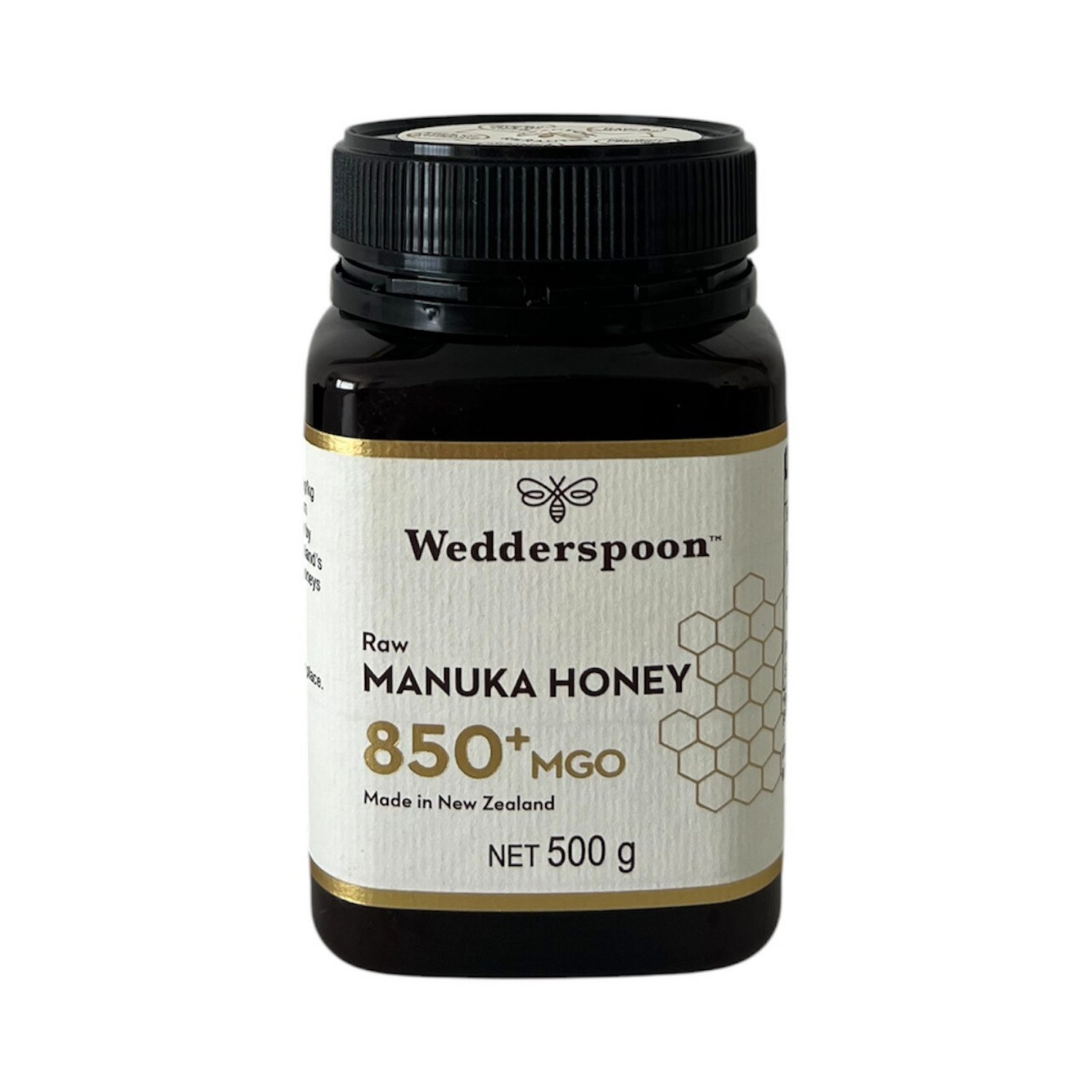
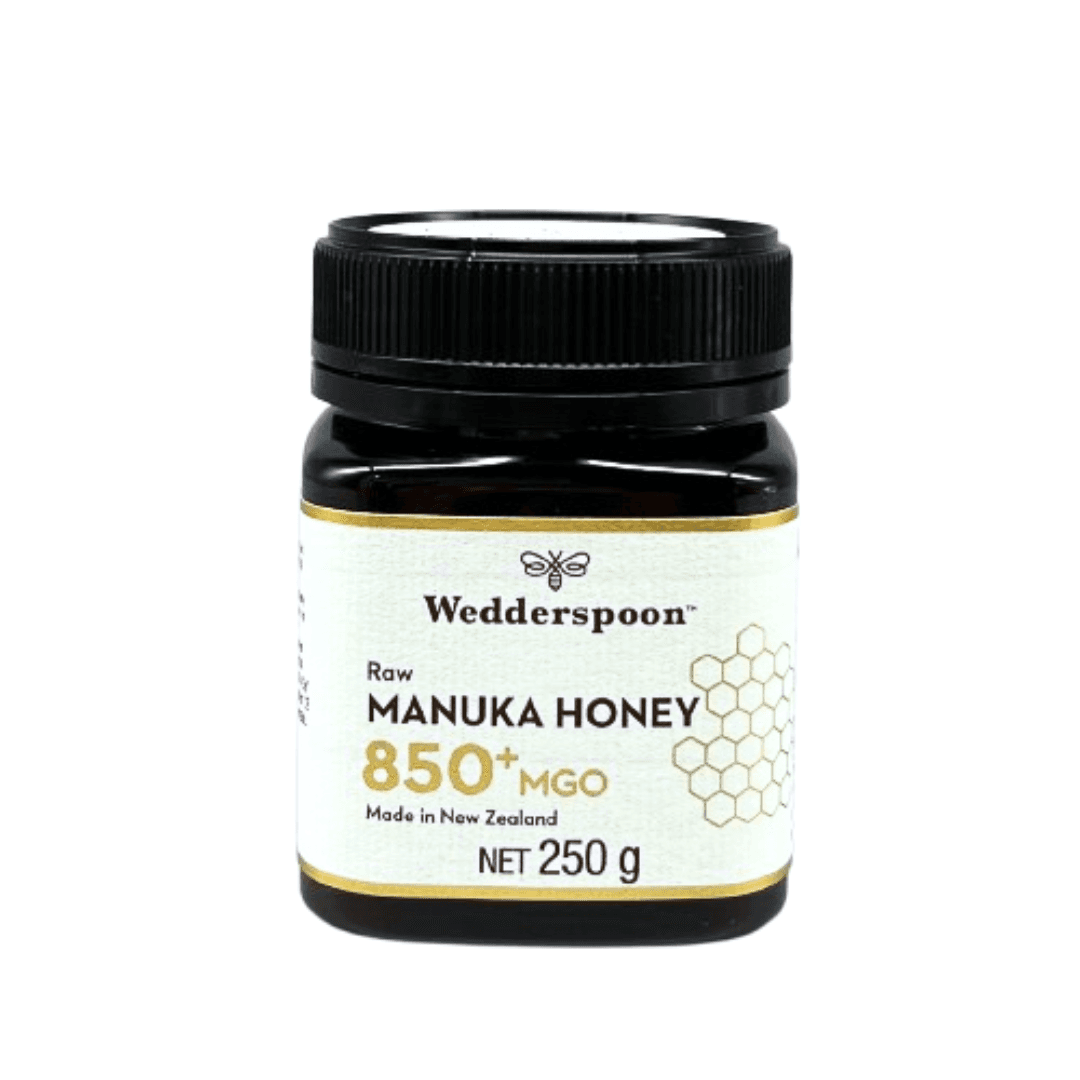
MGO is short for methylglyoxal, a naturally occurring compound used to grade Mānuka honey. A higher MGO number describes that compound; it does not mean the honey is sugar-free, lower in carbohydrate or suitable for diabetes without considering the portion.
If authenticity matters to you, look for clear grading and product information rather than relying on health claims. At Manuka Honey Direct, our Mānuka honey range shows the grade on each product page, so you can compare jars and choose the product that suits your taste and budget. That information is useful for choosing honey, but it is not a substitute for diabetes advice.
Speak to a healthcare professional if your glucose readings are regularly outside the range agreed for you, if you are unsure how to count carbohydrate, or if you are considering changing medication, insulin or your eating plan. For urgent symptoms or advice when your GP is unavailable, use NHS 111. Seek urgent medical help for severe symptoms or if you feel seriously unwell.
Signs that need prompt medical advice can include unusual thirst, needing to urinate more often, unexplained weight loss, extreme tiredness, blurred vision or cuts that are slow to heal. These symptoms can have different causes, so they should be assessed by a health professional rather than managed with dietary changes alone.
Mānuka honey is not automatically off limits for everyone with diabetes, but it is still a sugary food. Its MGO grade does not make it a treatment or a lower-sugar alternative. If you want to include it, keep the portion measured, factor it into your usual food plan and check with the person managing your diabetes care. This page is general information, not medical advice.