Your Cart is Empty


Propolis comes up a lot in natural health conversations, so here's an honest look at what it actually is.
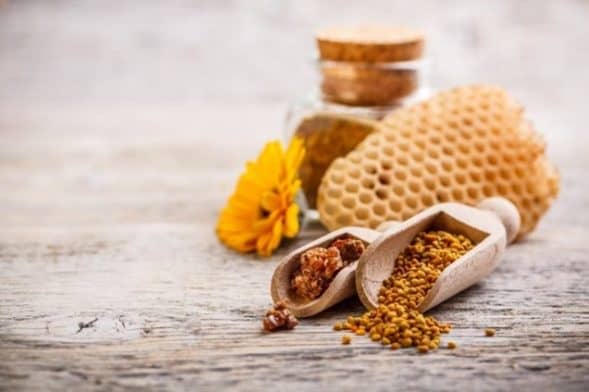
Propolis is a resinous substance bees make by mixing their saliva and beeswax with resin collected from trees and plants, sometimes called "bee glue." Bees use it to seal gaps in the hive and protect it from intruders and the elements. Its composition varies depending on where the bees forage, and researchers have identified more than 300 compounds in it, many of them polyphenols with antioxidant properties, which is part of why it's hard for scientists to draw firm, general conclusions about its effects.
Humans have used propolis for centuries: the Ancient Egyptians used it for embalming, Roman soldiers carried it to treat wounds, and it earned the nickname "Russian penicillin" for its traditional use in the World Wars. That long history is genuinely interesting, but it isn't the same thing as modern clinical evidence, and we want to be upfront about that distinction.
Propolis has been studied for antibacterial, antiviral, antifungal and anti-inflammatory activity, and there's reasonable evidence for its traditional use in supporting oral health and skin comfort. What the current research does not support is using propolis to treat serious conditions like cancer or diabetes, and we don't want to suggest otherwise. If you're managing a health condition, your GP is the right first port of call, propolis is a natural product worth knowing about, not a substitute for medical care.
Propolis is available as a tablet, capsule, powder, spray or lozenge, and applied topically in creams, gels and balms. It's generally considered safe at normal doses, though it should be avoided by anyone allergic to bee products, and it may affect blood clotting, so it's worth checking with a doctor if you're on medication or have a bleeding disorder, or are due for surgery.