Your Cart is Empty


We're often asked about the different Mānuka honey rating systems, so here's honestly what KFactor is, and where it fits alongside the others.
The real baseline: New Zealand's Mānuka scientific definition
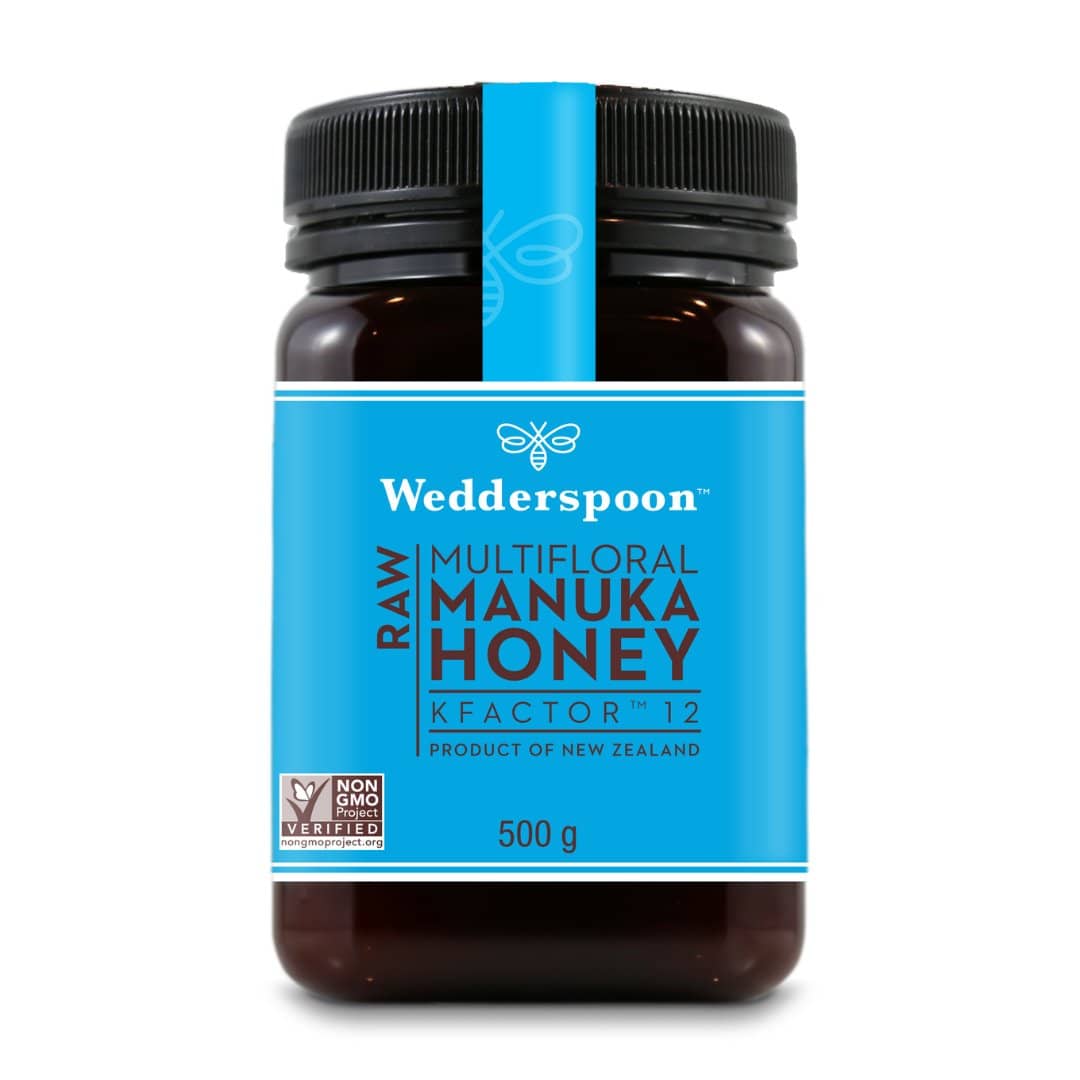
Every jar of genuine Mānuka honey exported from New Zealand, regardless of brand or rating system, must meet the Ministry for Primary Industries' Mānuka scientific definition, and carry either a MONOFLORAL or MULTIFLORAL classification. That's the one government-regulated, independently tested standard behind the word "Mānuka" itself. Everything else, KFactor, MGO, is an additional, voluntary rating layered on top of that baseline.
What KFactor actually measures
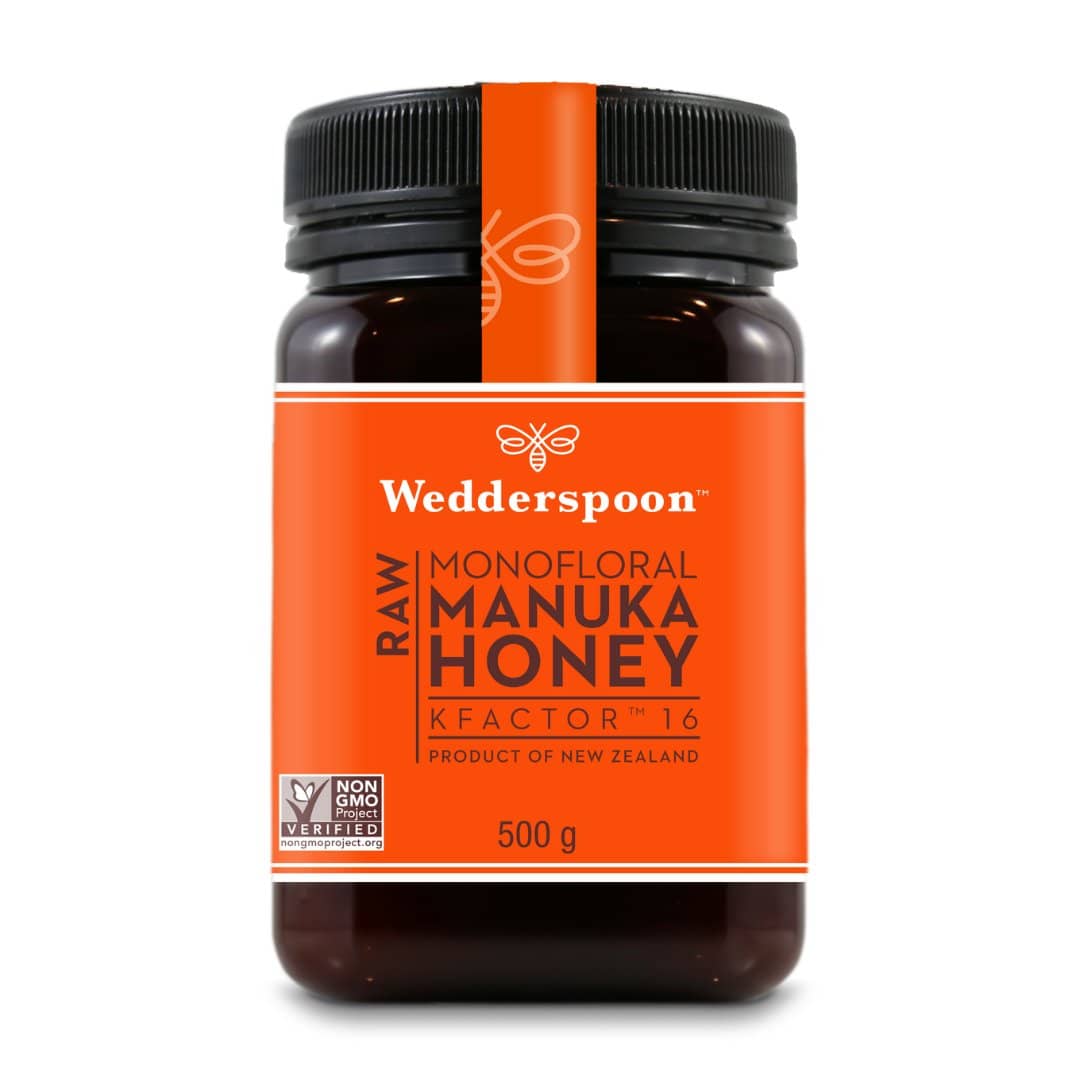
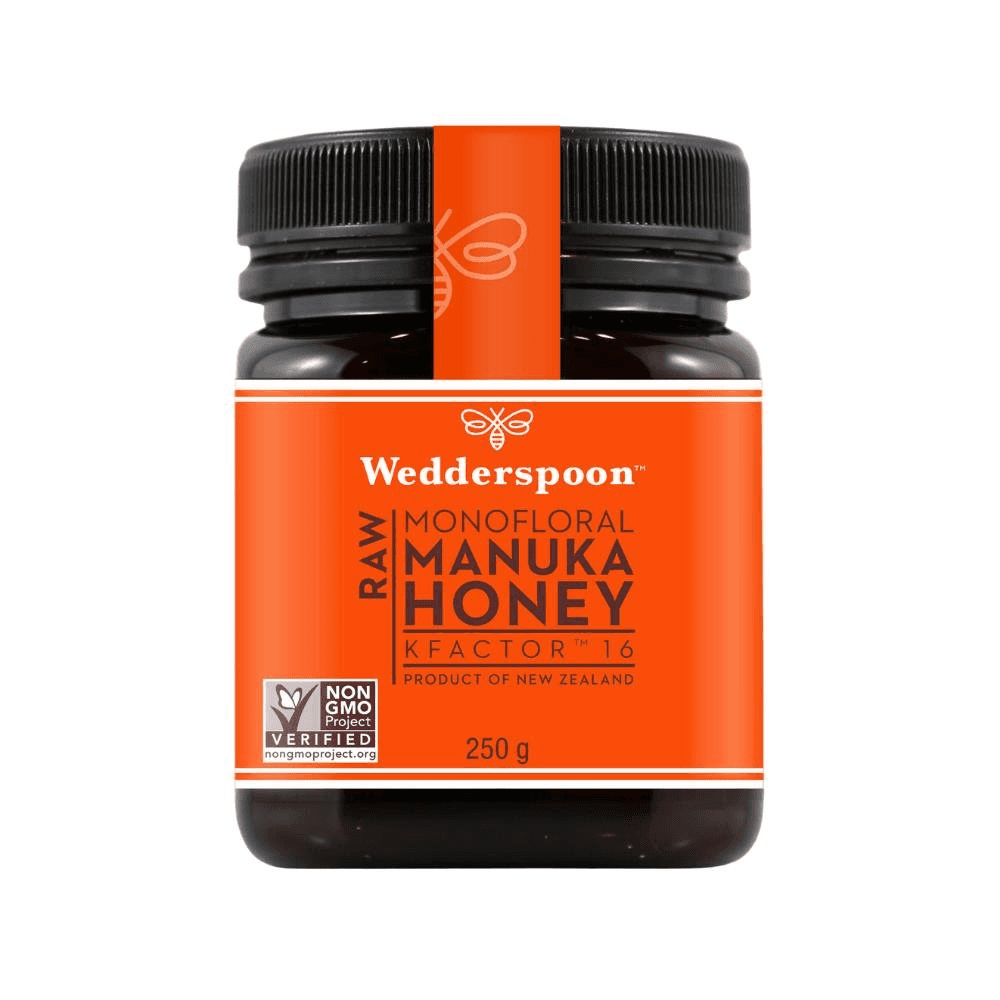
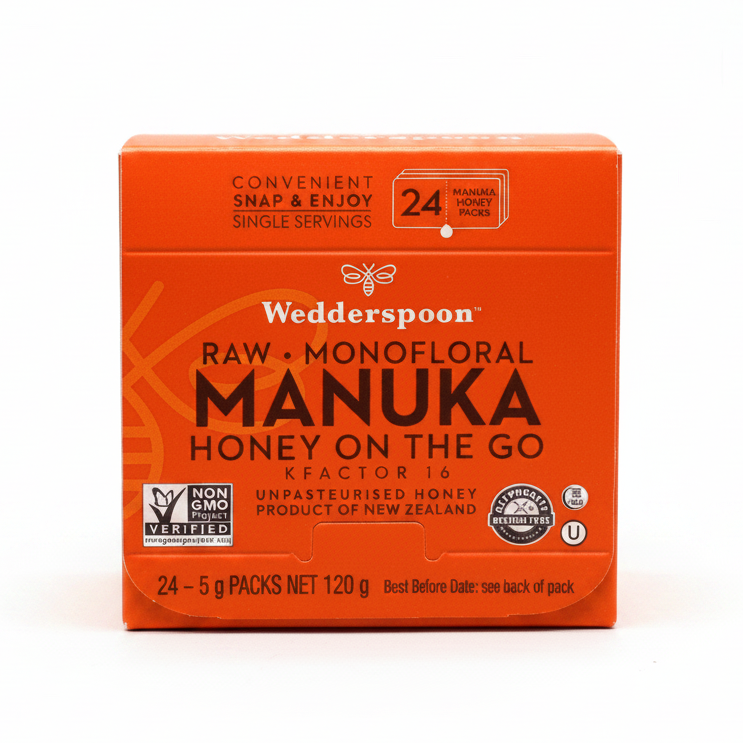
KFactor is Wedderspoon's own trademarked rating system, and it specifically measures the concentration of Mānuka pollen, in other words, Mānuka DNA, in the honey. Wedderspoon was an early industry partner in helping the Ministry for Primary Industries develop the pollen-testing element of the scientific definition itself, at a time when few other producers were testing for pollen presence at all.
How that's different from MGO
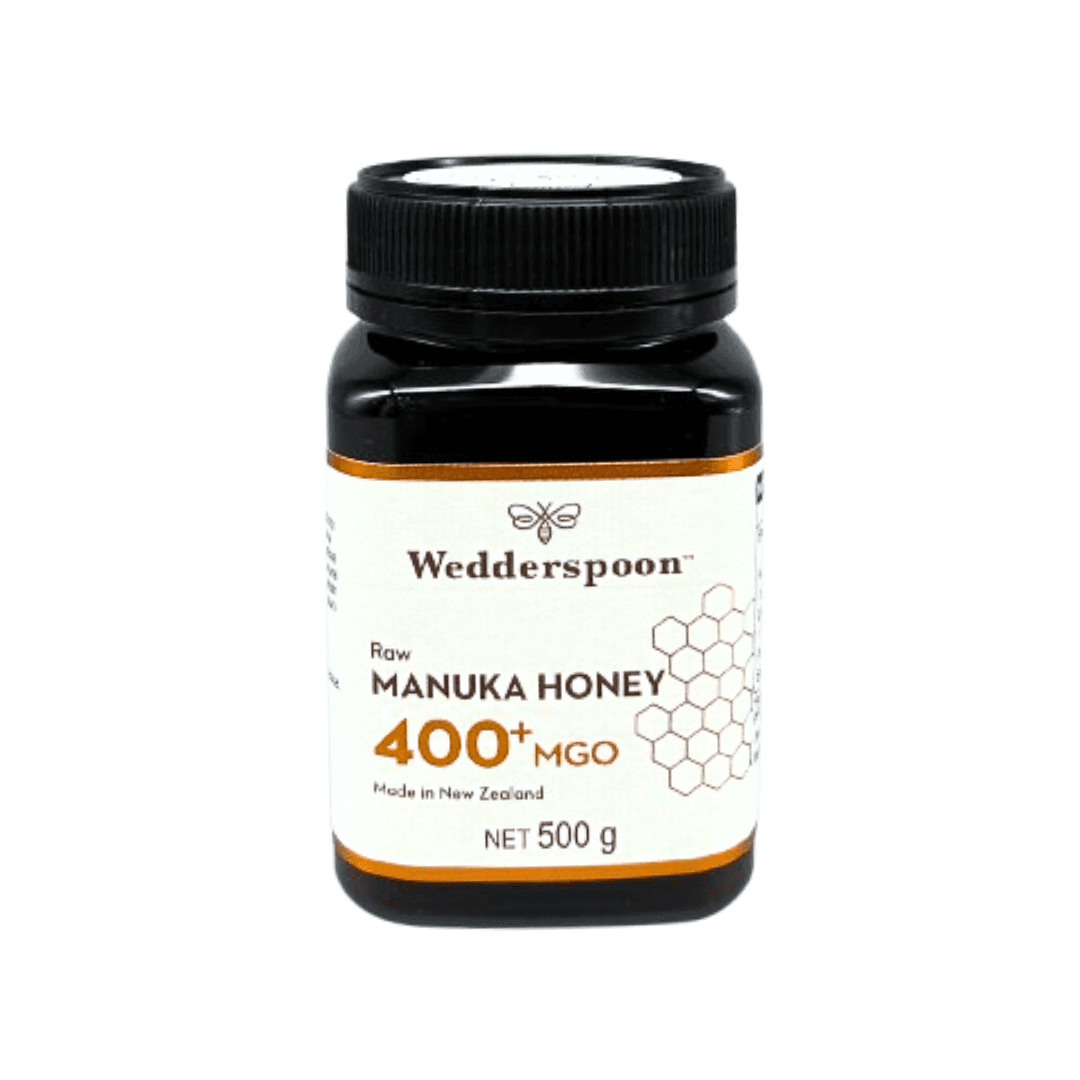
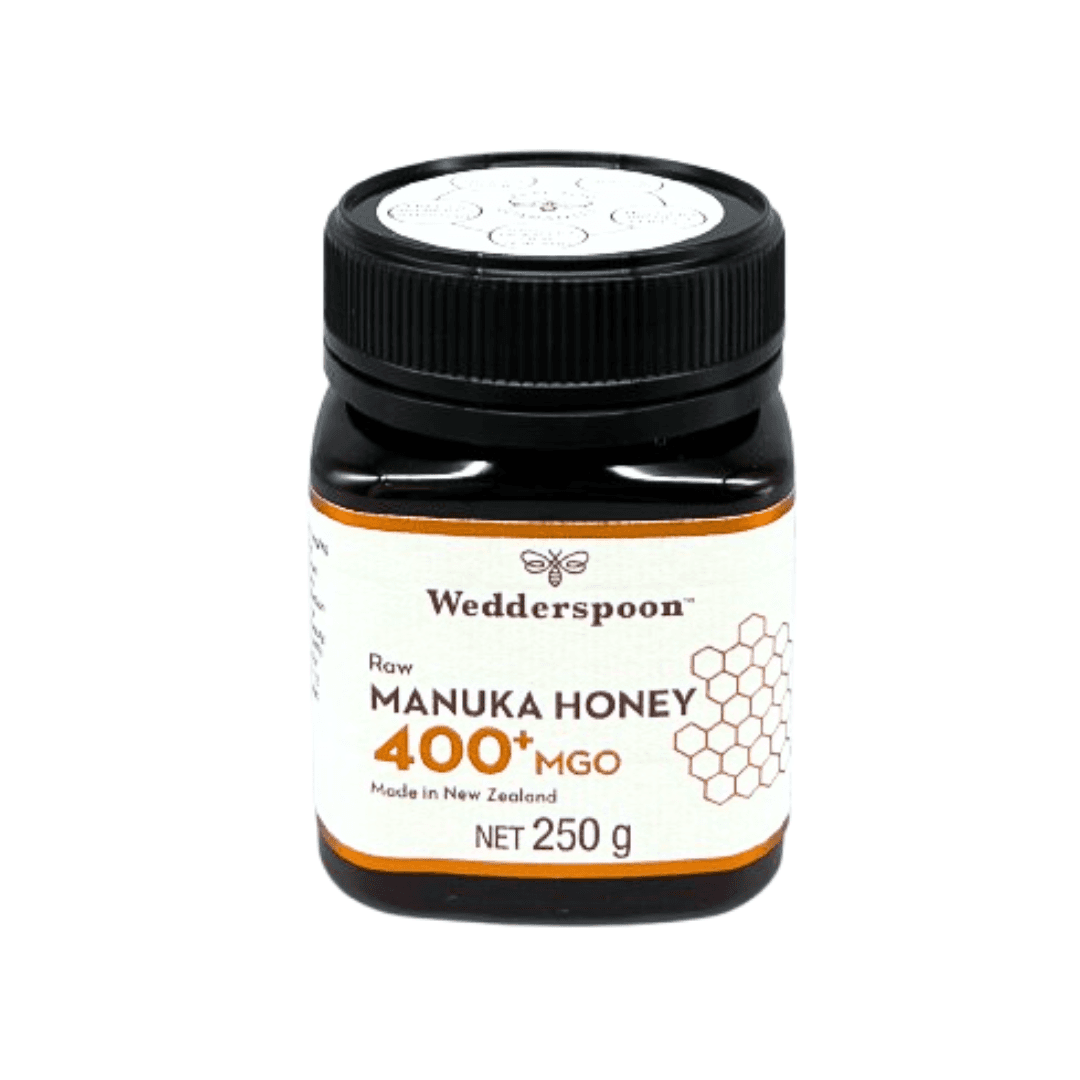
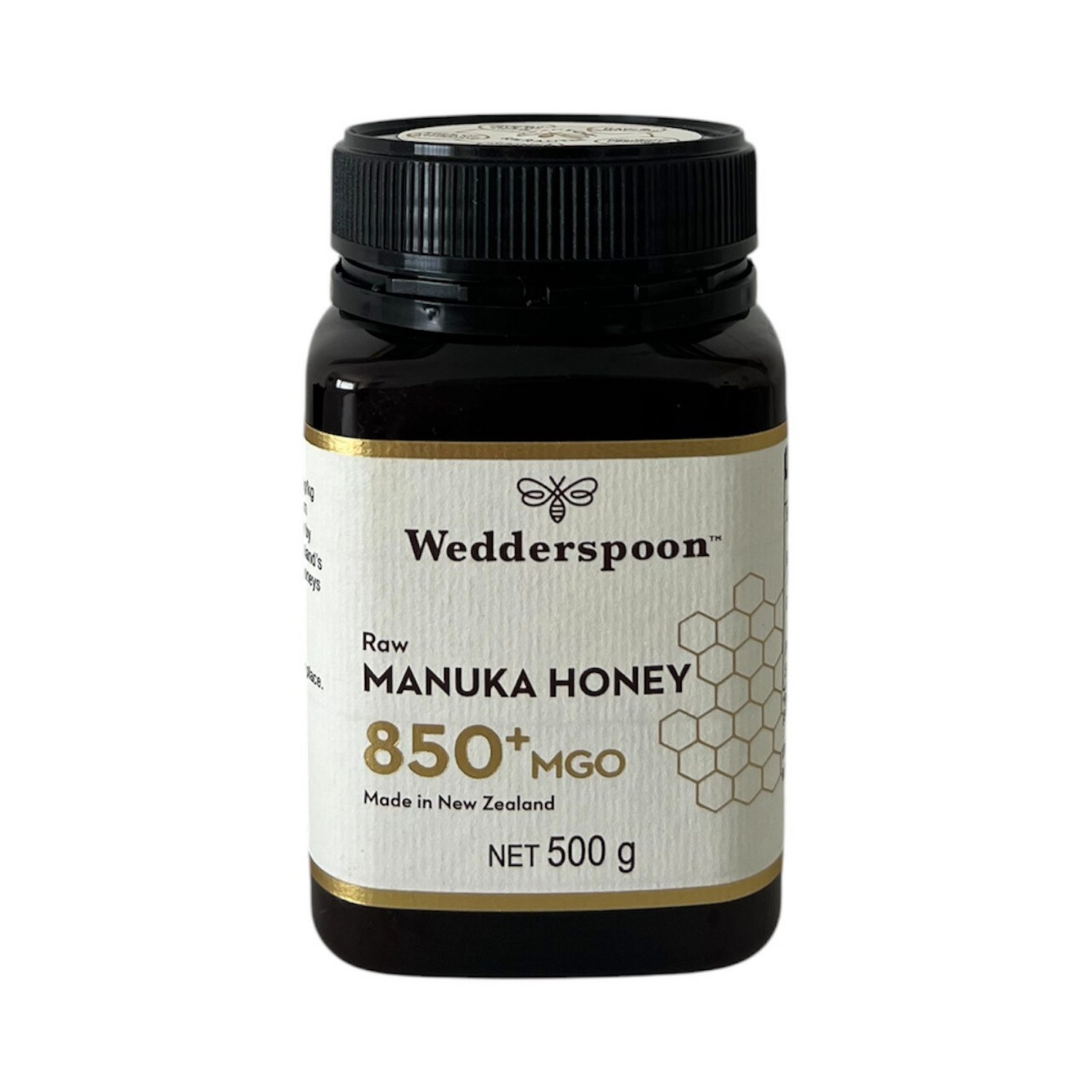
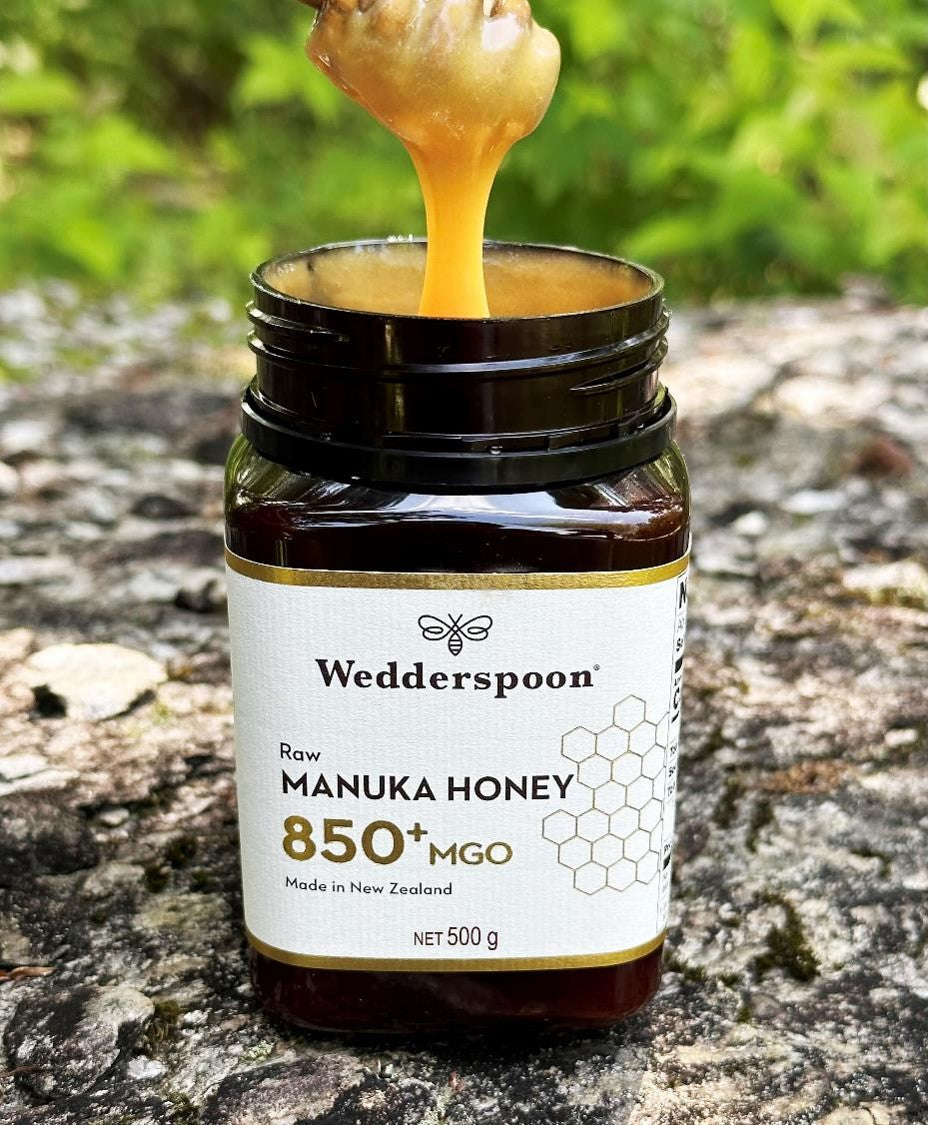
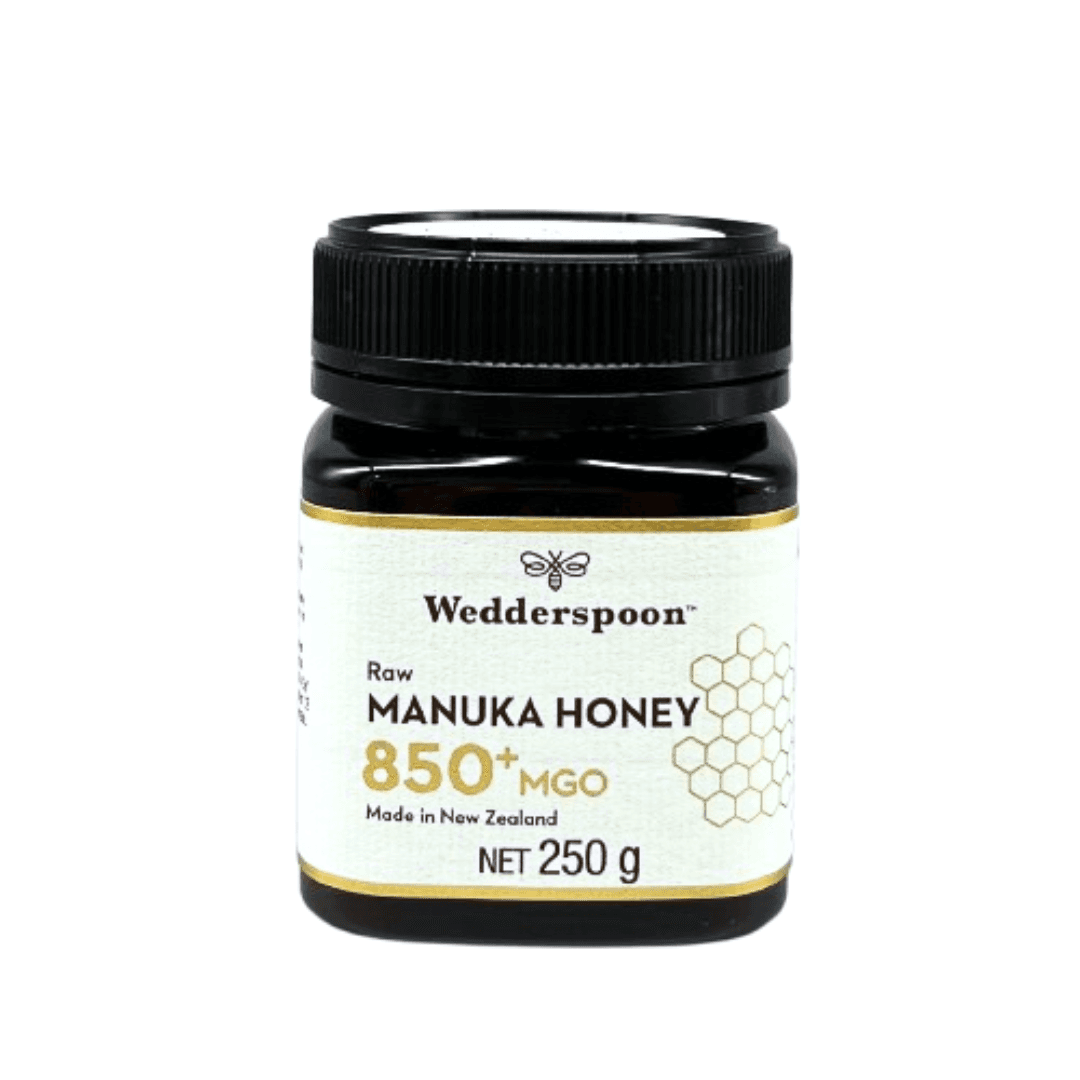
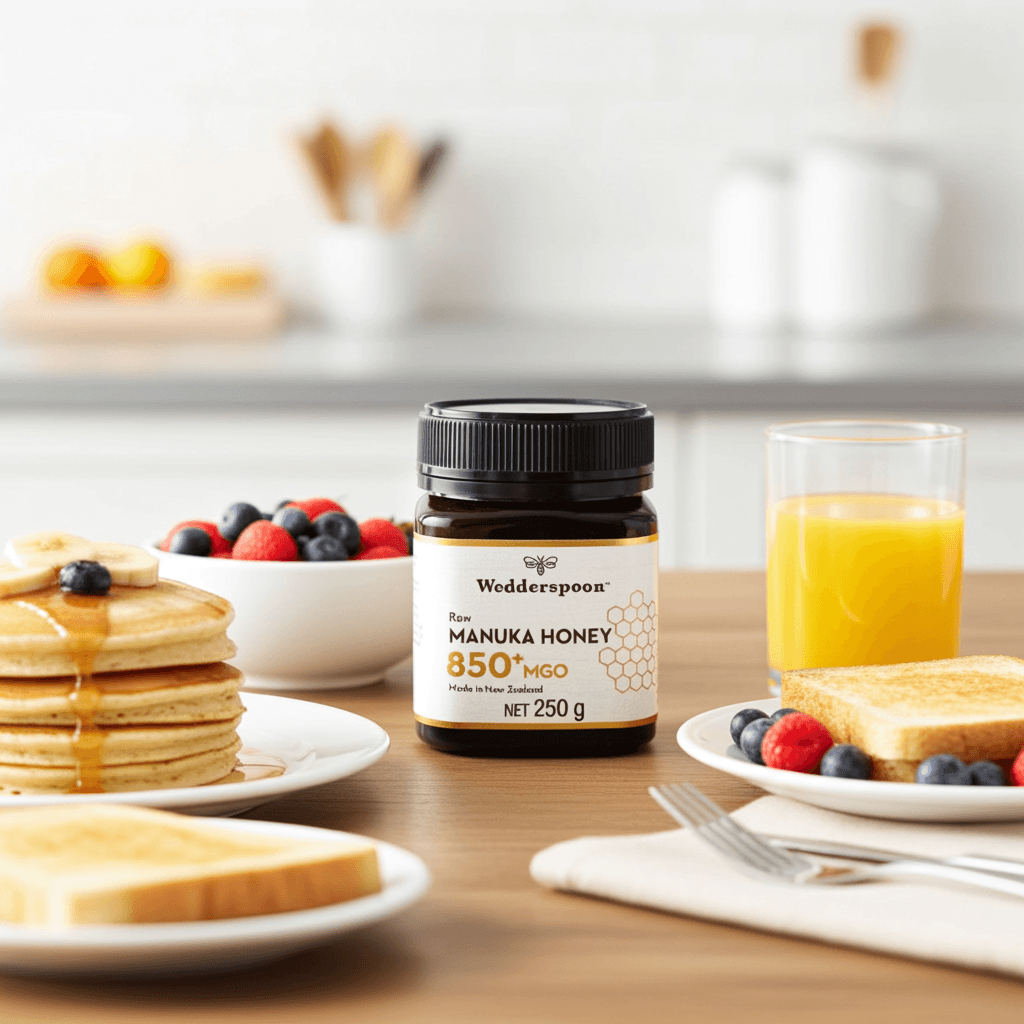
MGO measures something else entirely: the concentration of methylglyoxal, a compound linked to Mānuka honey's reputation. Both are genuine, independently verifiable measurements, they just measure different things, pollen concentration versus MGO concentration, so it's not really a case of one being "better" than the other. Which matters more to you probably comes down to what you're looking for. These days, we're proud to offer Wedderspoon in both KFactor and MGO grades.
In summary
Only the MONOFLORAL and MULTIFLORAL classification is the actual government-regulated Mānuka standard. KFactor and MGO are both genuine, well-regarded ways of rating honey beyond that baseline, just measuring different things.