Your Cart is Empty
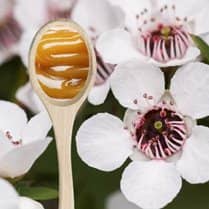

Mānuka Honey comes from the Mānuka bush (Leptospermum scoparium), native to New Zealand. The bush only flowers for a short window each year, so bees have to work quickly to gather its pollen. That pollen carries methylglyoxal, the compound behind Mānuka honey's distinctive antibacterial reputation. Mānuka honey comes in two forms, monofloral and multifloral, and it's worth knowing the difference before you buy.
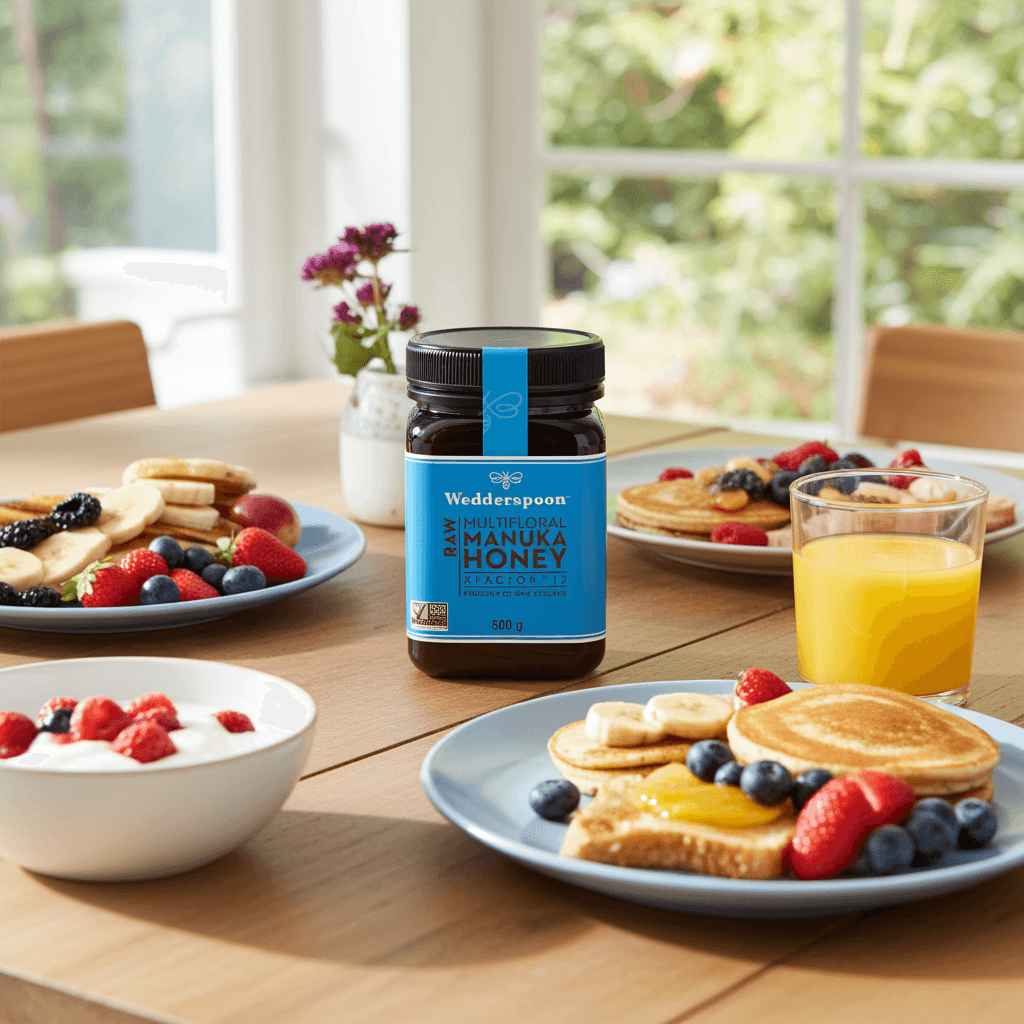
Multifloral Mānuka Honey
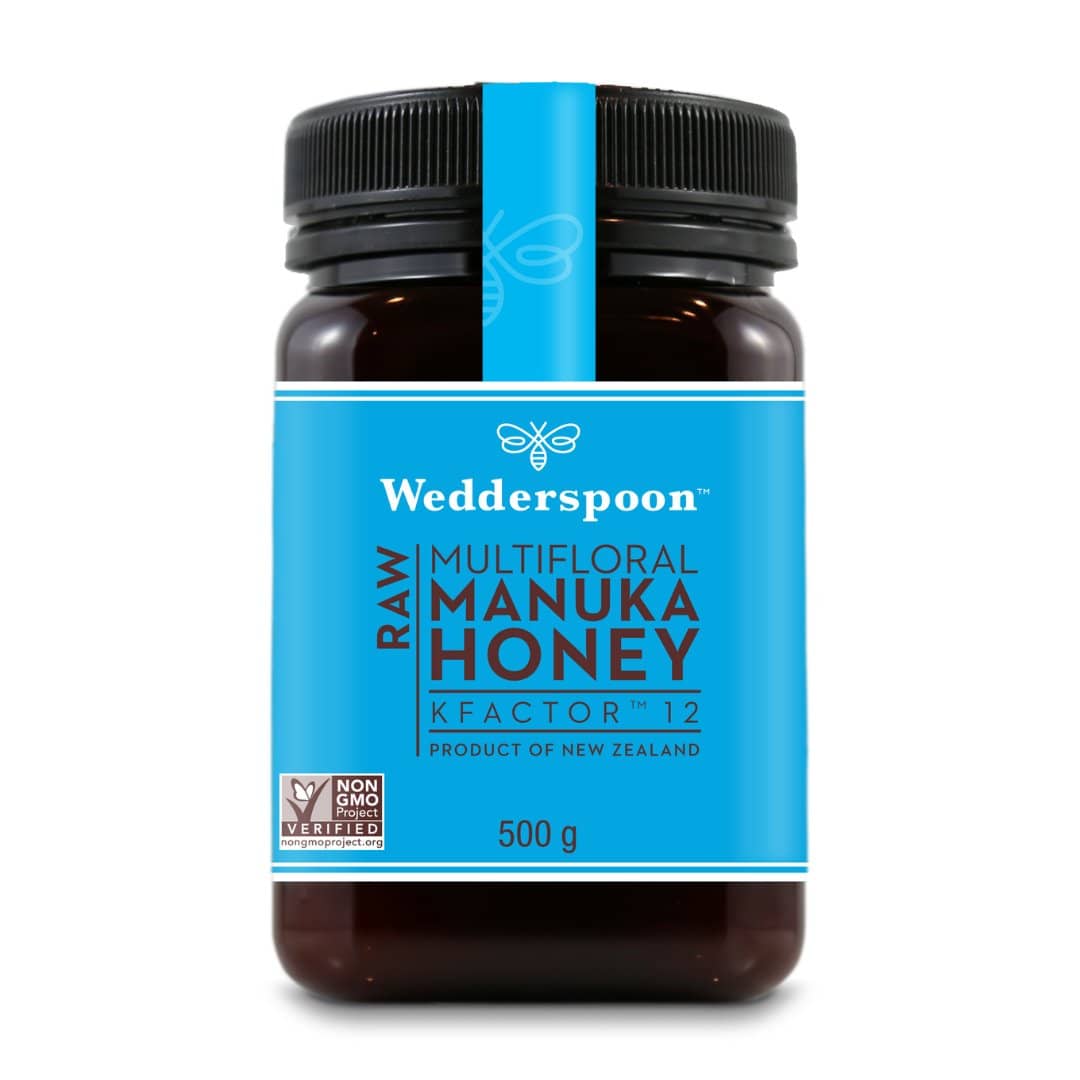
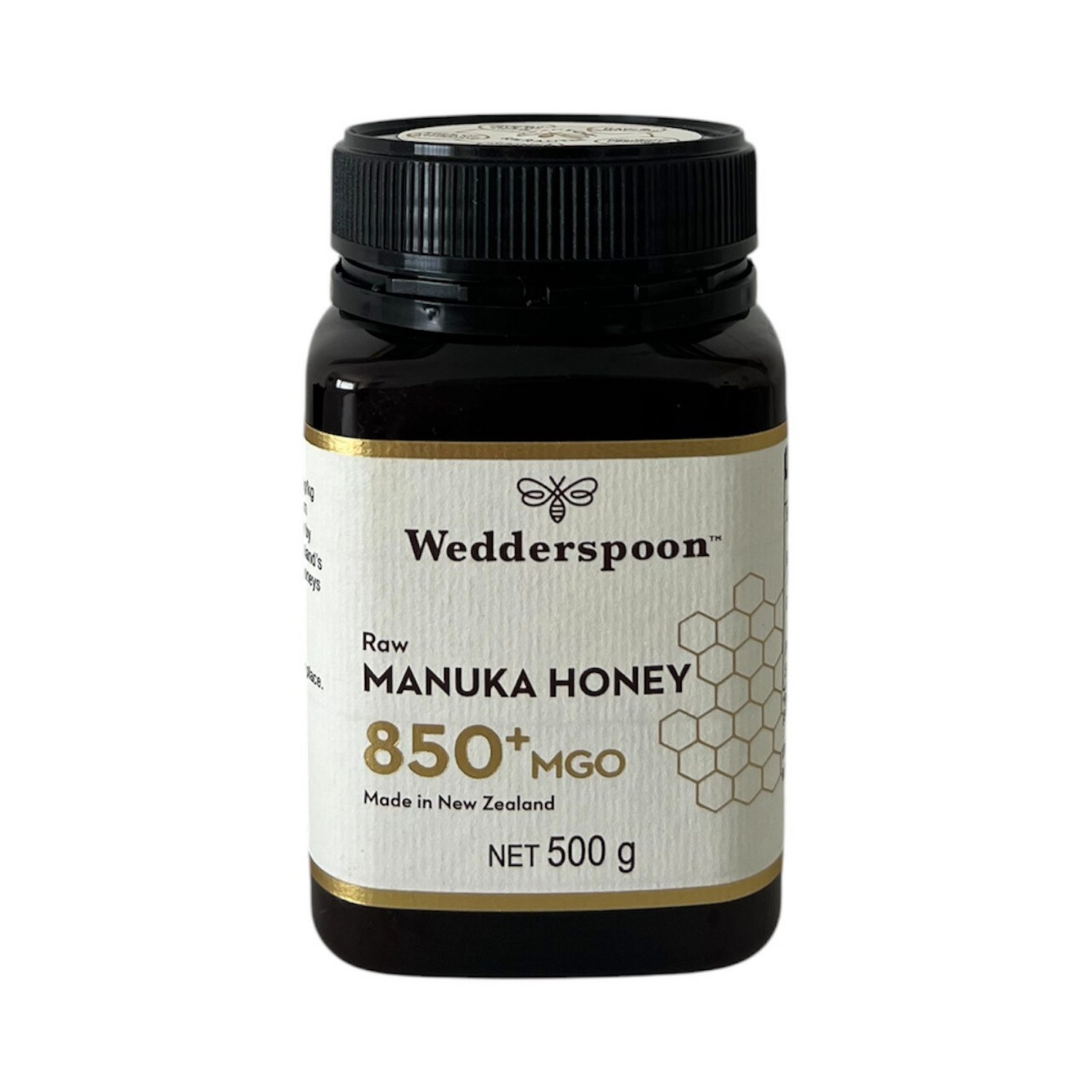
Multifloral Mānuka honey comes from bees that visit several different flowers and plants, not just Mānuka, so it has a lower concentration of Mānuka pollen. It's a lighter, more affordable everyday honey that still carries genuine Mānuka character, just less concentrated. Shop Multifloral Mānuka Honey
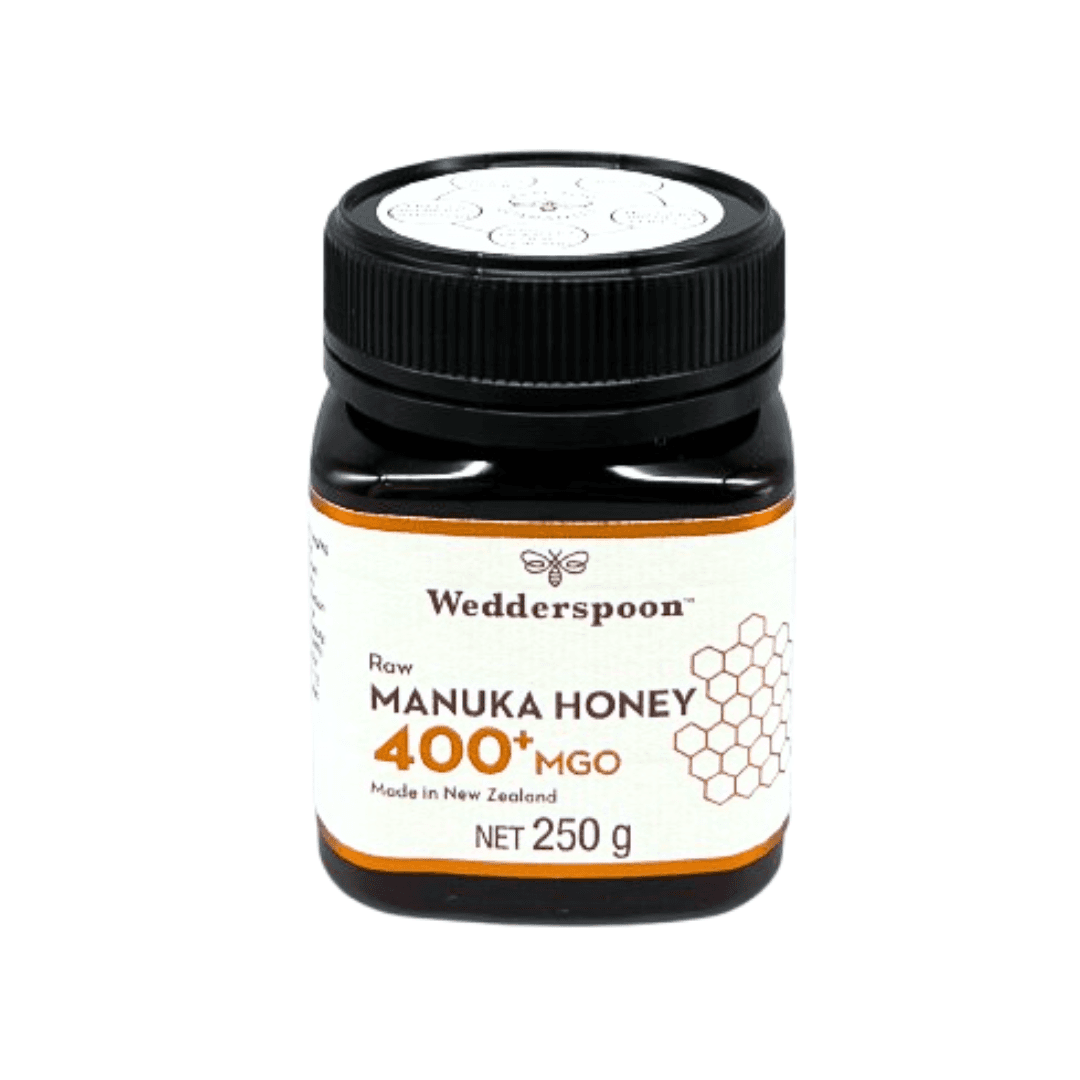
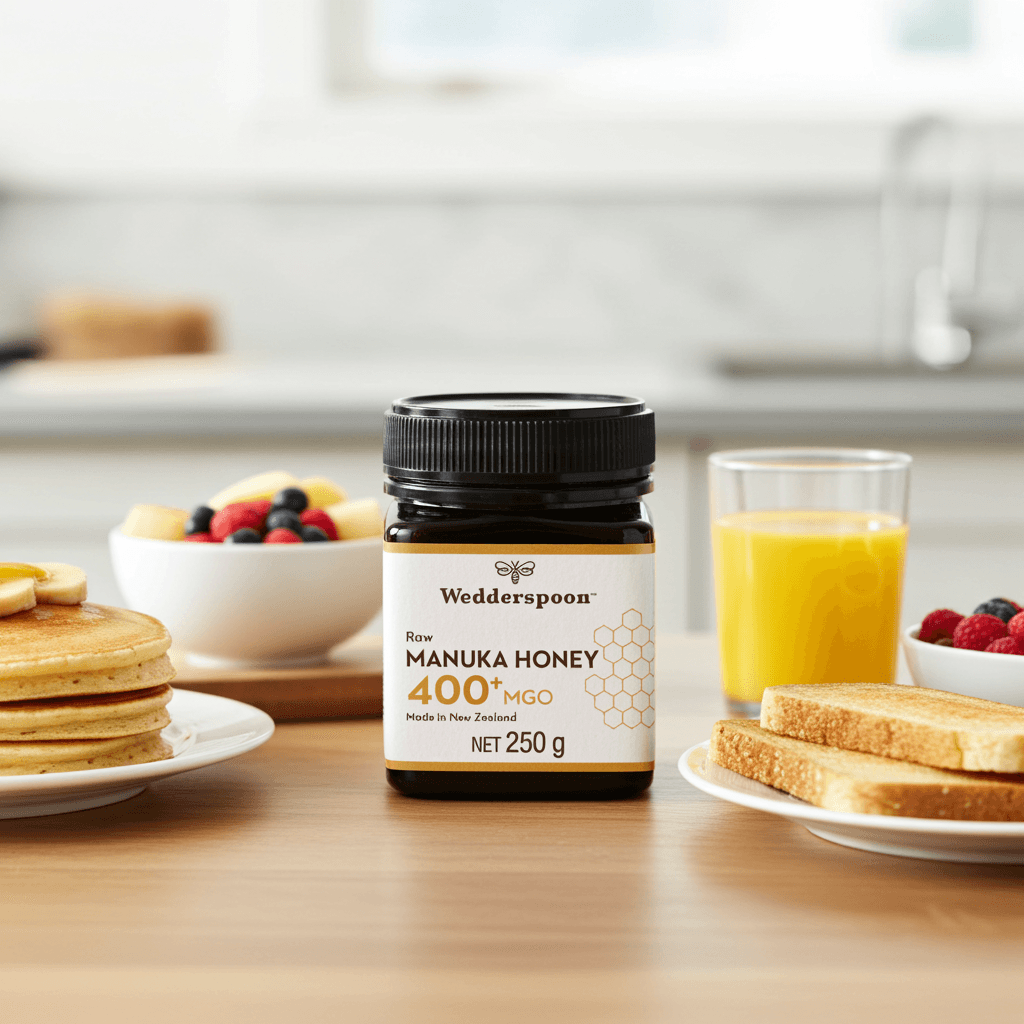
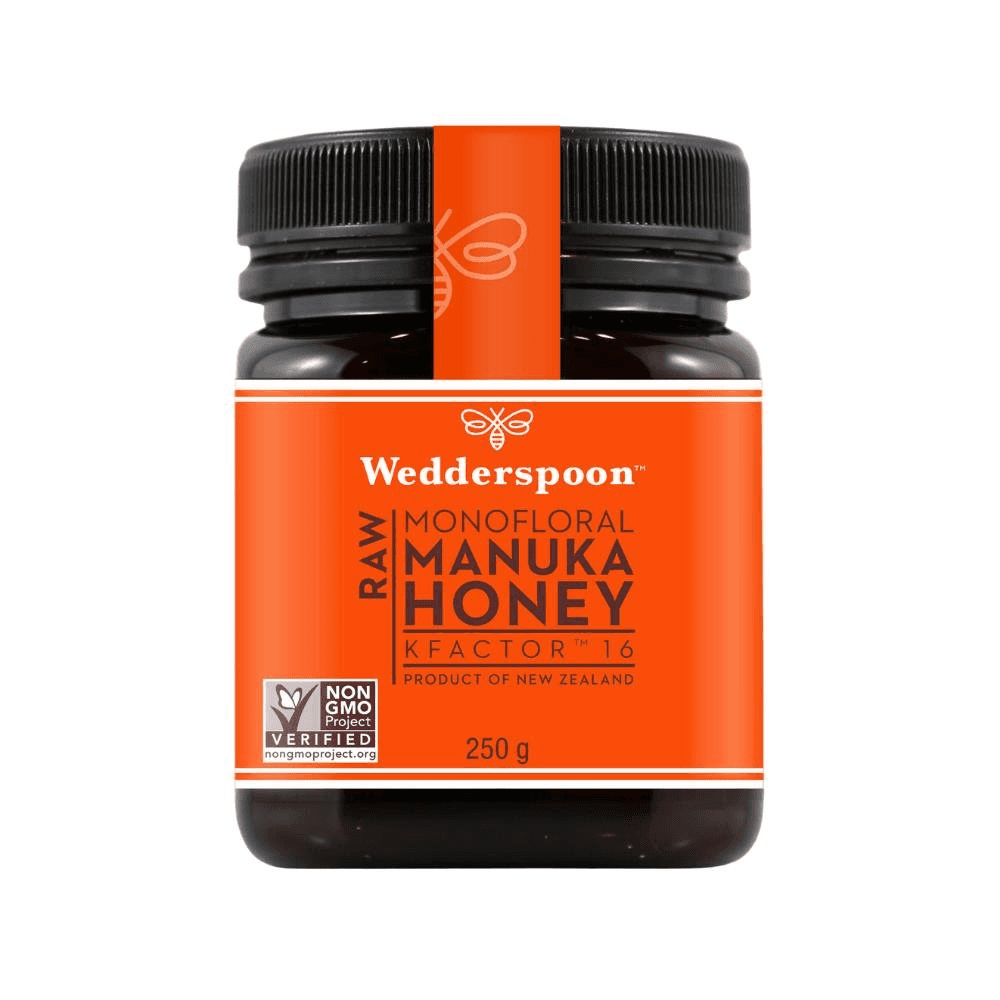
Monofloral Mānuka Honey
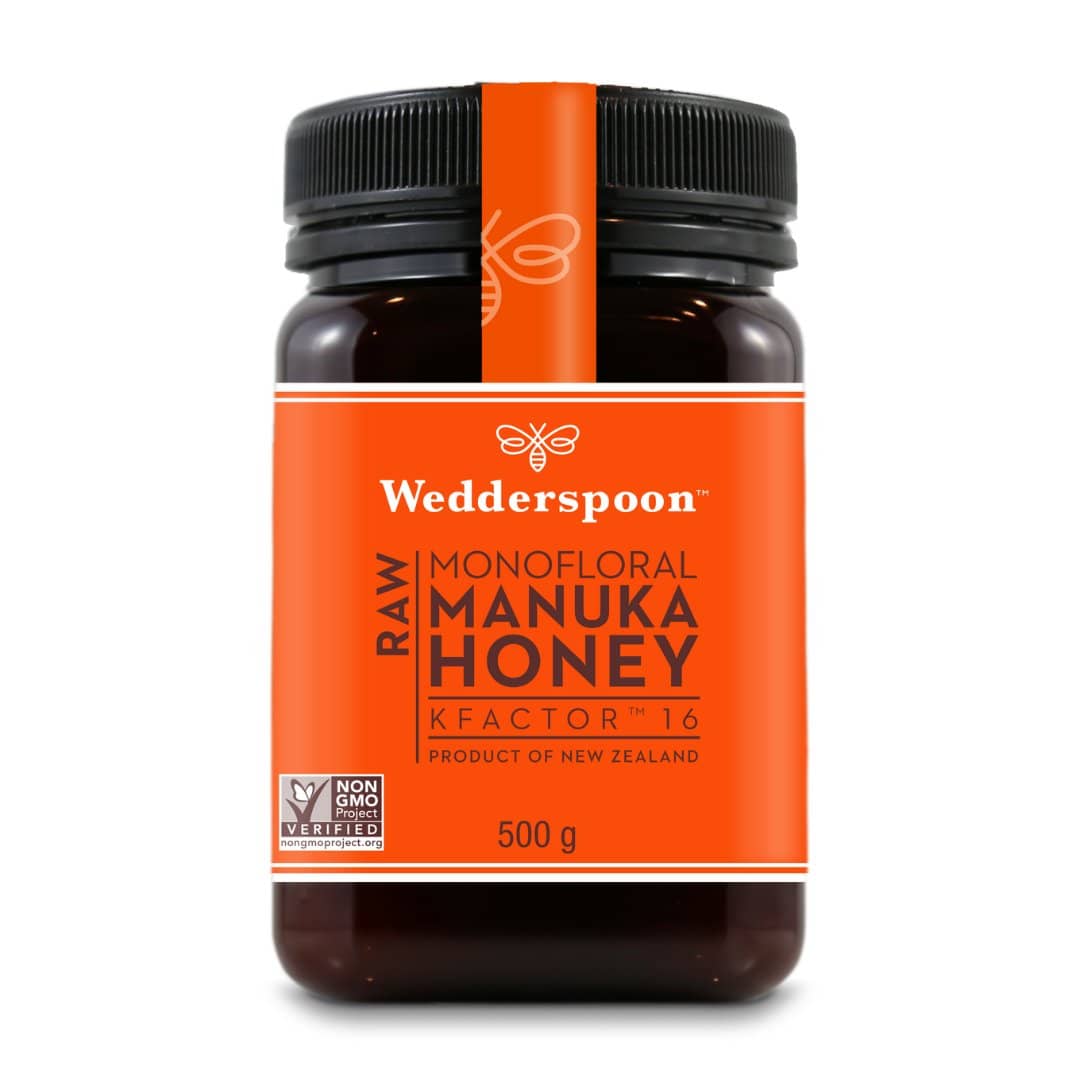
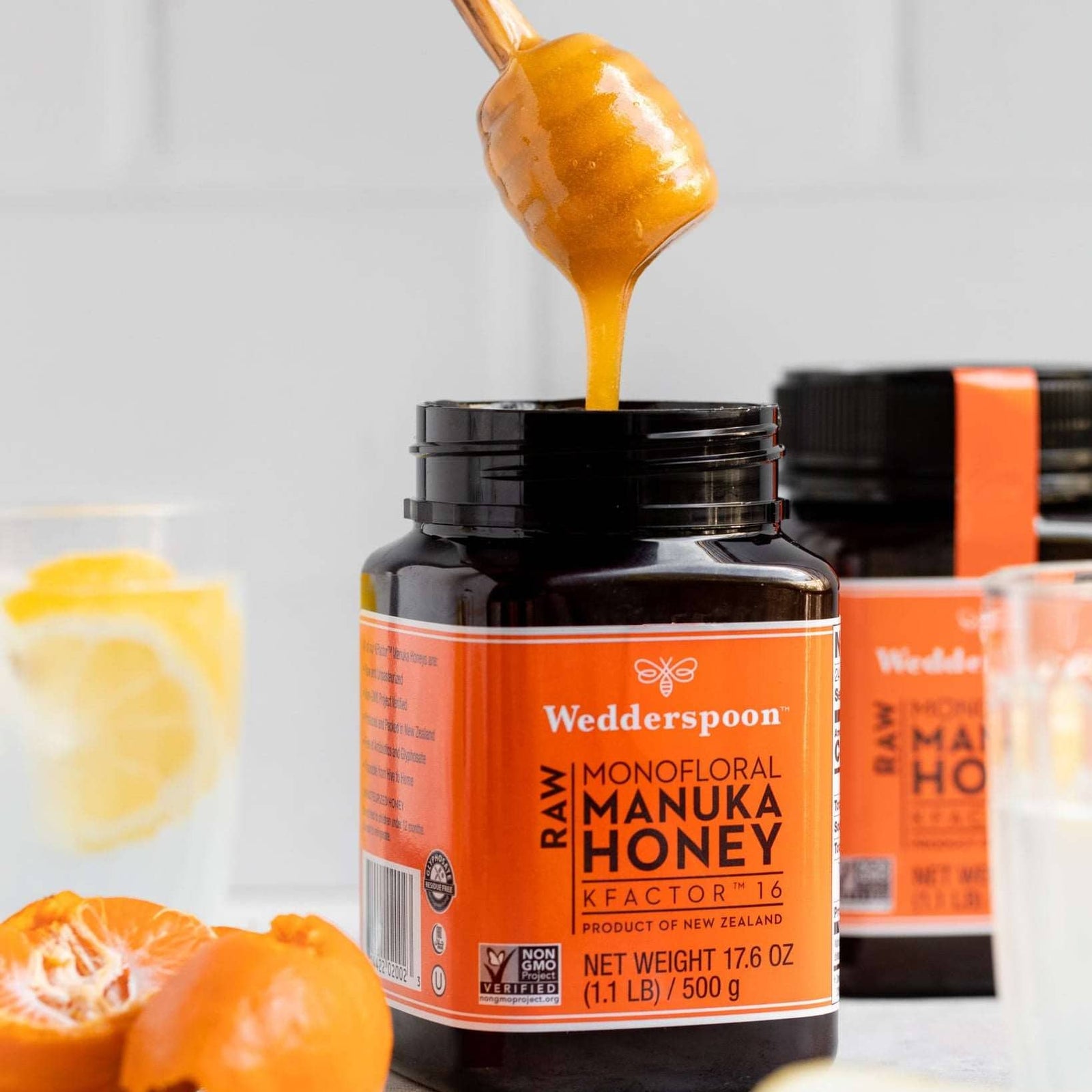
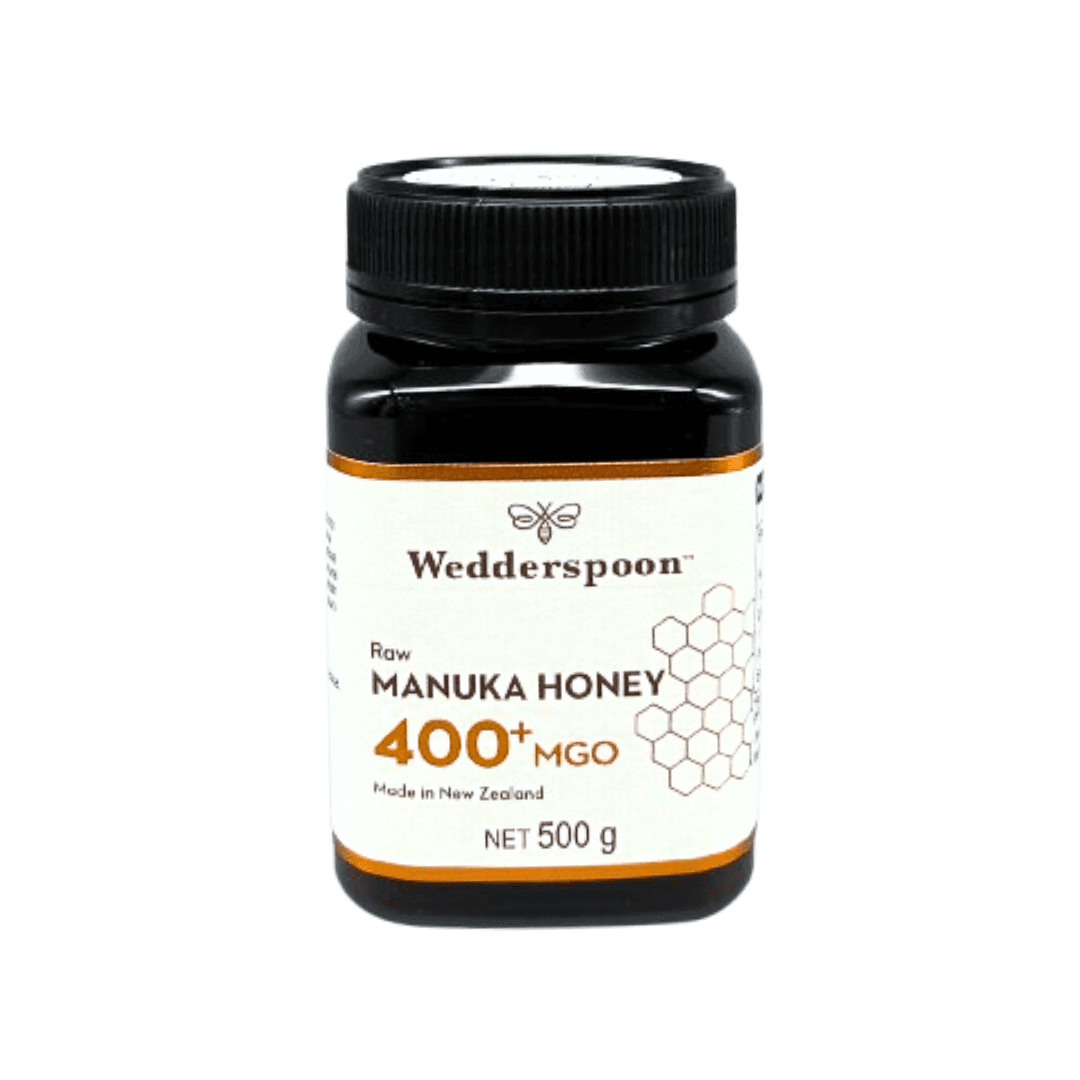
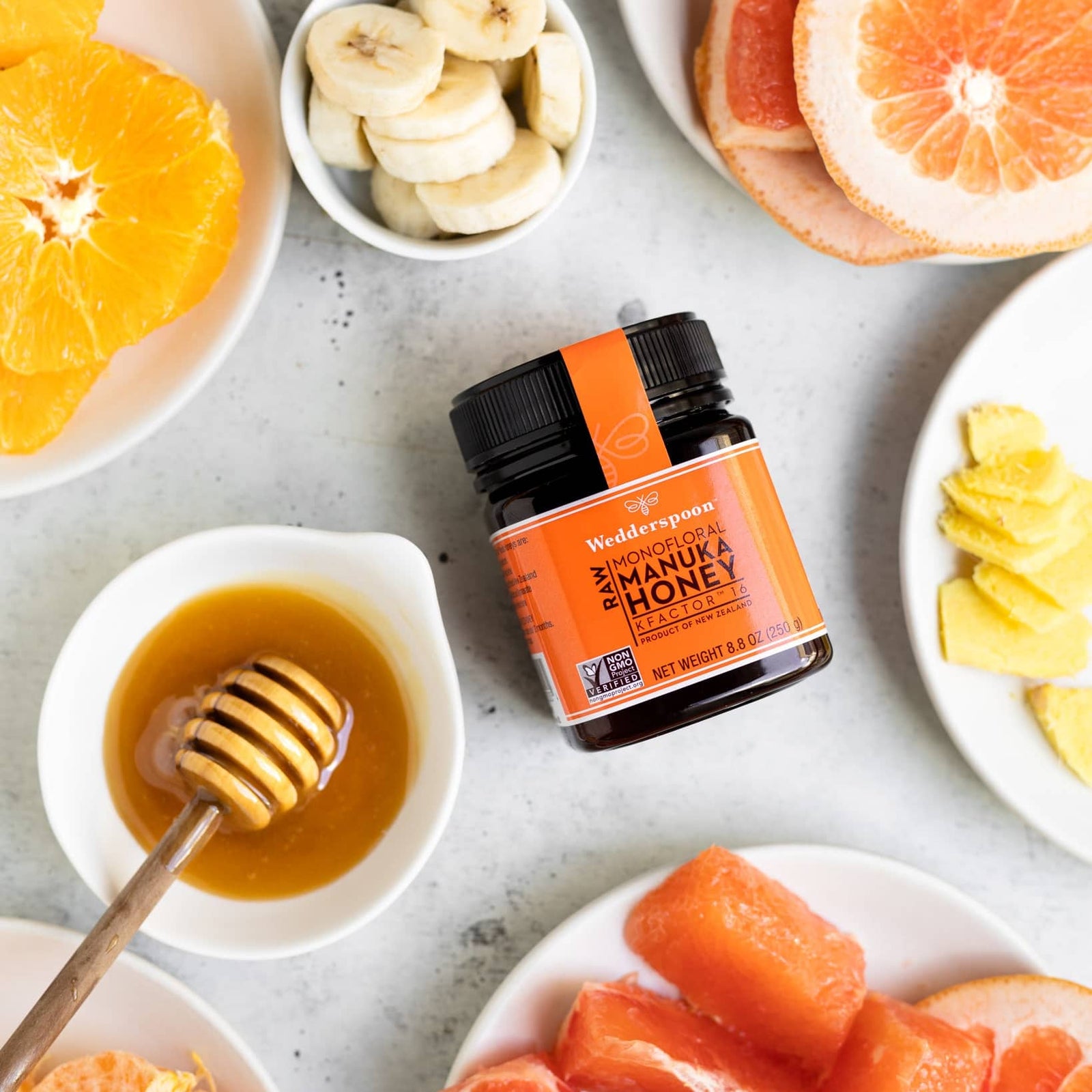
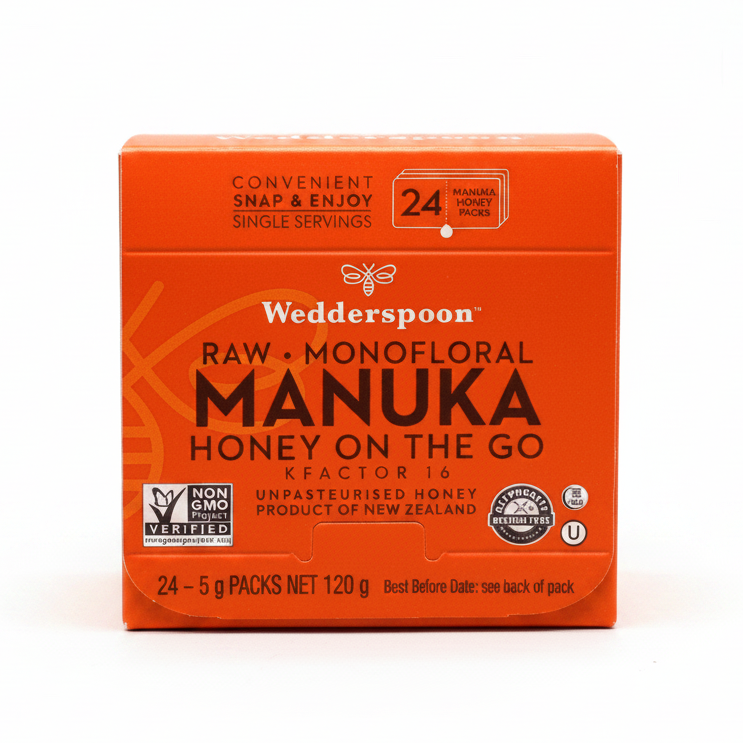
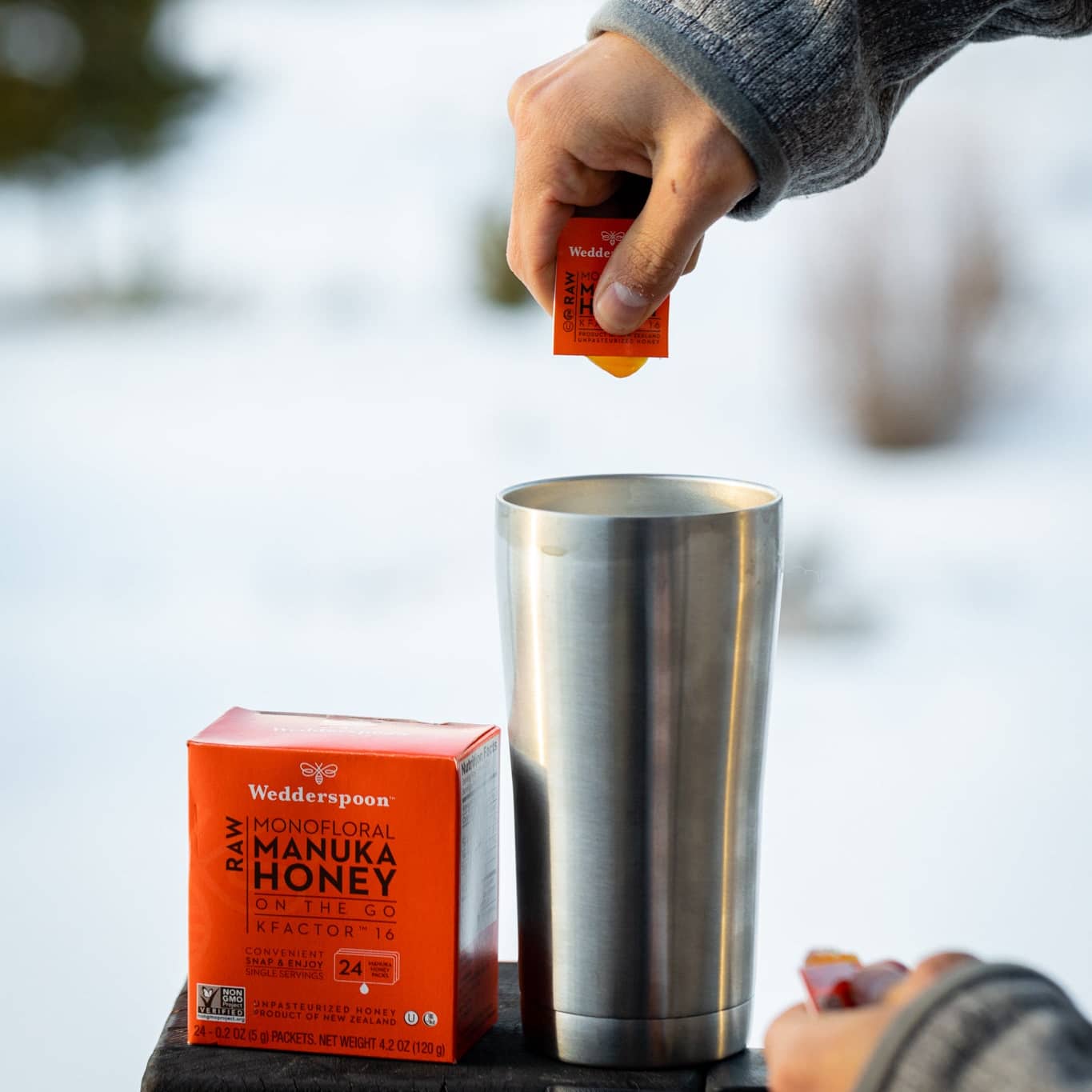
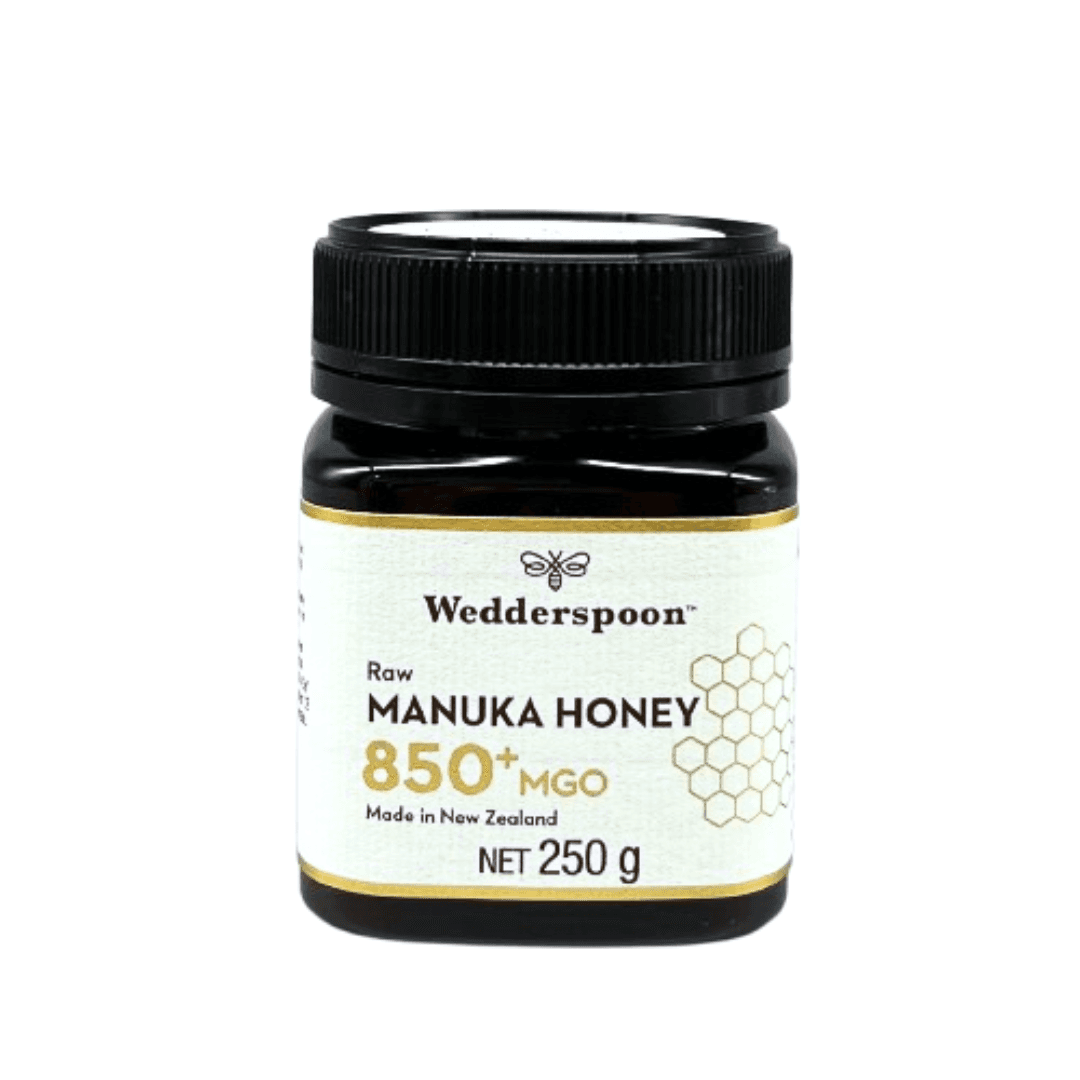
Monofloral Mānuka honey comes mainly from Mānuka flowers, which means a higher concentration of Mānuka pollen, a more distinctive flavour, and a higher price. No honey is ever 100% from a single source, bees simply don't work that way, but "monofloral" means the Mānuka concentration clears a much higher bar. Shop Monofloral Mānuka Honey
How it's tested
New Zealand's Ministry of Primary Industries regulates Mānuka honey testing, checking for specific chemical and DNA markers. Honey that clears the higher bar is classed as monofloral; honey that doesn't is multifloral. Either way, if it's genuinely certified, it's genuine Mānuka honey, just at different concentrations.
Which is right for you?
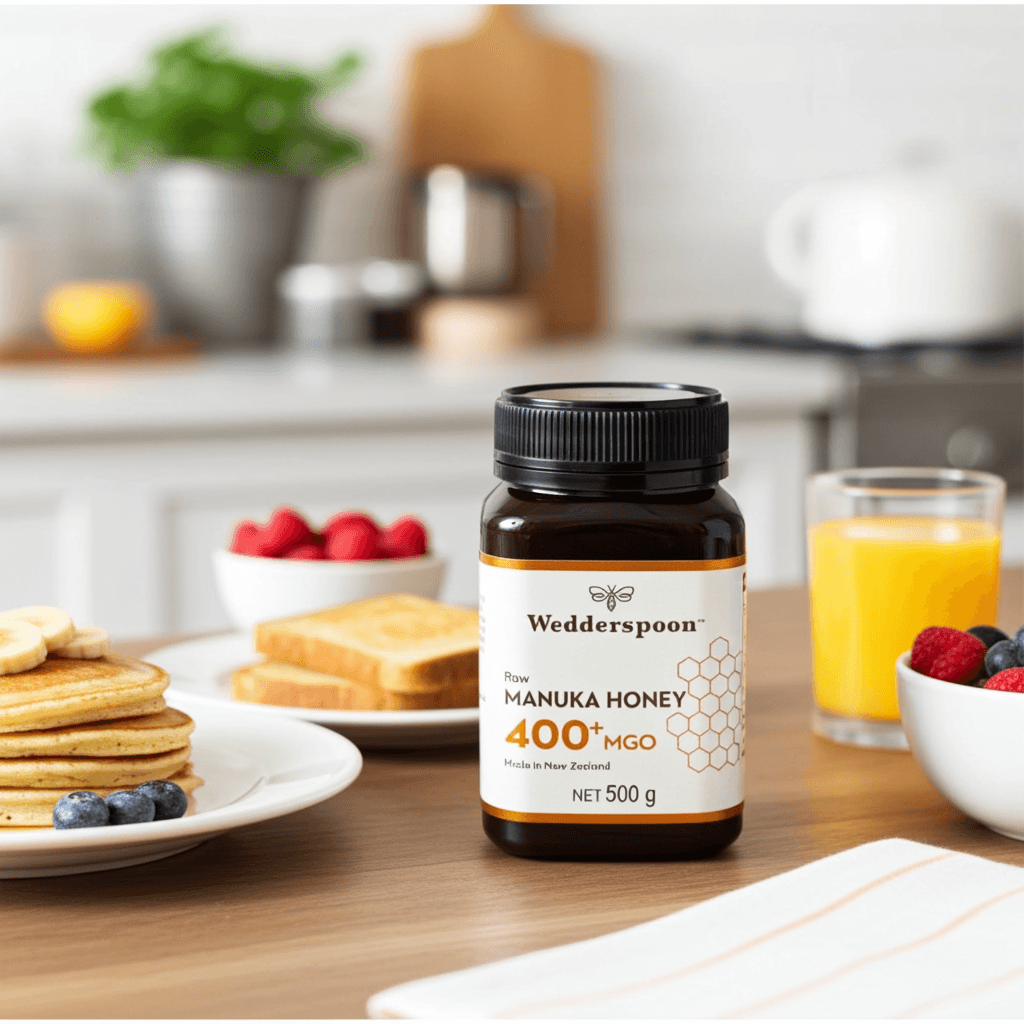
Both types carry Mānuka honey's natural antibacterial and antioxidant properties. If you want an everyday honey for tea, toast or cooking, multifloral is the more affordable choice. If you want the most concentrated version of what makes Mānuka honey distinctive, monofloral is worth the extra cost. Either way, we'd always suggest sticking with reputable, properly certified brands, like our own Wedderspoon range.