Your Cart is Empty



Many of you may wonder how our manuka honey is made, processed and delivered to your door. Today, we are here to solve all the mysteries for you :)
To begin with, Raw and Real Manuka Honey only comes from New Zealand. Bees feed on nectar, and as we all know they turn it into the honey that we know and love! In the winter months though, are left some of the honey (the fruits of their labour from the previous season) for them to consume. Honey is their source of carbohydrate and pollen that gives them the energy to work extremely hard to balance a quality diet. Whilst Bees have the capacity to forage for nectar in multiple plant sources, they normally keep their foraging efforts close to the hive; between 1 and 2 miles away.
The Manuka bushes are a rich source of nectar and in the uncultivated forests where our beekeepers are, it is the primary food source for the harvesting season. The manuka flowers only bloom for a few weeks every year from early January to late February, although harvesting can change every year if there is bad weather in the few weeks leading up to the normal harvesting time. The hive works extra hard throughout those few weeks to make sure they collect as much nectar as possible to turn into delicious honey.

No, we would not.Bees are the most natural overachievers fortunately. They often make significantly more honey than they need. Our New Zealand beekeepers make sure our bees are left enough honey and will be able to stay healthy over the winter. The health of the hives are key to our success of the business and they determine the quality of the manuka honey we produce each year.

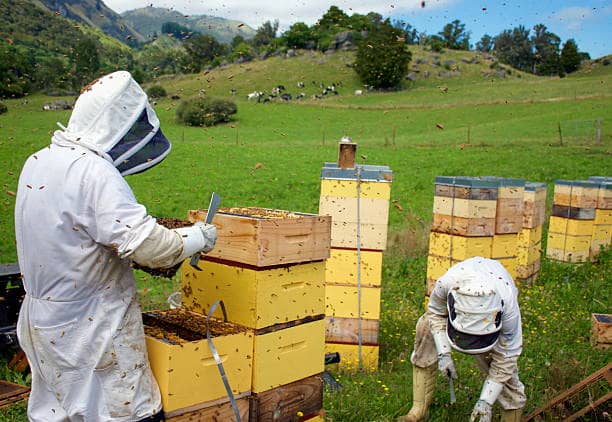
A few puffs of wood smoke from a handheld smoker is all it takes. It is a very traditional way of calming the bees and our beekeepers take out each frame by frame to harvest the manuka honey out of the hives and leave plenty for our beautiful bees to enjoy themselves.
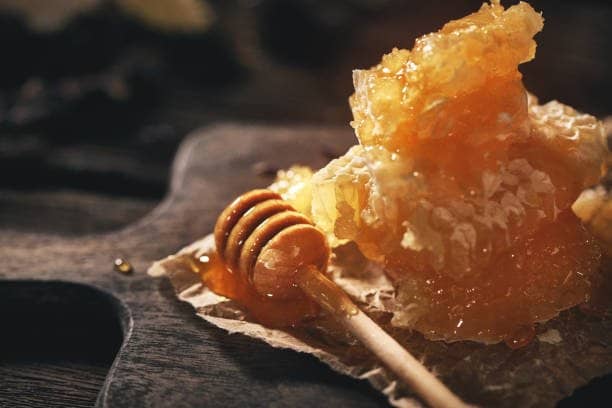
The honeycomb is then opened and the delicious honey is poured into our filtering machine which removes traces of wax from the hive, bits of honey comb, bits of dead bees and other impurities. Some manufacturers like Wedderspoon will double filter their honey to create a really rich, smooth & creamy manuka, but, most manufacturers just filter it once.
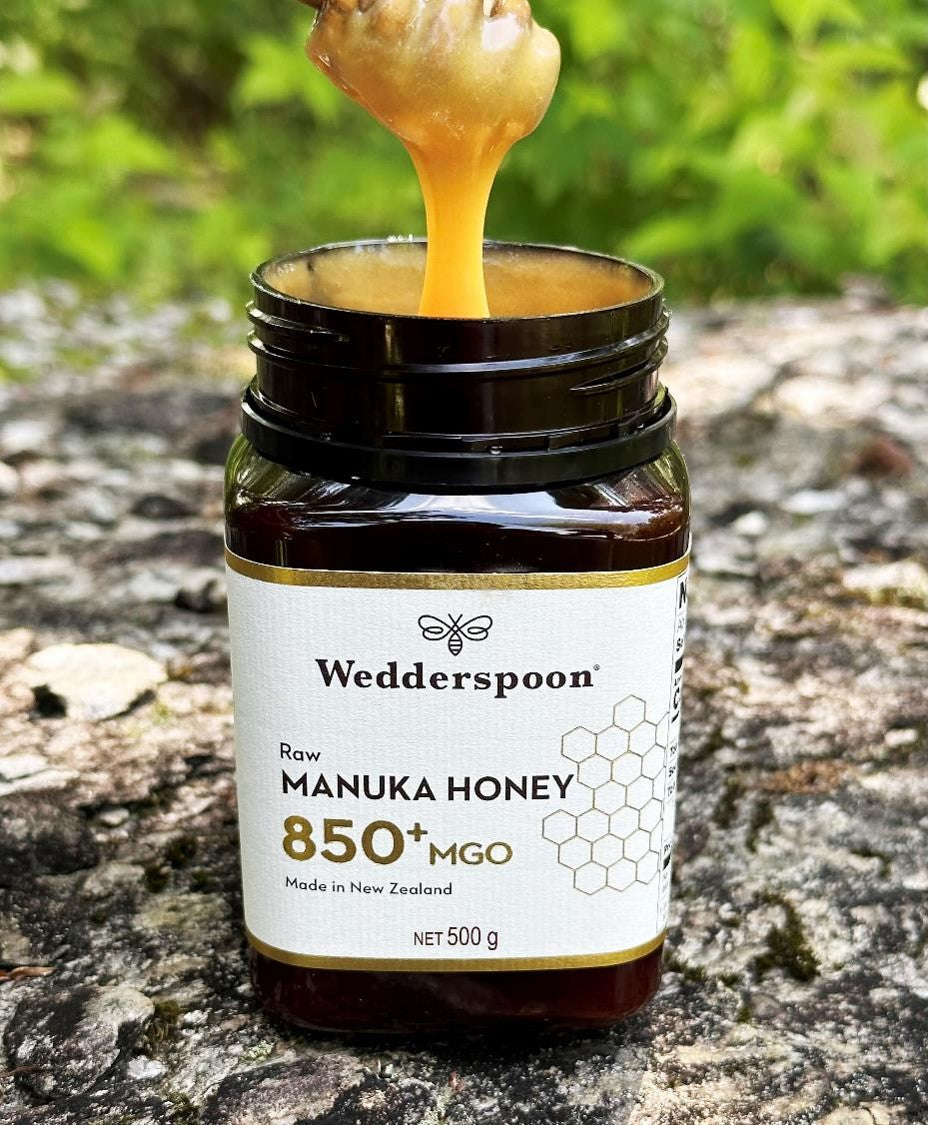
After the filtration cycle, the honey is poured into pots ready for us to enjoy!