Your Cart is Empty
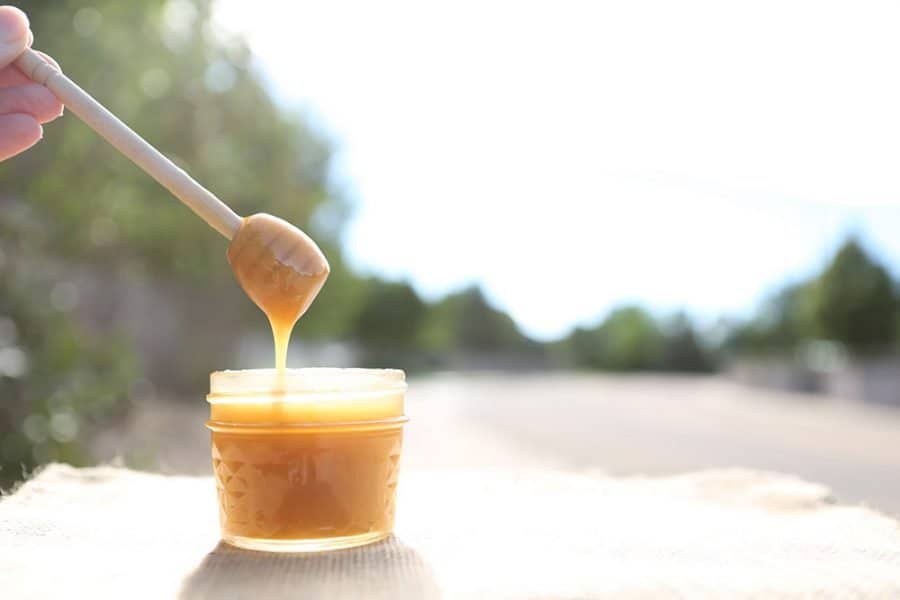

Here's something most people don't know: there's still no official legal definition of "raw honey" in the UK, or in New Zealand, where our honey is actually produced and tested.
"Raw" is generally understood to mean honey that hasn't been heated above the natural temperature of a beehive (roughly 42–45°C) and hasn't been fine-filtered, just enough processing to remove stray bits of honeycomb or bee, nothing more. But because there's no statutory definition in either country, it's genuinely a matter of industry consensus rather than law. In the UK, a February 2024 tribunal ruled in favour of a small honey producer's right to call their minimally processed, unheated honey "raw," the closest thing to a legal benchmark here, though it's a single ruling, not settled law. New Zealand's Ministry for Primary Industries treats "raw" the same way, as a descriptive term rather than a regulated one.
What New Zealand does regulate strictly is genuine Mānuka authenticity itself, honey has to meet specific chemical and DNA pollen-marker tests to legally be called Mānuka at all, regardless of whether it's raw. That's a real, enforced standard, even though "raw" isn't.
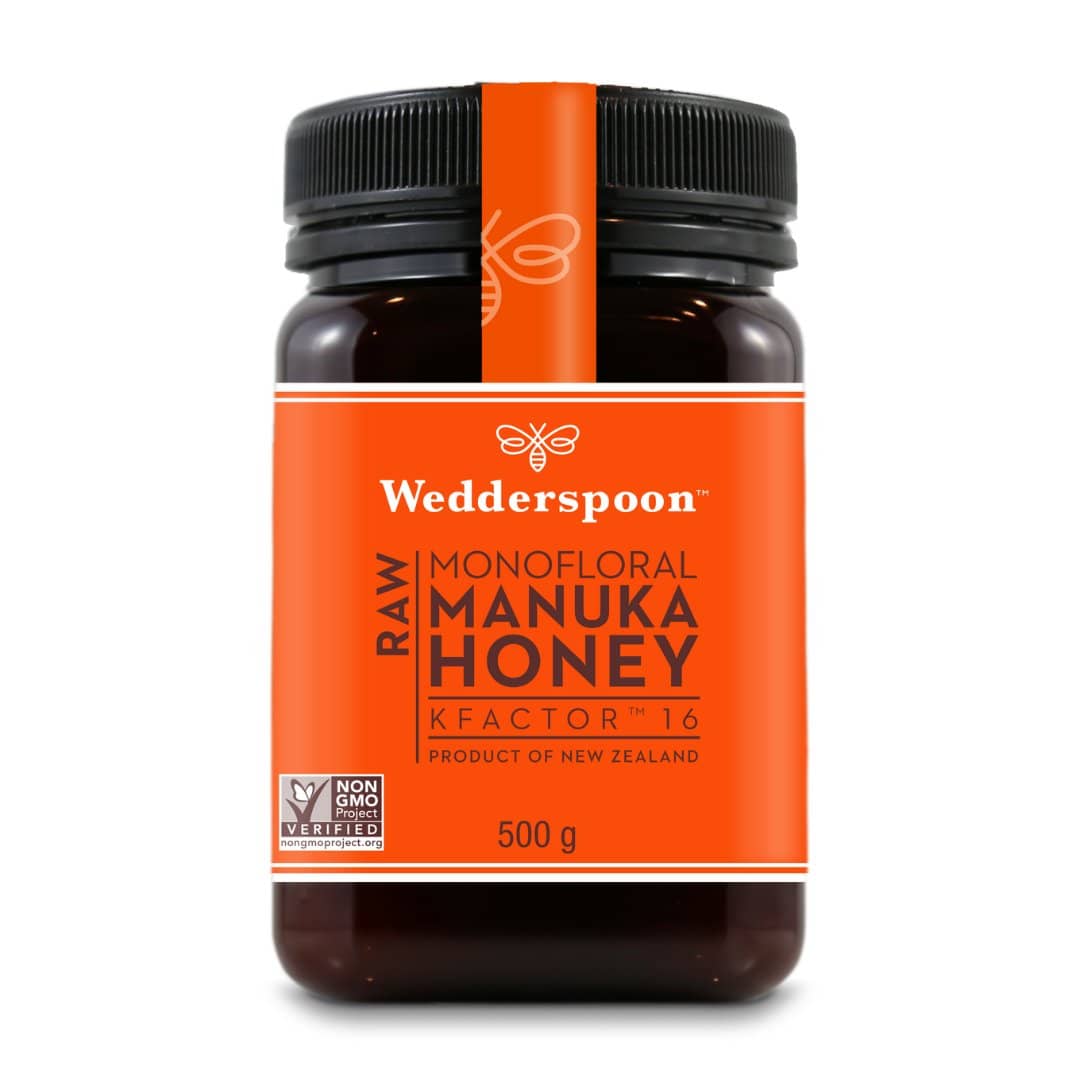
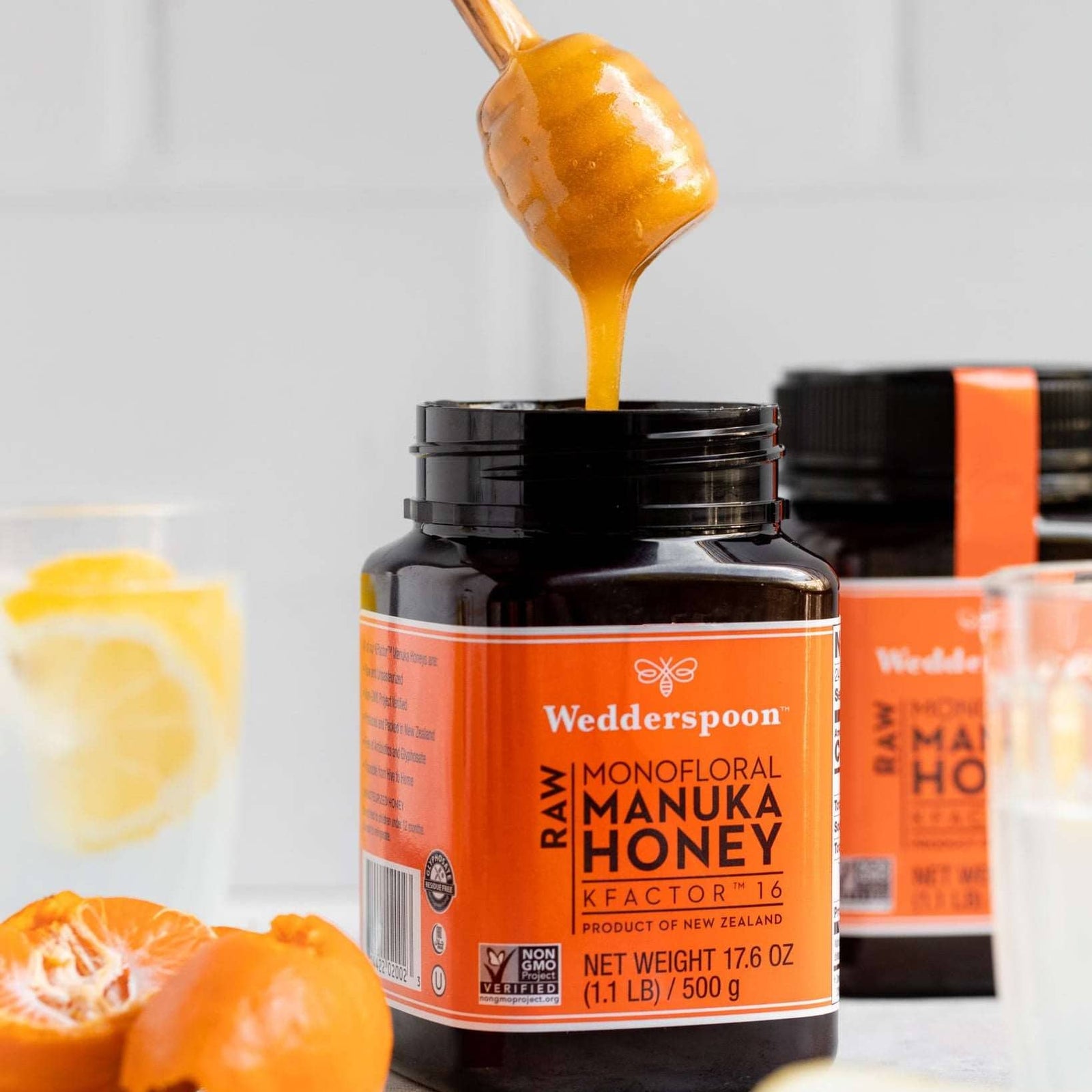
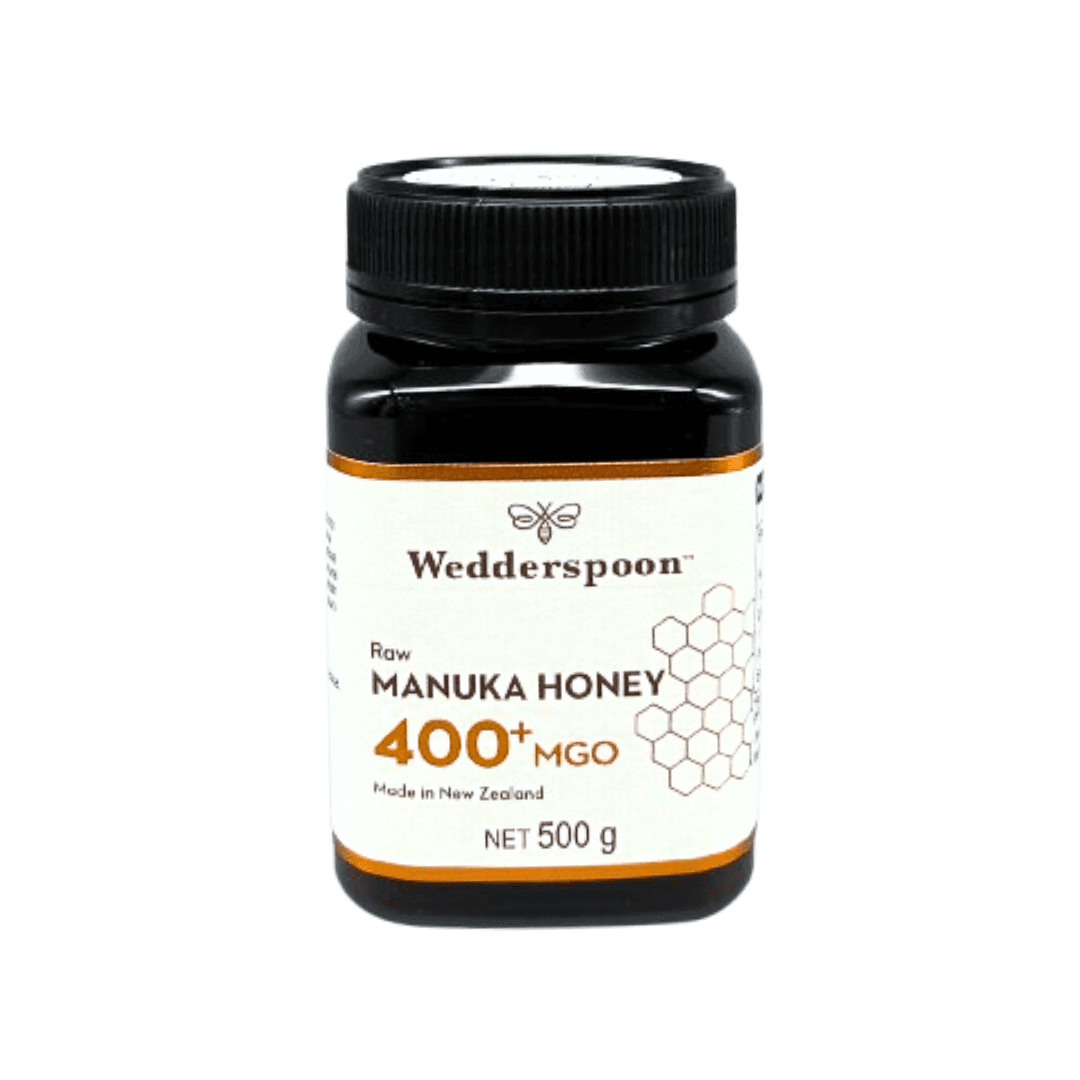
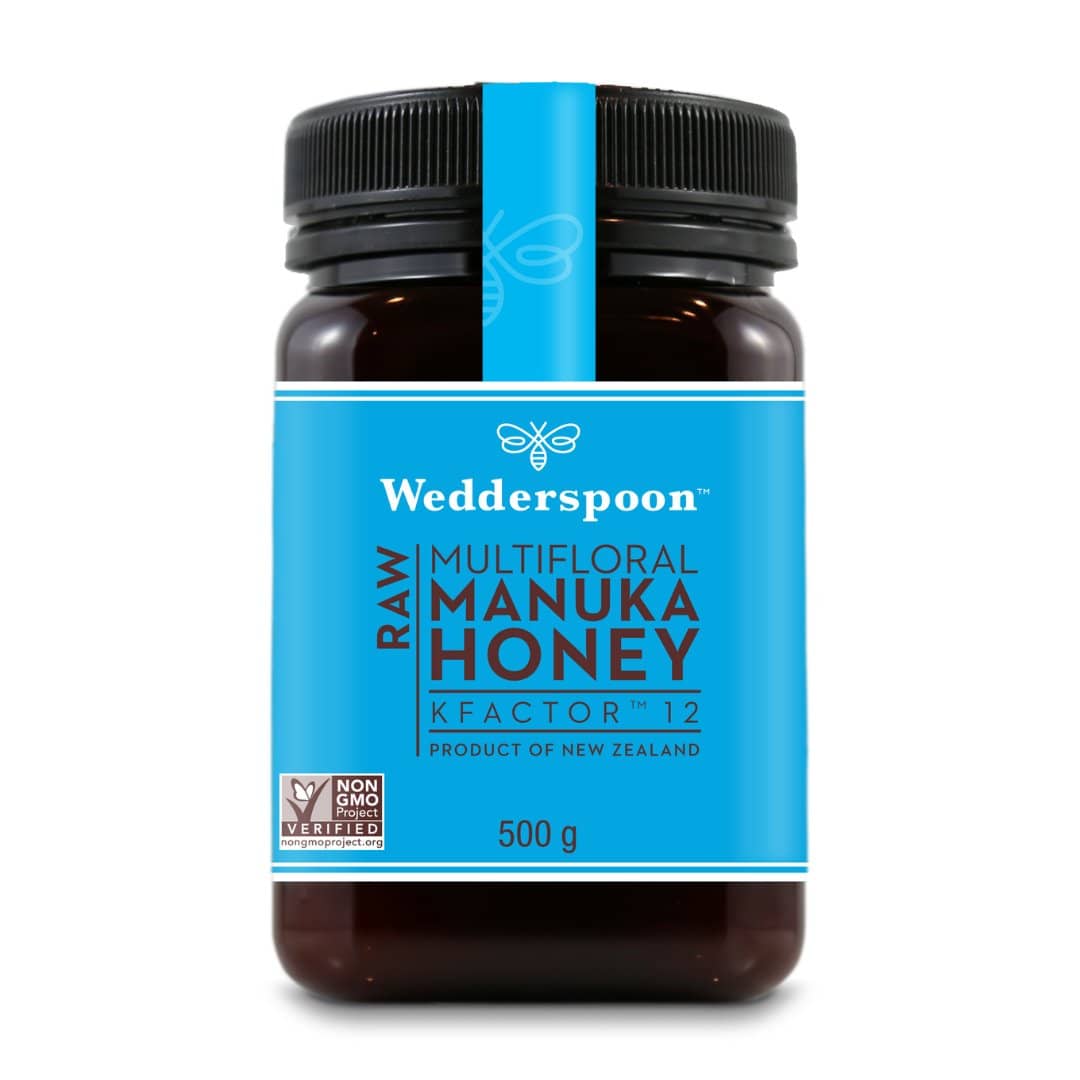
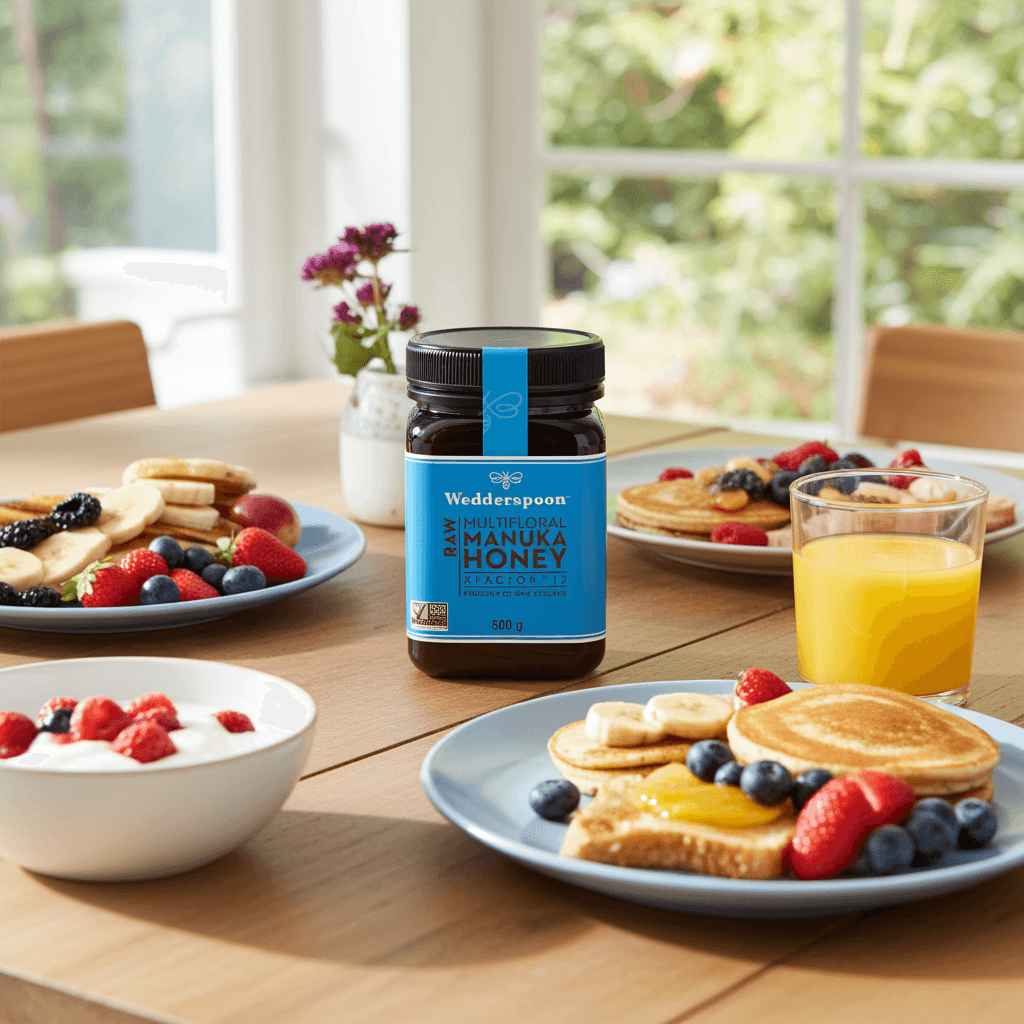
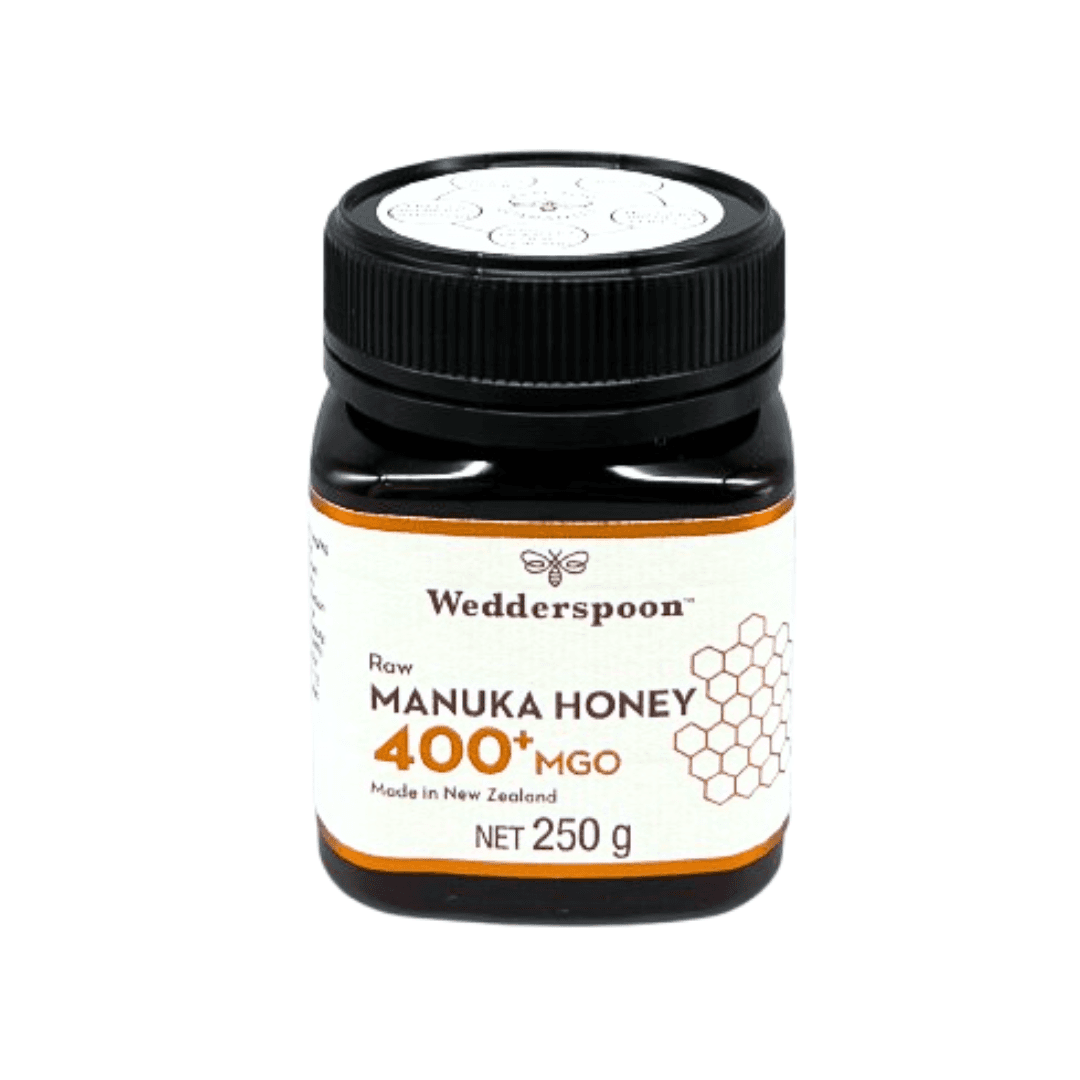
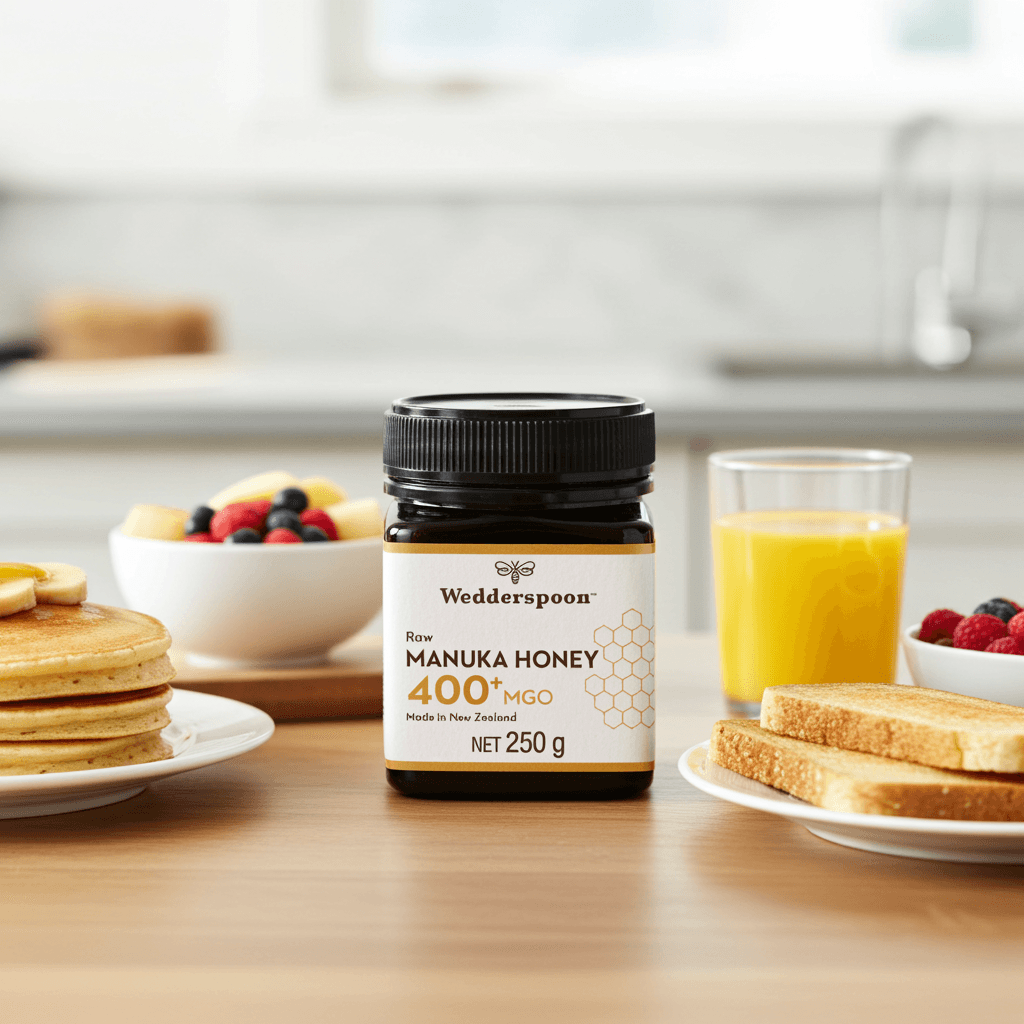
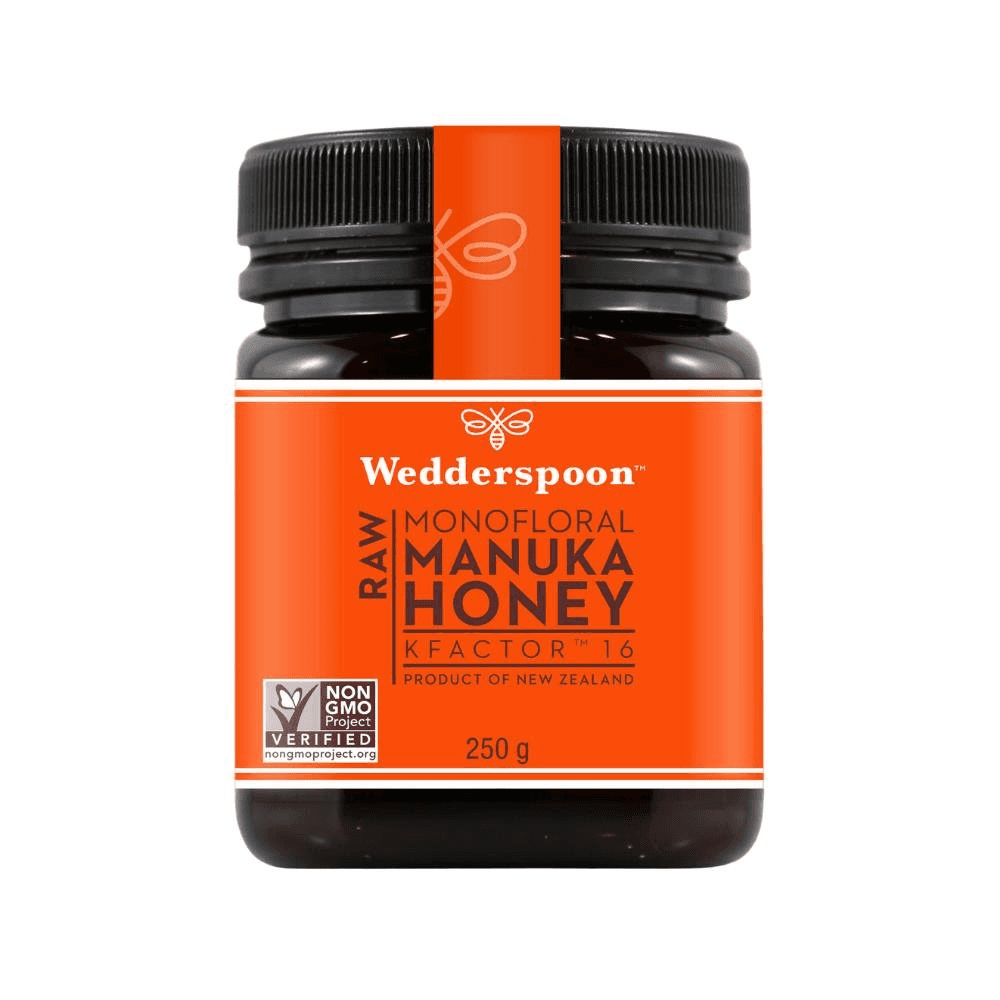
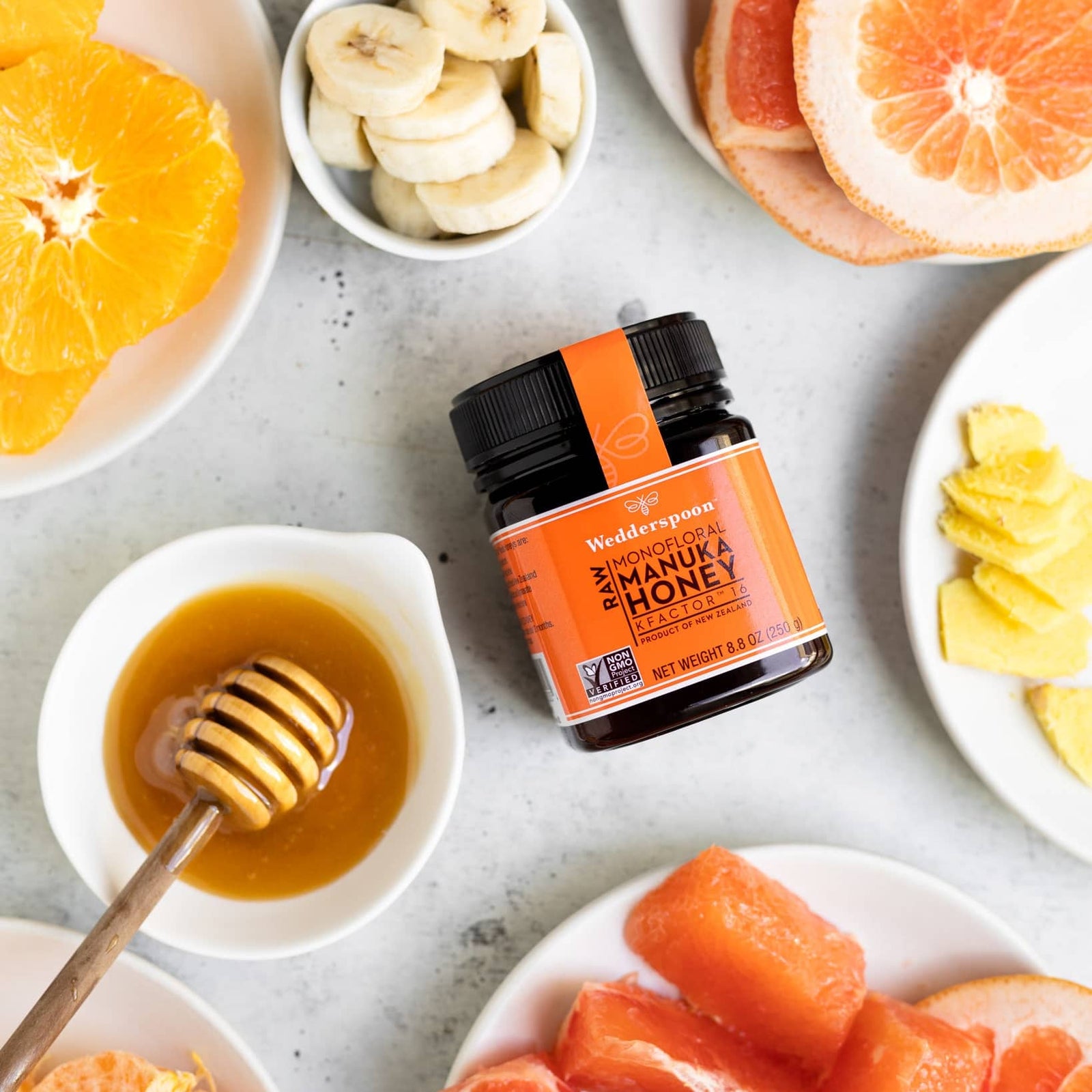
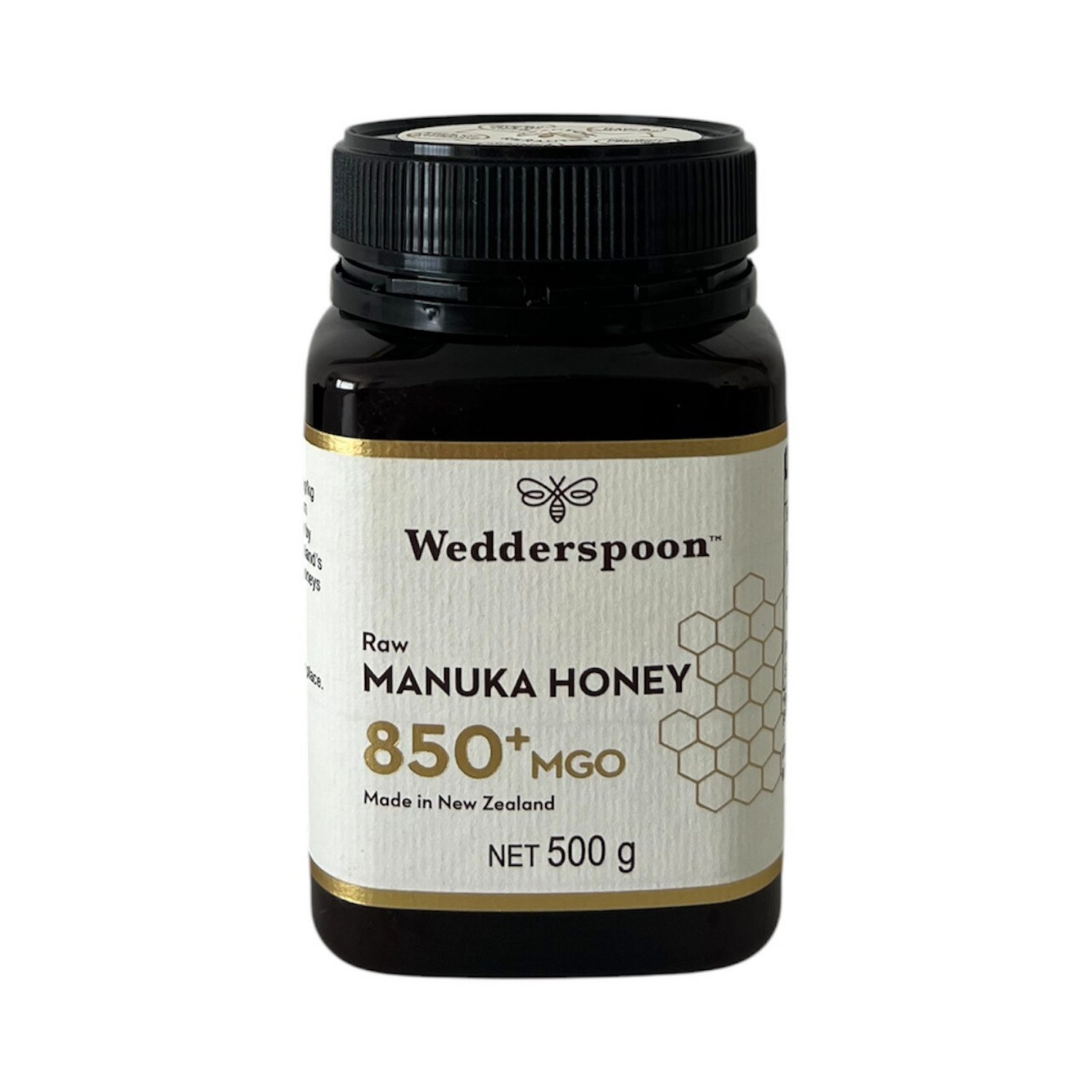
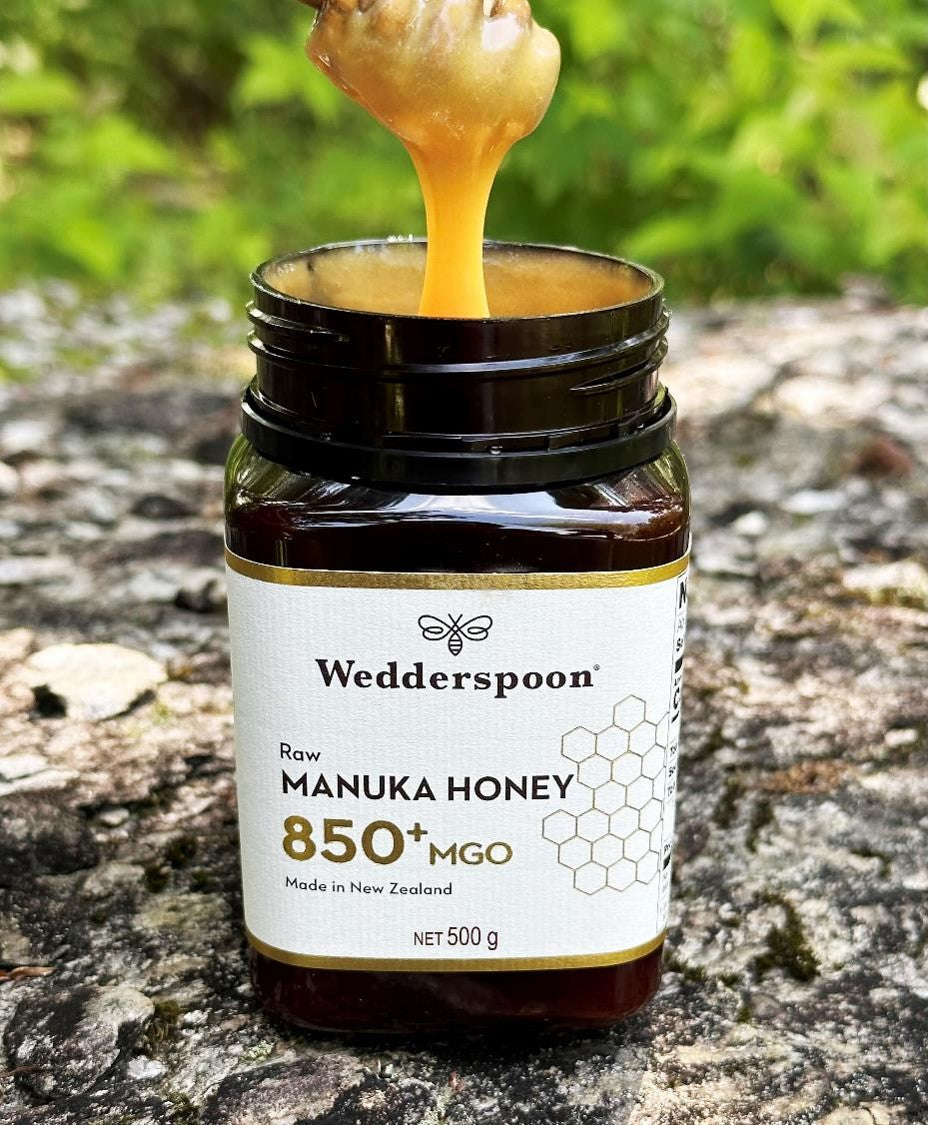
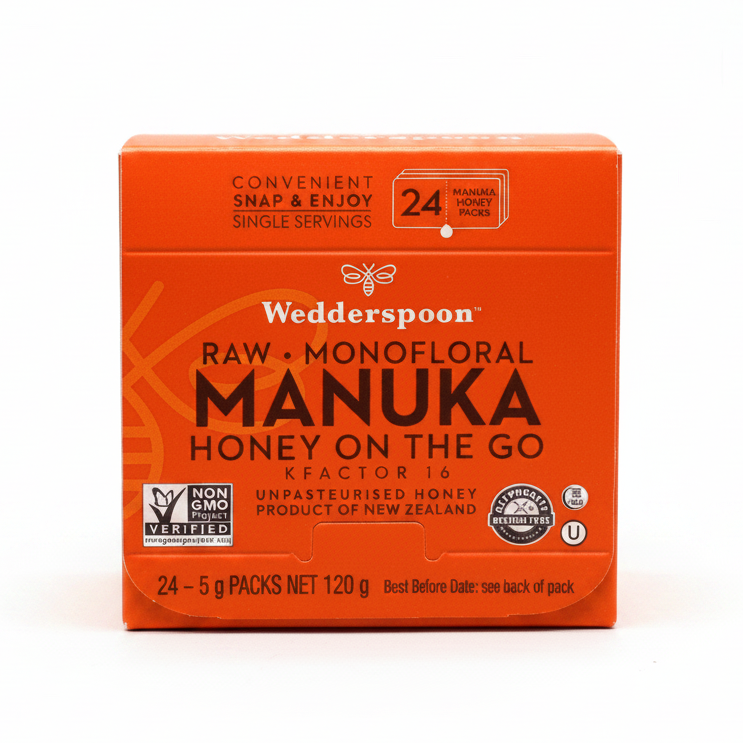
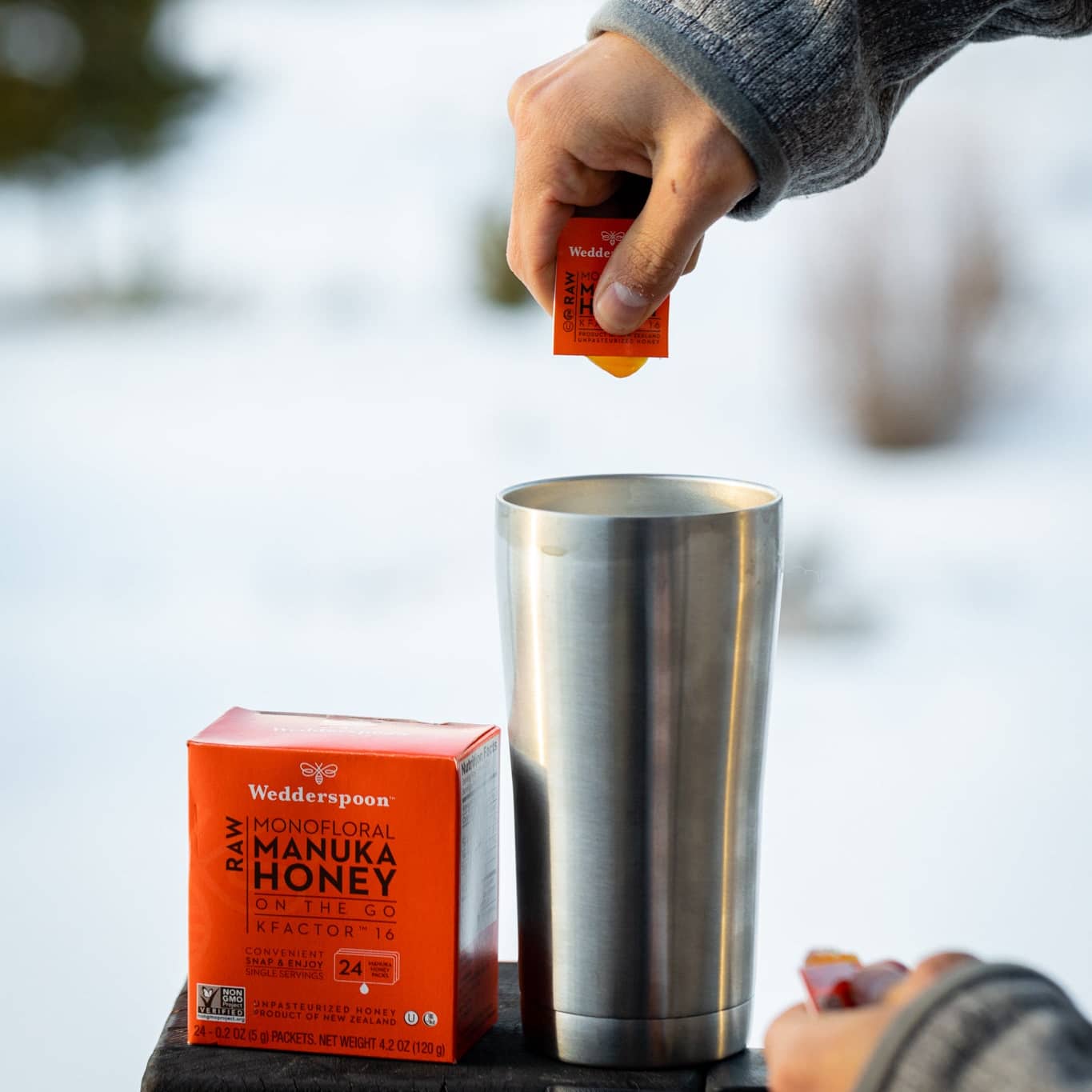
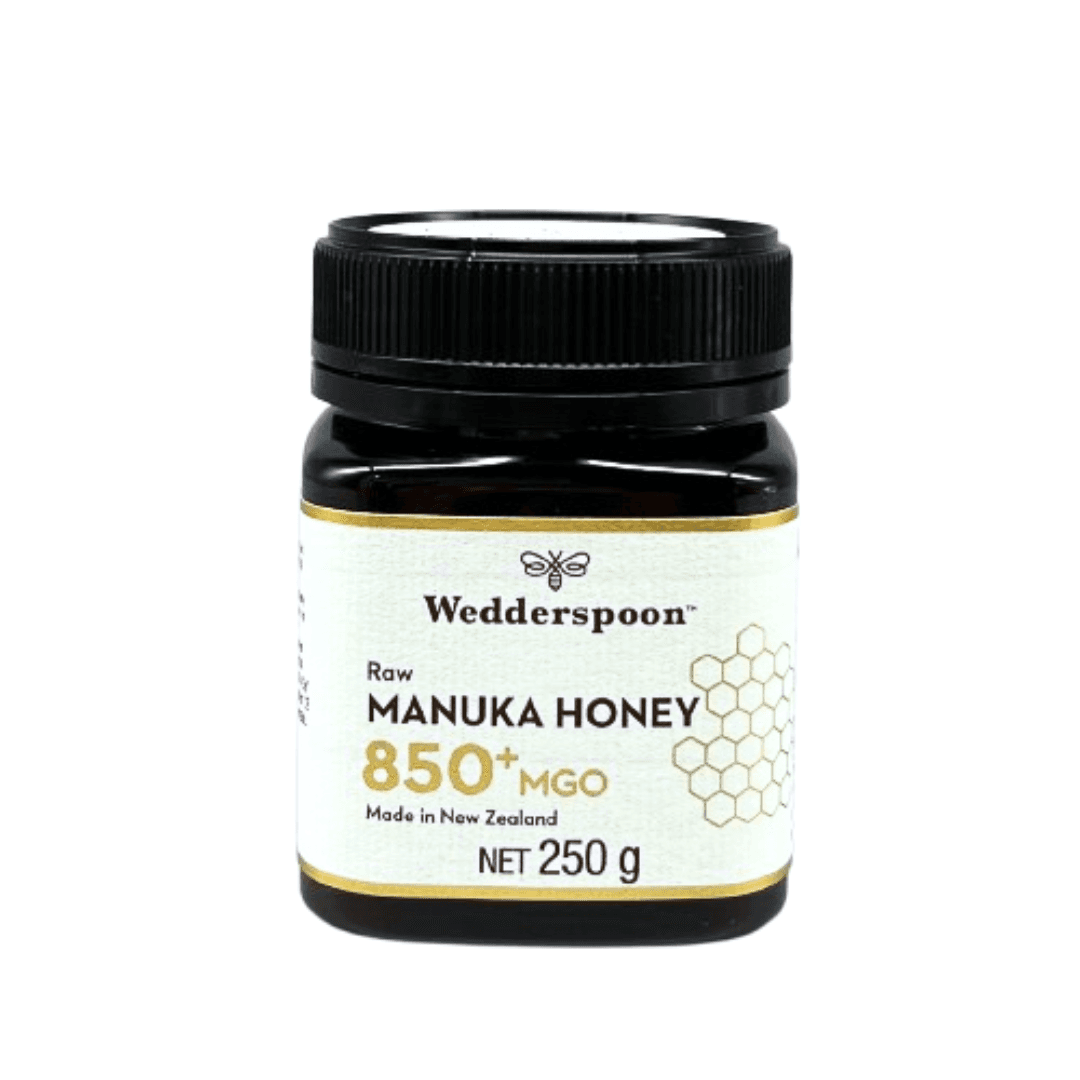
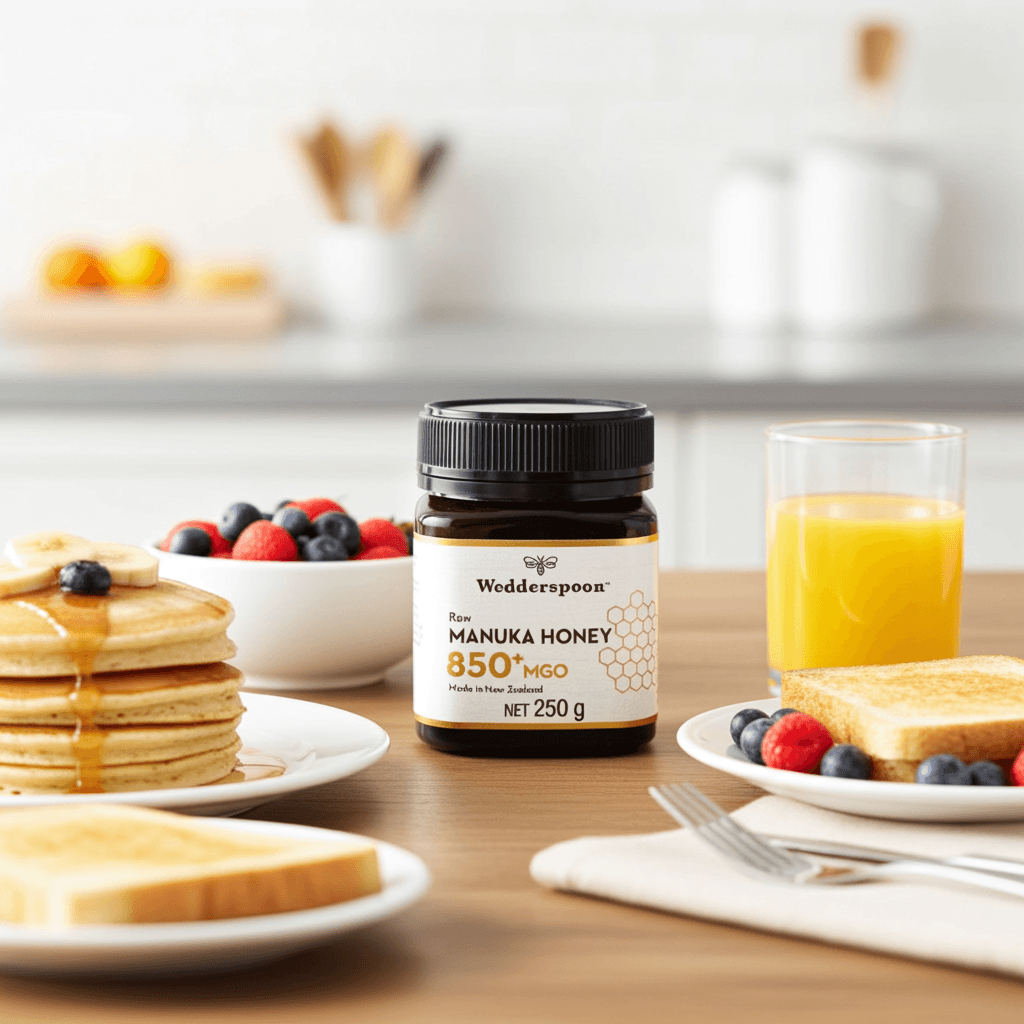
At Mānuka Honey Direct, Wedderspoon is the only brand in our range we can genuinely call raw, it's unheated and unpasteurised, which is part of why it keeps its natural enzymes intact, and it's independently tested in New Zealand to confirm it's genuinely Mānuka too.
Shop Raw Wedderspoon Mānuka Honey
Want to know what raw honey is actually good for? See our companion piece, Raw Honey, Honestly: What Actually Makes It Different.