Your Cart is Empty

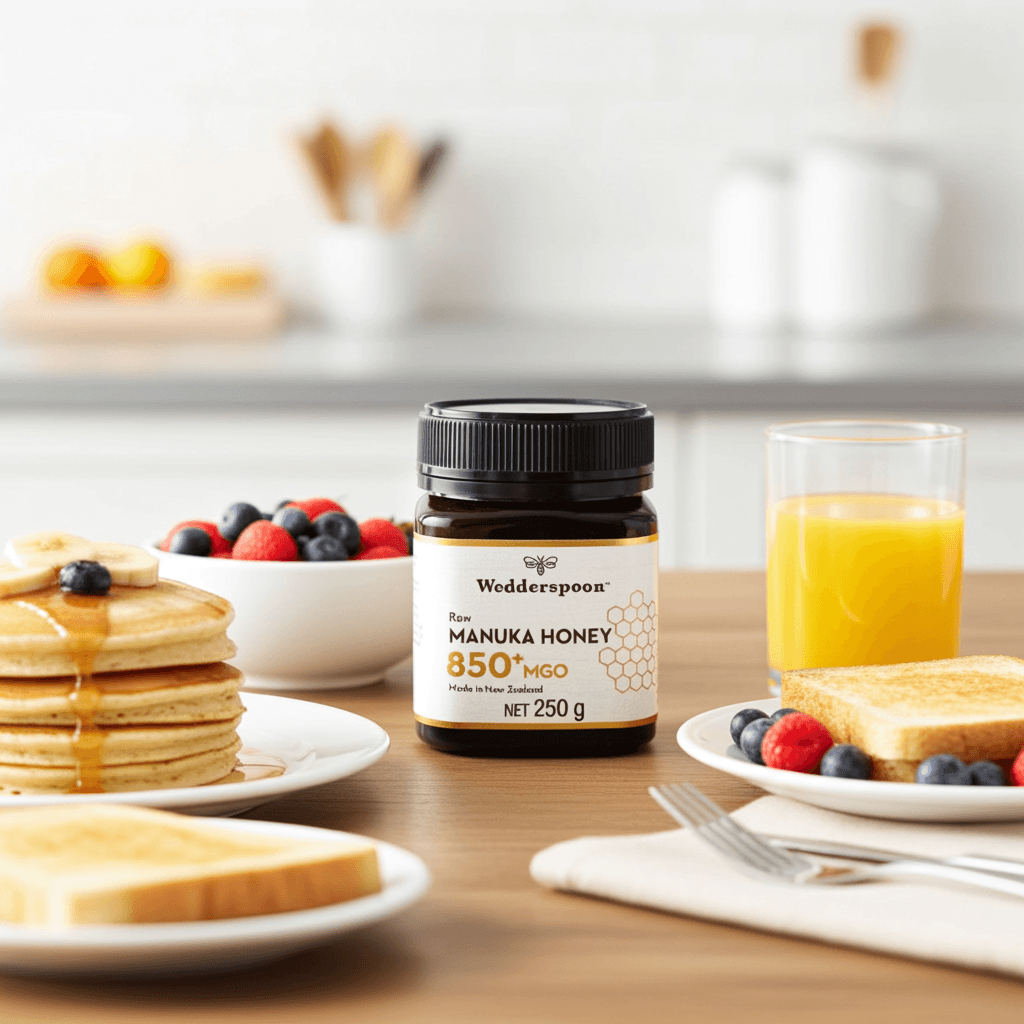
Mānuka honey is graded for potency in a couple of different ways, and it's genuinely useful to understand both before you buy, especially since our own Wedderspoon range now includes both.
Why test Mānuka honey at all?
Testing exists to confirm authenticity and quality, so that what you're buying is genuinely, provably Mānuka honey, at the strength stated on the label.
KFactor
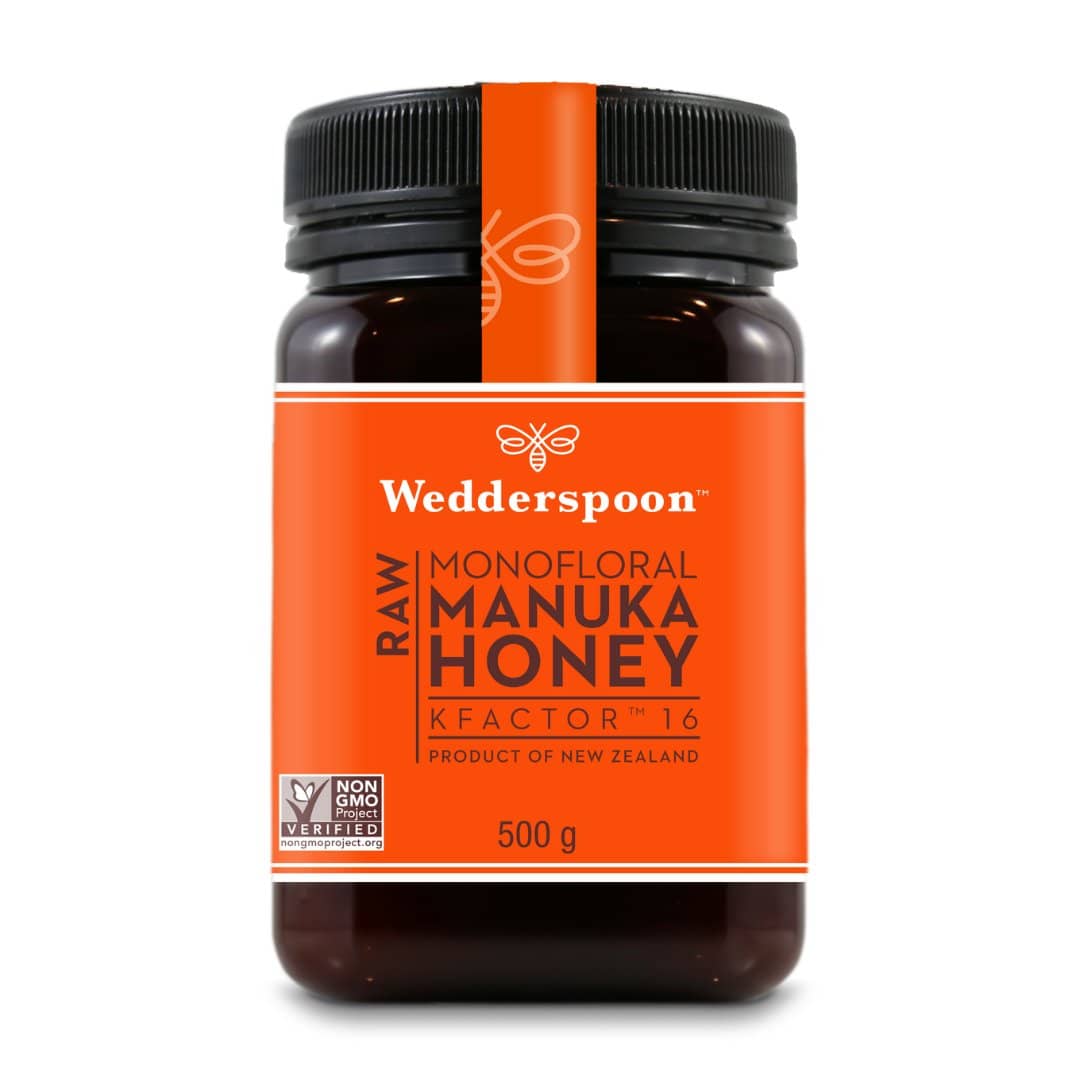
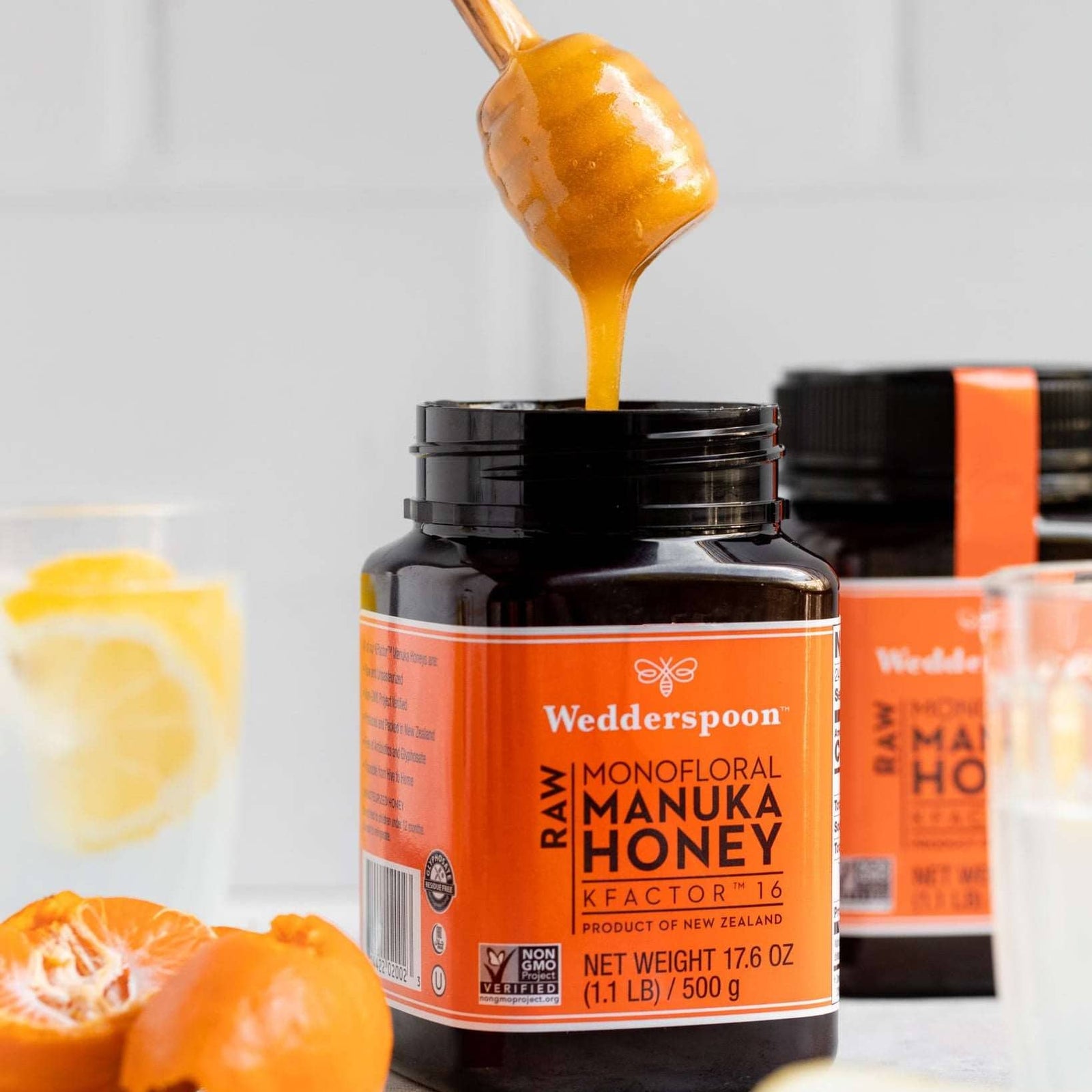
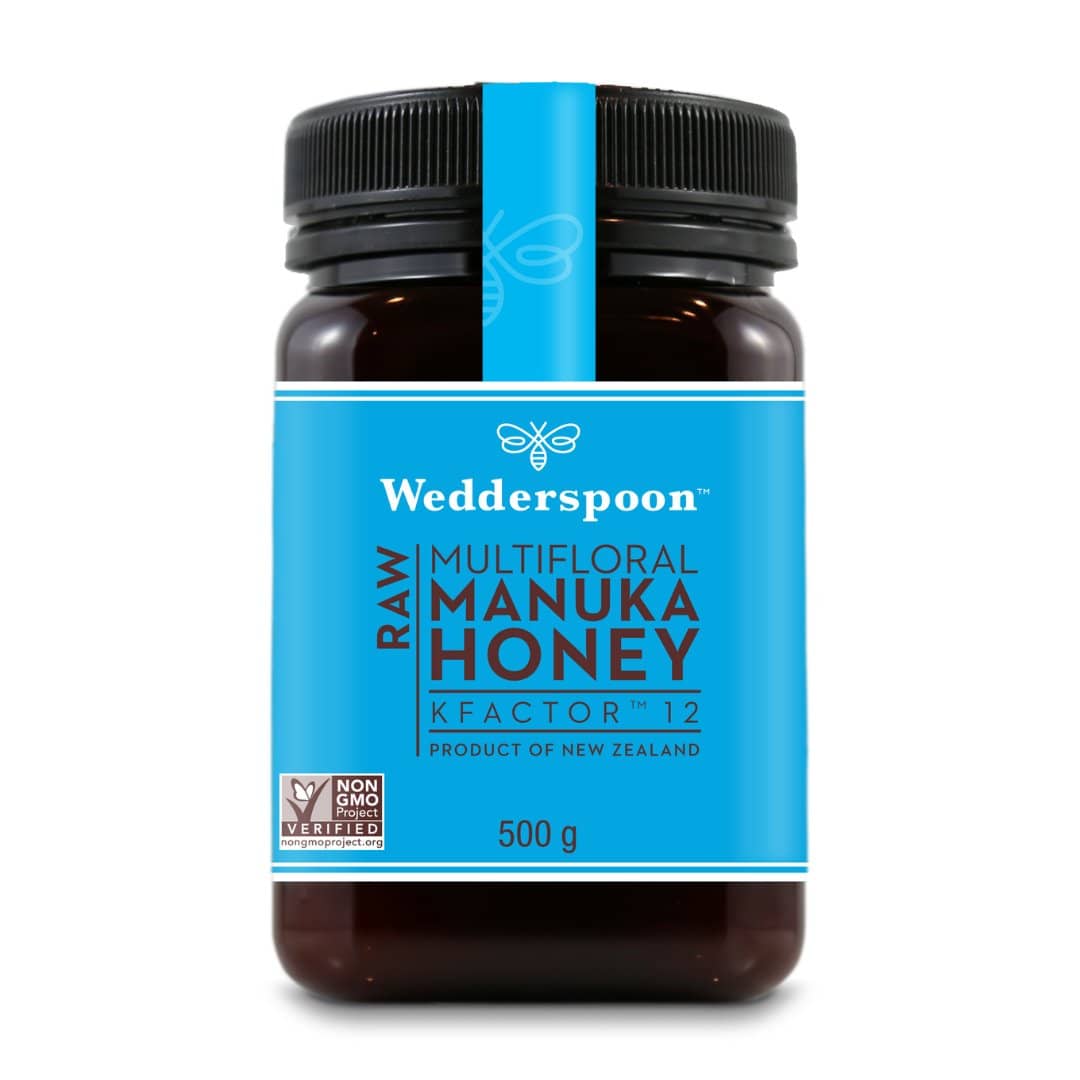
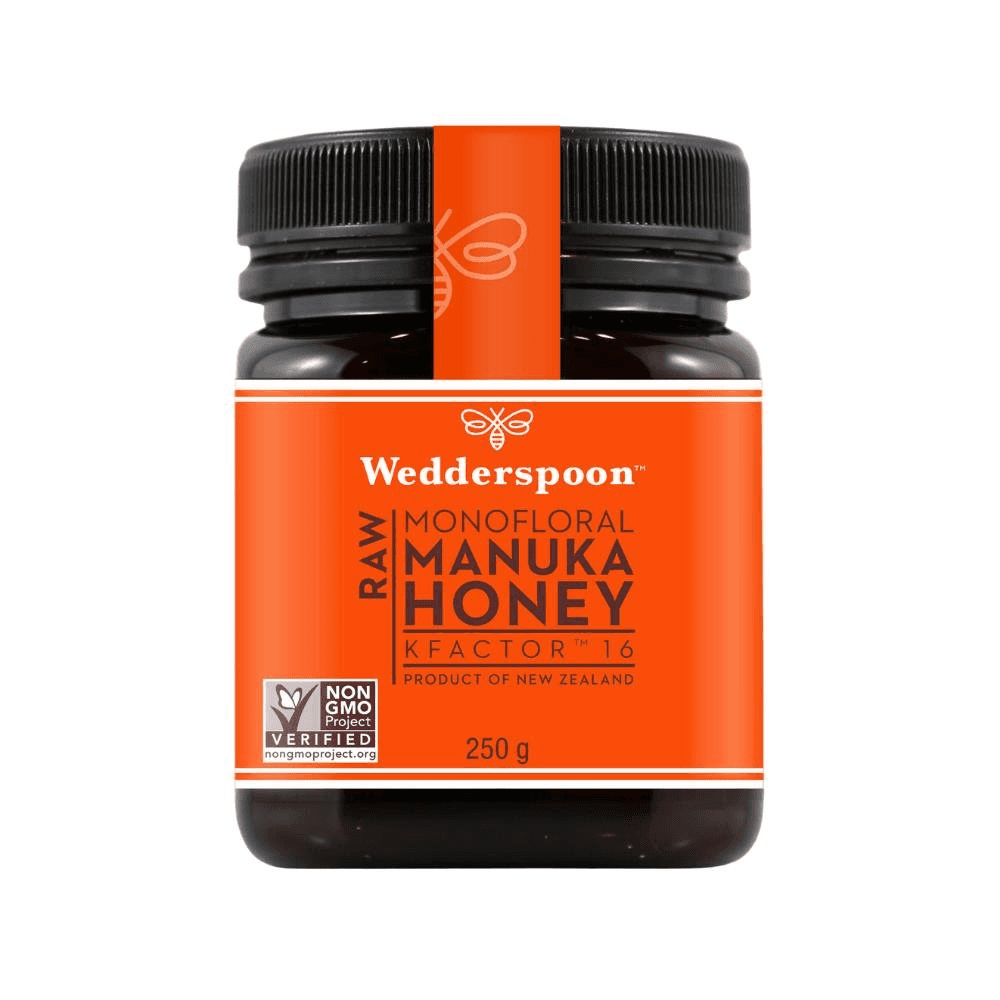
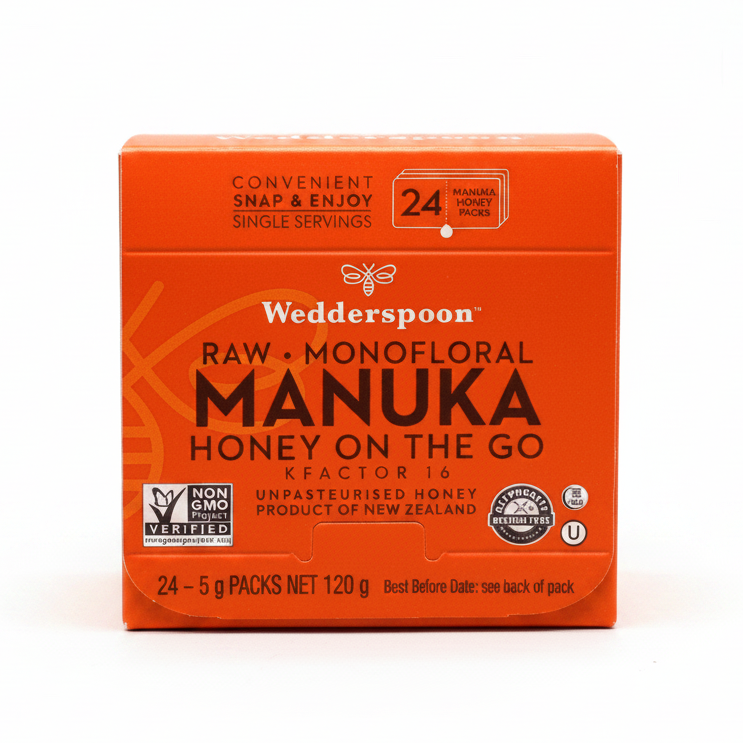
KFactor measures the concentration of Mānuka pollen in the honey. It's a proprietary system, produced without heat treatment, so the honey keeps its natural enzymes intact. Our Wedderspoon range spans KFactor 12 (a minimum of 65% Mānuka pollen) up to KFactor 16 (a minimum of 75%).
MGO
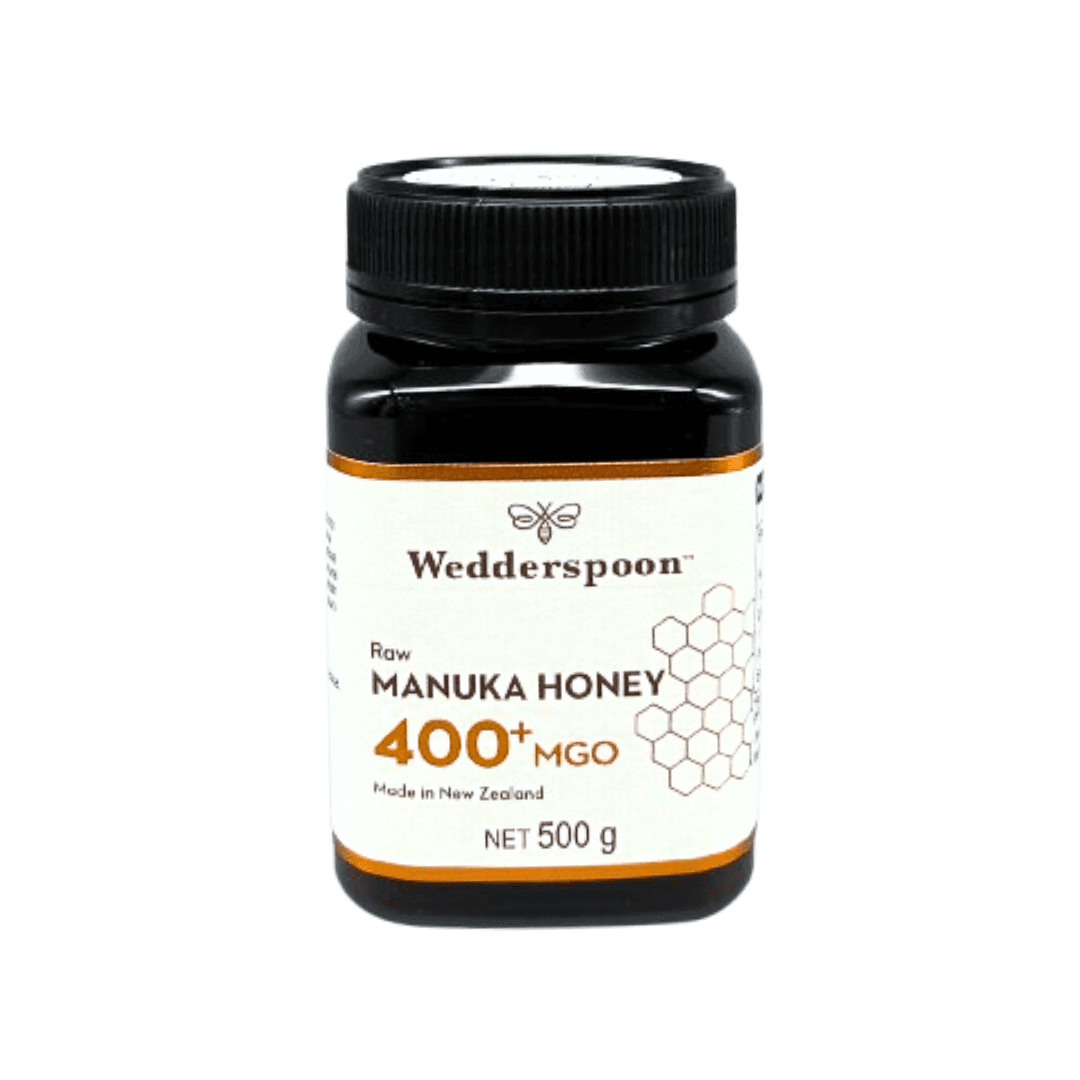
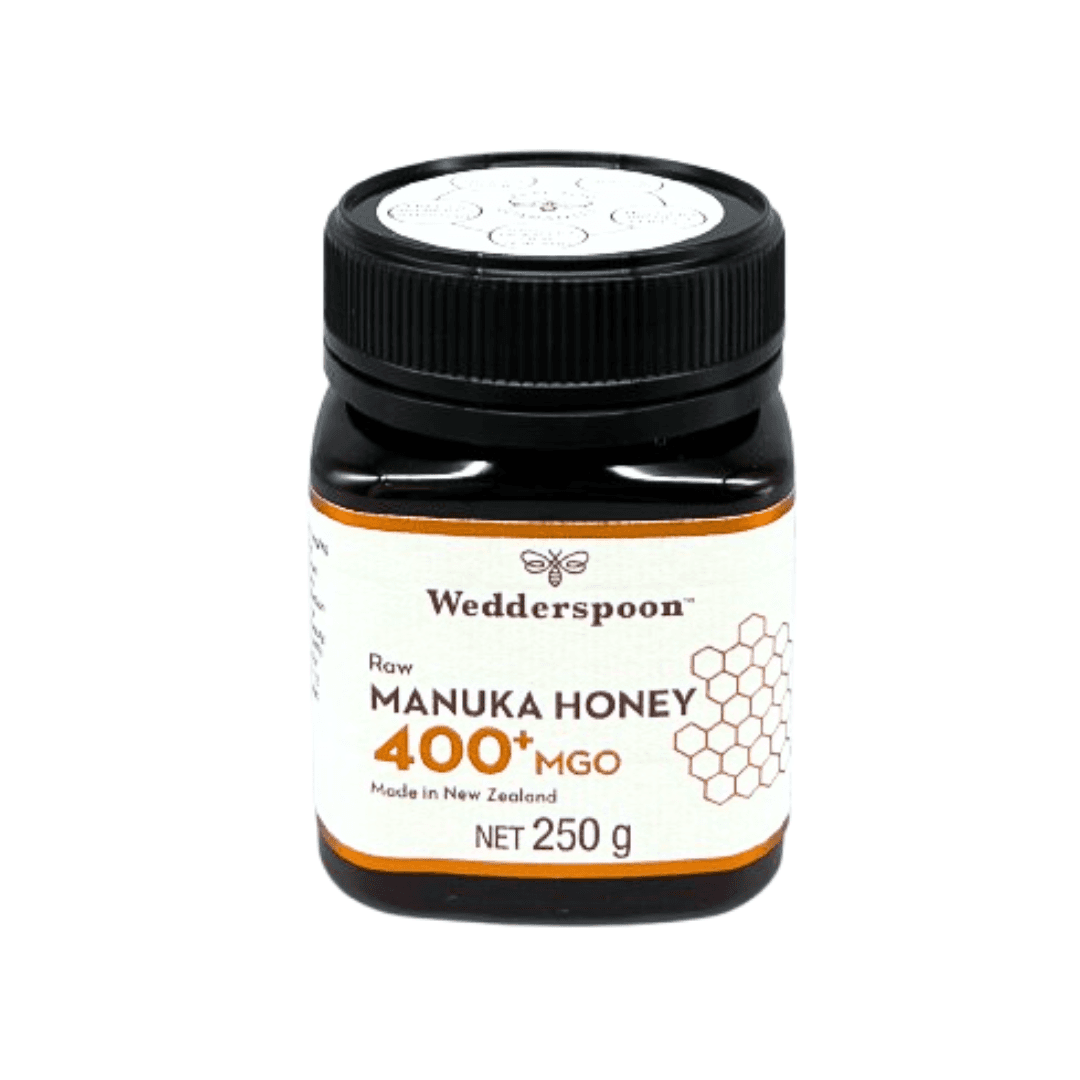
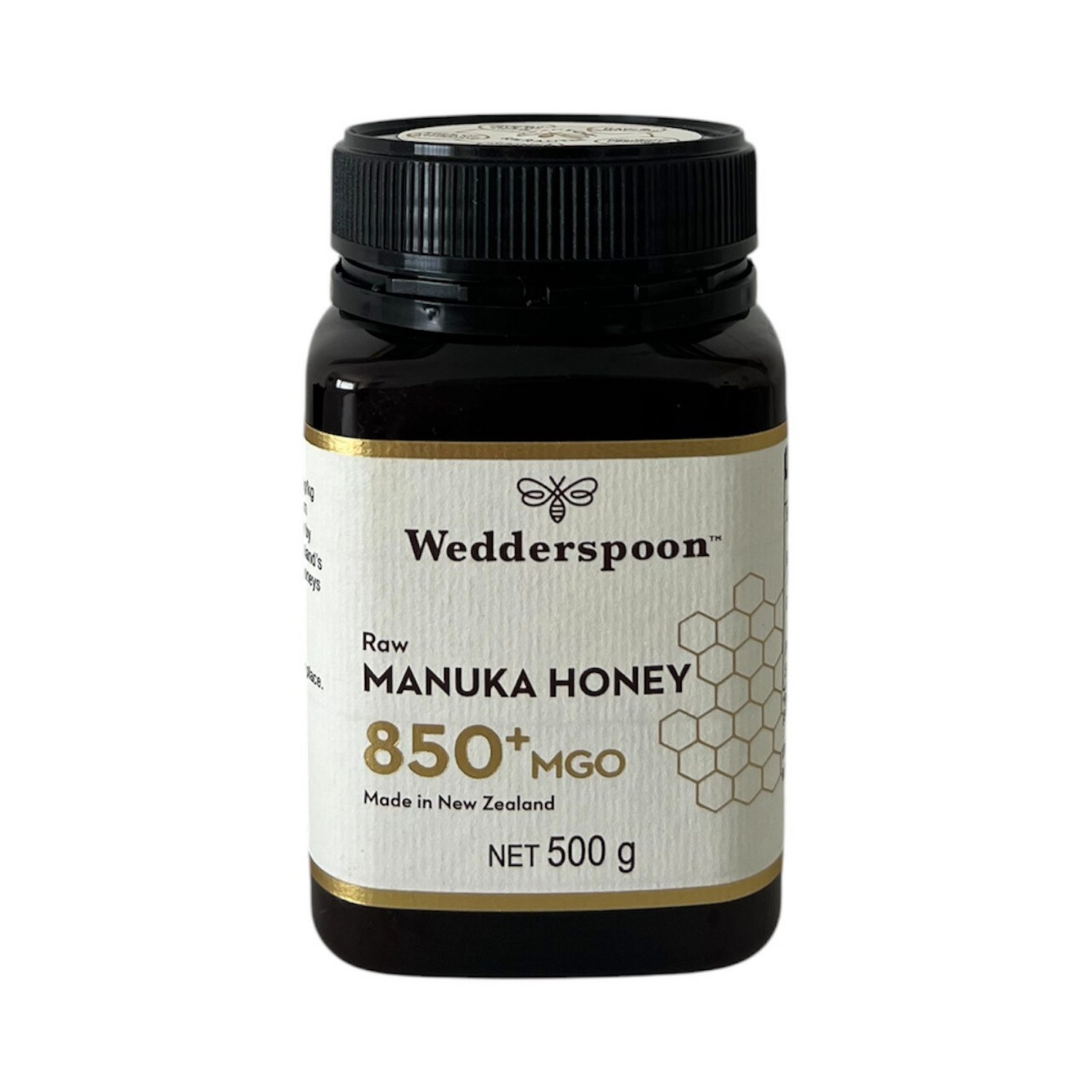
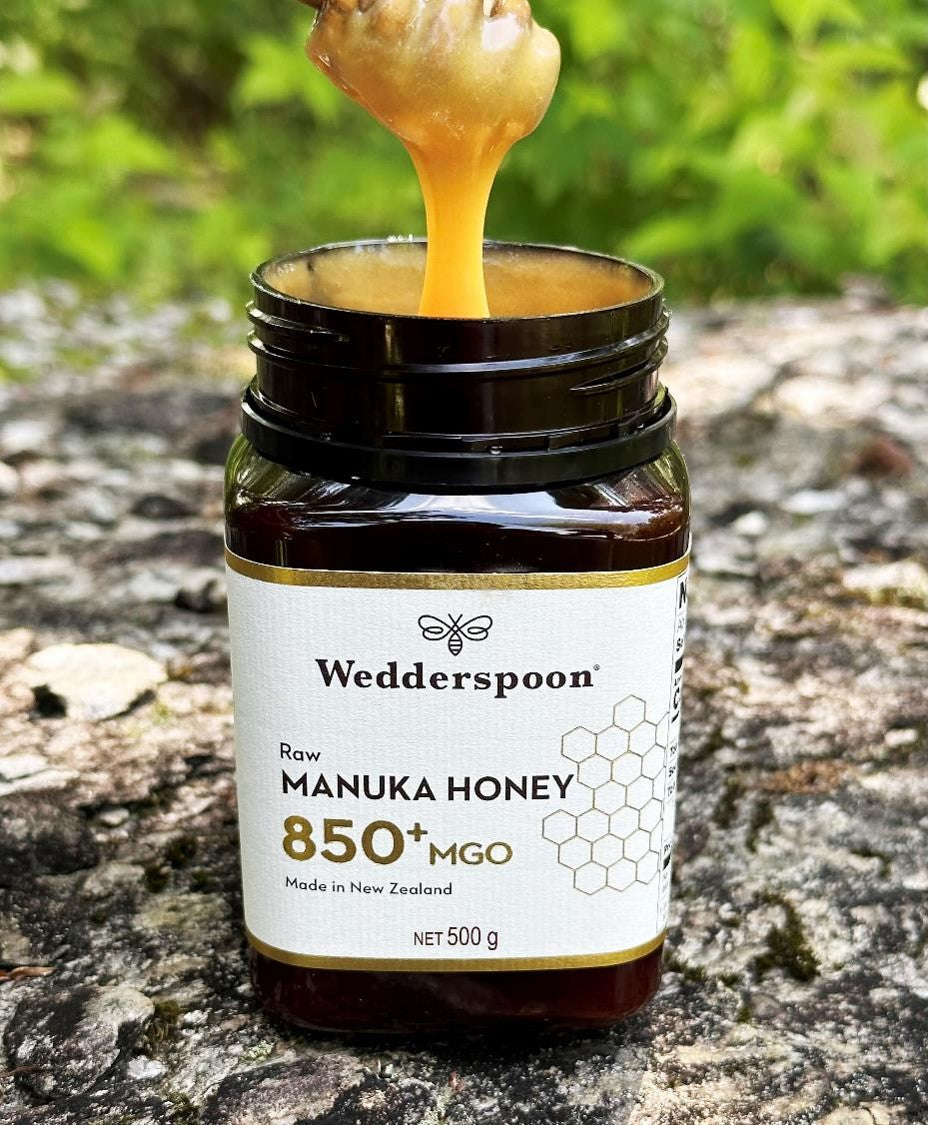
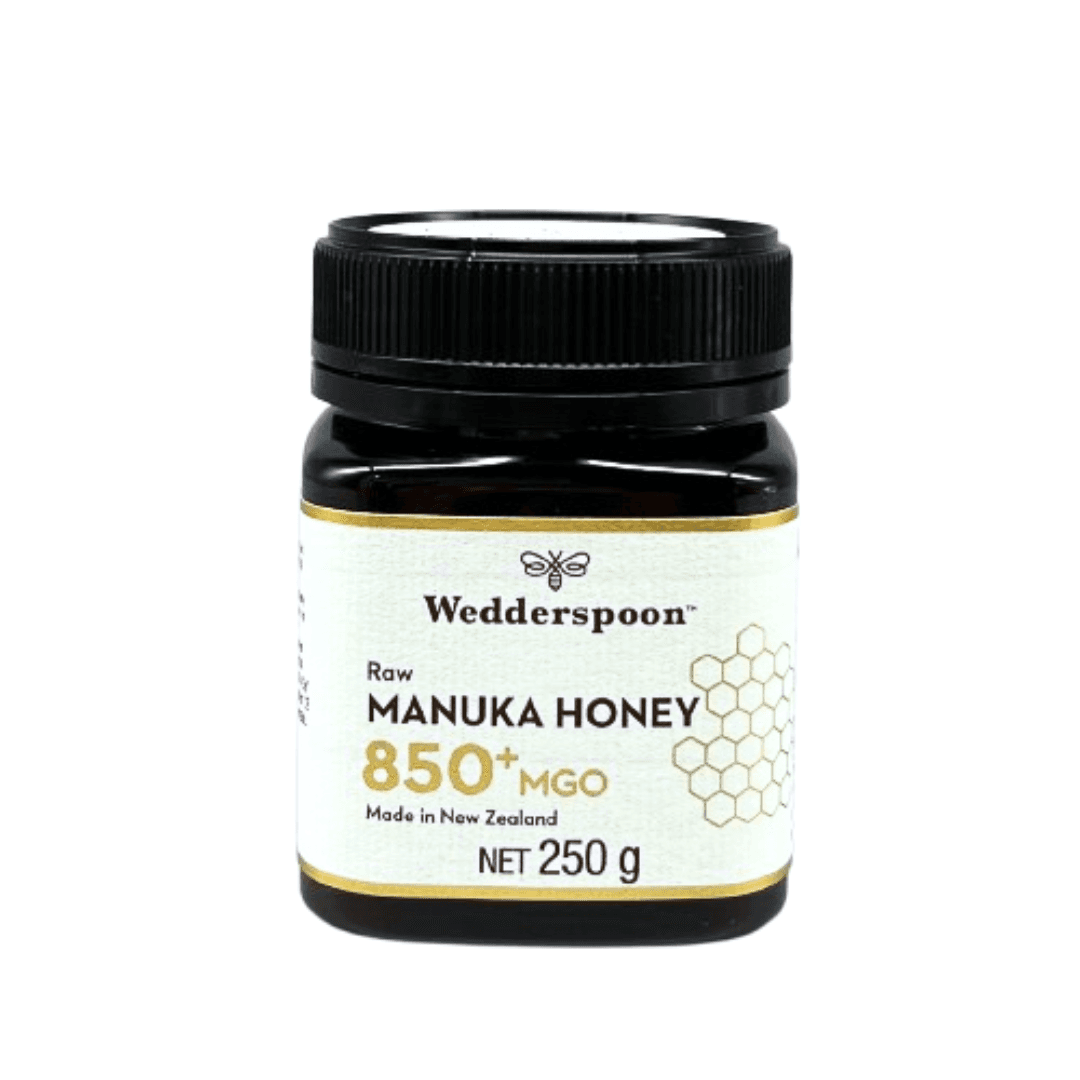
MGO measures the concentration of methylglyoxal, the compound behind Mānuka honey's antibacterial reputation. It's independently tested using techniques like HPLC and NMR spectroscopy, and MGO honey is a genuine, well-regarded way to grade Mānuka honey, including within our own Wedderspoon range.
Which should you choose?
Both are legitimate ways of measuring what makes Mānuka honey special, they simply measure different things, pollen concentration versus a specific antibacterial compound. Neither is inherently "better," and we're glad to now offer both within Wedderspoon, so you can choose whichever suits your taste and budget.