7 Essential benefits of bees for biodiversity

3 min read

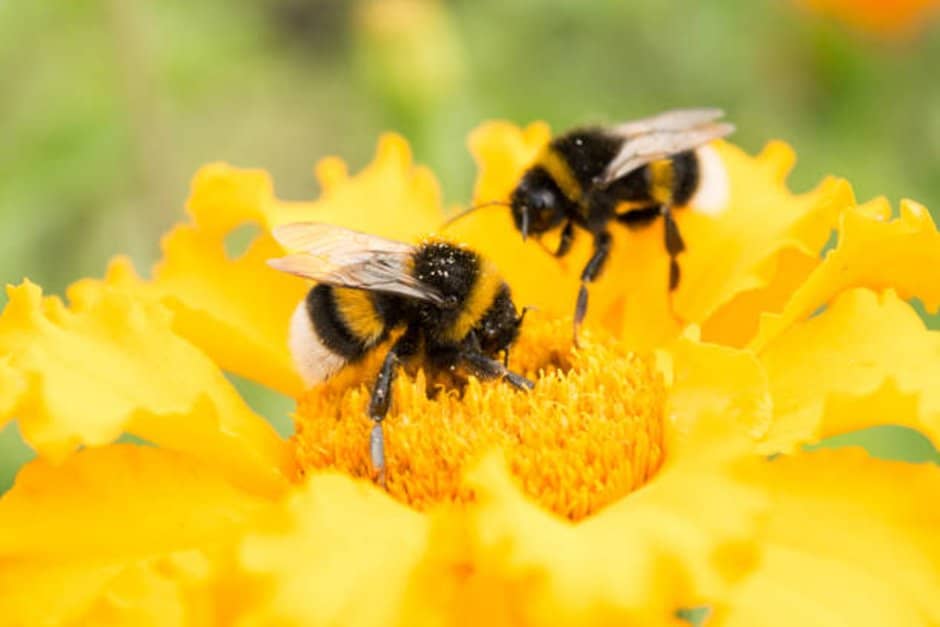
Two bumblebees collecting pollen on a bright yellow marigold illustrating benefits of bees for biodiversity in gardens

How important are bees to our daily life?

Based on the research conducted by the Food and Agricultural Organisation of the UN, around 80% of all flowering plants are designed for animal pollinations, particularly bees. Pollination is crucial to most of our vegetables, fruits and crops. If the bees die out, we’re in an awful lot of trouble and some scientists predict that we’ll have severe food shortages or even famine, within a generation.

How do bees play a part in UK agriculture?

Of course, there are other pollinators in nature, but, wild bees are among the best and most prolific, and more importantly are capable of pollinating on a significantly larger scale. Without any bees, it would cost our farmers approximately £1.8 billion per year and be incredibly time consuming to manually pollinate their crops.

Our farming practices would change dramatically without the bees and it would have a direct impact on the cost of our fruit and vegetables. Blueberries, for example, rely on honeybees for up to 90% of their pollination. Without bees, the availability and diversity of fresh fruit & vegetables would decline substantially, and our nutrition intake would likely suffer from the consequences.

So what can we do to help the Bees?

British Bees are in a lot of trouble.  According to Friends of the Earth, we’ve already lost 13 species of bee and 35 species are currently under risk.  With the UK Government’s relaxation on the use of neonicotinoids, the bees are not only at risk because of the loss of their habitat but, also the chance of being poisoned by farming chemicals too.

French Bulldog dog wearing bee costume with demonstration sign saying 'Save the bees' French Bulldog dog wearing bee costume with demonstration sign saying 'Save the bees' bees stock pictures, royalty-free photos & images

There are some simple things you can do to help the bees at home or in your garden.

  1. Plant bee-friendly plants all over your gardens such as foxglove, birdsfoot trefoil and red clover. Bees also love Borage and Dandelions which hold nectar at key times of the spring when other flowers aren’t available, so consider leaving the mowing of your grass for an extra week.
  2. Stop using pesticides in your garden wherever possible
  3. Leave a small area of your garden wild (in so much as not mown – just flowers) and put in a bit of sand as bees like to bury themselves in it.
  4. Leave a shallow saucer with some water in it. If you can put a few pebbles or marbles, it helps to keep the bees dry, but they are still able to get a drink without damaging their wings.
  5. Help bees in need. Sometimes a bee might seem like it is dying and it is actually just exhausted. If you could place a mix of two tablespoons of white granulated sugar and a tablespoon of water next to it, it certainly could be of a boosting energy drink for the bee. You can also put the bee in an elevated position in the sun (but putting a sheet of paper underneath it and moving it that way). Just remember to not touch the bees otherwise they might see you as a threat and sting you which will cause them to die!

For more information on the importance of the bees as our pollinators or to get more information on how to help, including campaigning to save the bees, check out the Friends of the Earth website:  https://friendsoftheearth.uk/bees


Also in Education

Best Raw Organic Manuka Honey UK Traceable Certified Genuine

2 min read

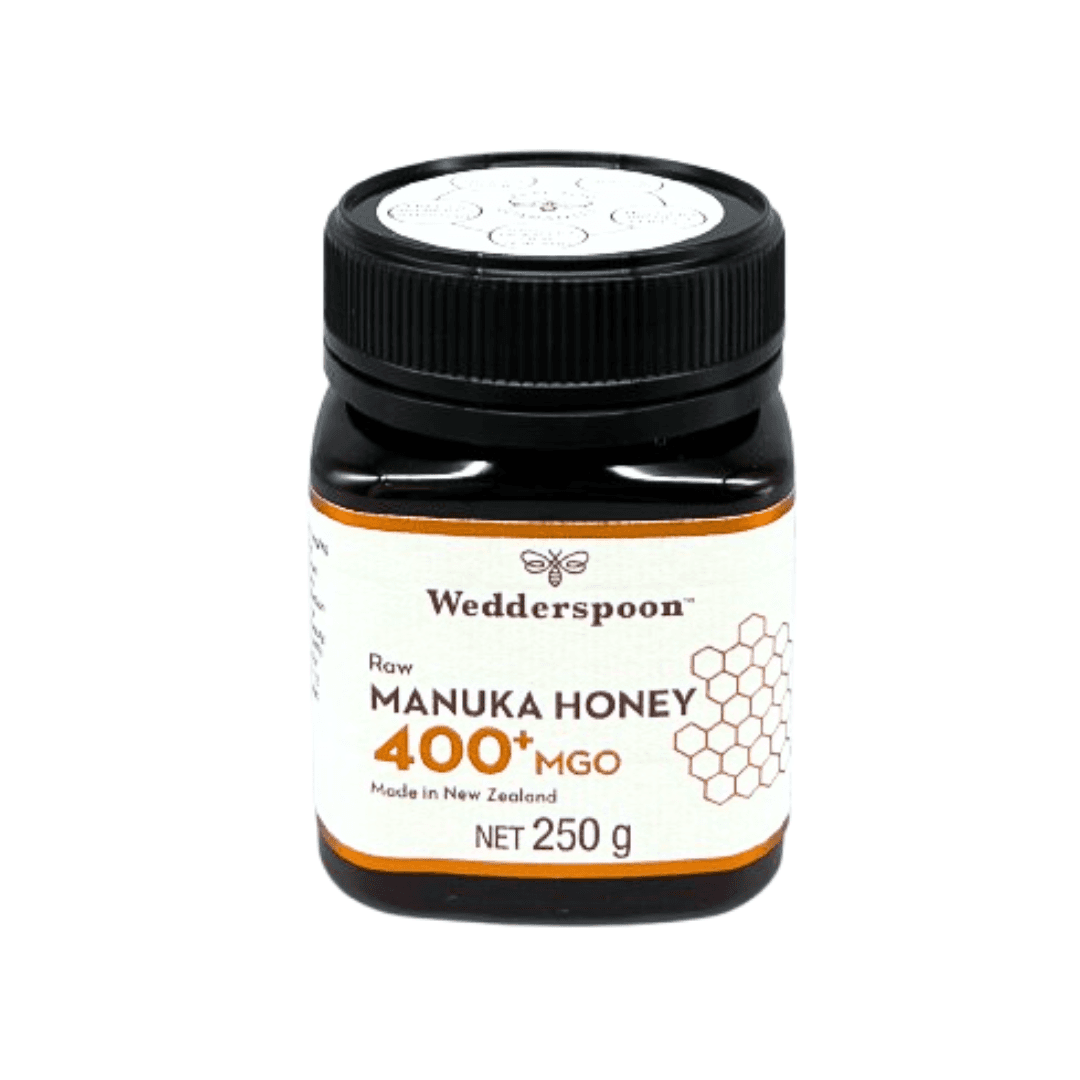
Wedderspoon’s Raw & Organic Manuka Honey is the first of its kind in the UK and Europe — raw, unpasteurised, and certified organic with 400 MGO. Sourced and packed in New Zealand, it’s independently tested for purity and fully traceable from hive to home. Non-GMO, halal, kosher, and glyphosate-free, this honey supports ethical beekeeping, a local British family business, and a more sustainable future.

Read More
Natural Health Myths and Facts: Separate Truth from Fiction - Manuka Honey Direct
Debunking Natural Health Myths: Honey, Manuka & Joints

1 min read

Read More
Selection of raw honey jars including oak thyme and manuka varieties on blue background raw honey health benefits
Raw Honey, Honestly: What Actually Makes It Different

2 min read

Read More