Your Cart is Empty
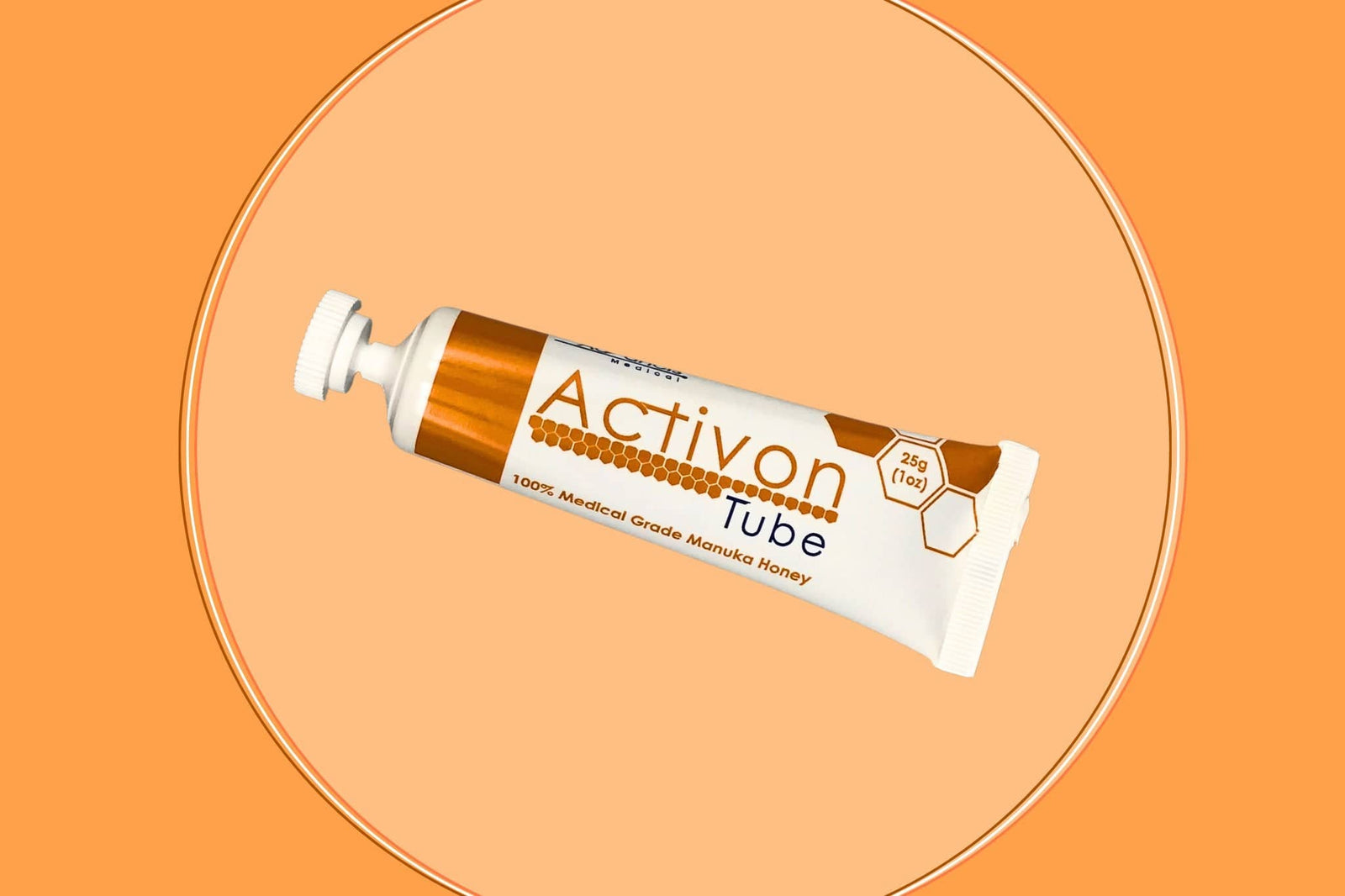

You may have heard that honey has a role in modern wound care, that's genuinely true, and it's worth understanding the mechanism, since it's more specific and more interesting than "honey heals wounds."
What these dressings actually do
Medical-grade Mānuka honey dressings are used in clinical settings for pressure ulcers, leg ulcers, surgical wounds, burns, graft sites and cavity wounds. They work by creating a moist wound environment (which supports healing) while their antibacterial activity, largely from the compound methylglyoxal, helps discourage bacterial growth in the wound bed. They can also help reduce wound odour, a genuine quality-of-life issue for anyone managing a slow-healing wound.
Why this is a clinical product, not a kitchen one
These dressings are sterilised and regulated specifically for wound use, which is a different thing entirely from raw honey from a jar. If you're dealing with a wound that needs this kind of care, particularly a diabetic ulcer, which needs proper clinical oversight given the higher risk of complications, the right first step is your GP, practice nurse, or pharmacist, who can recommend the appropriate product and check the wound is healing as it should.
Where Mānuka honey's reputation comes from
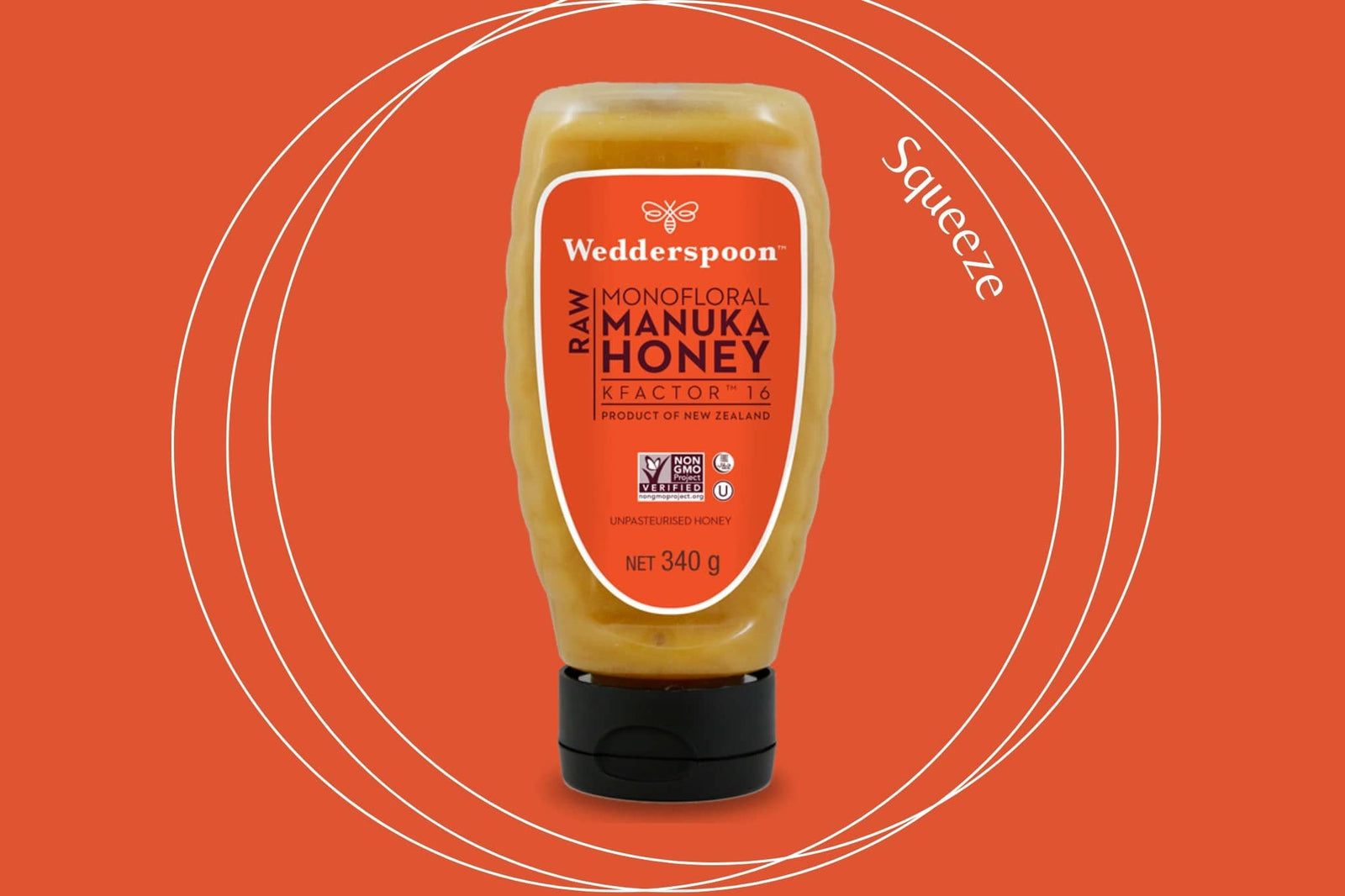
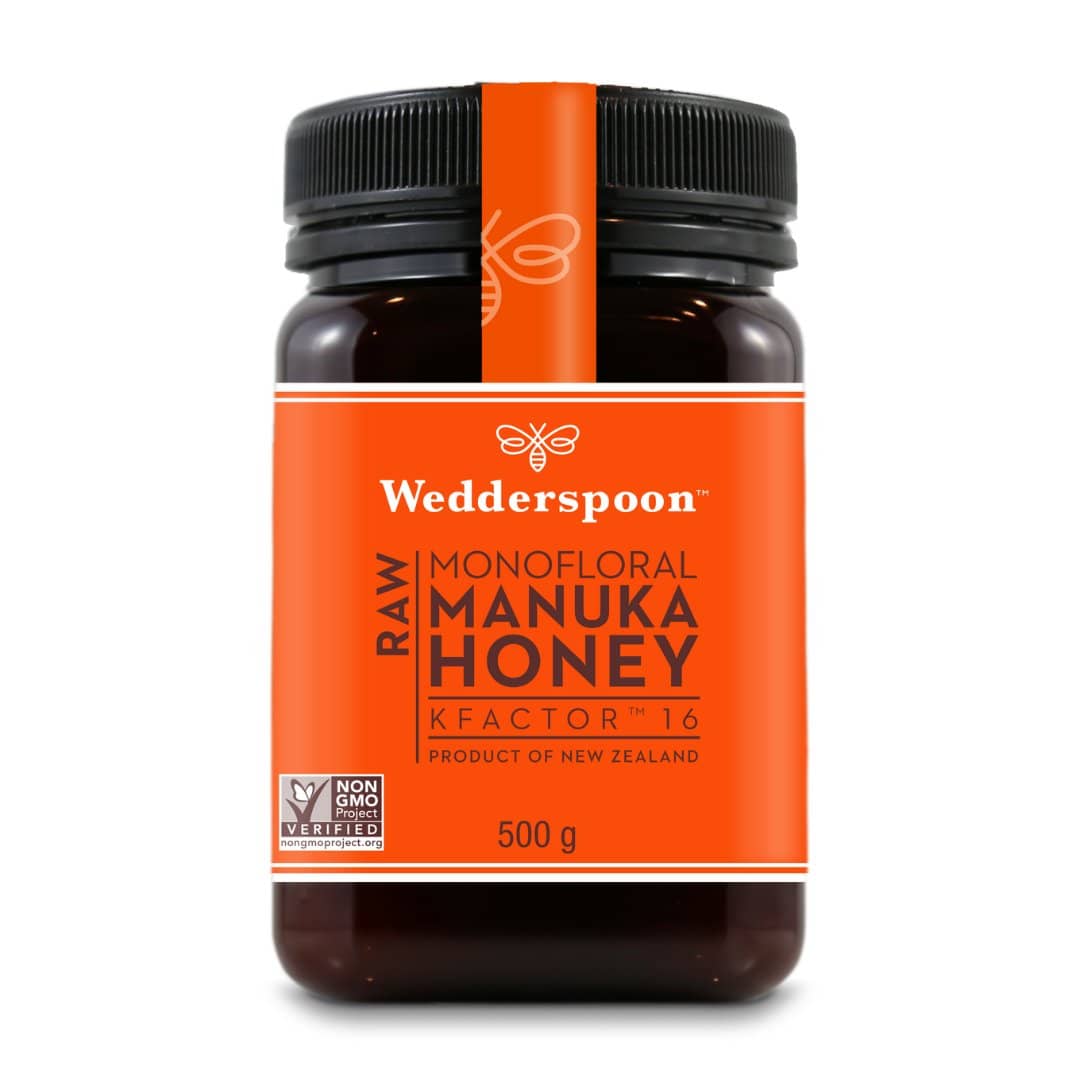
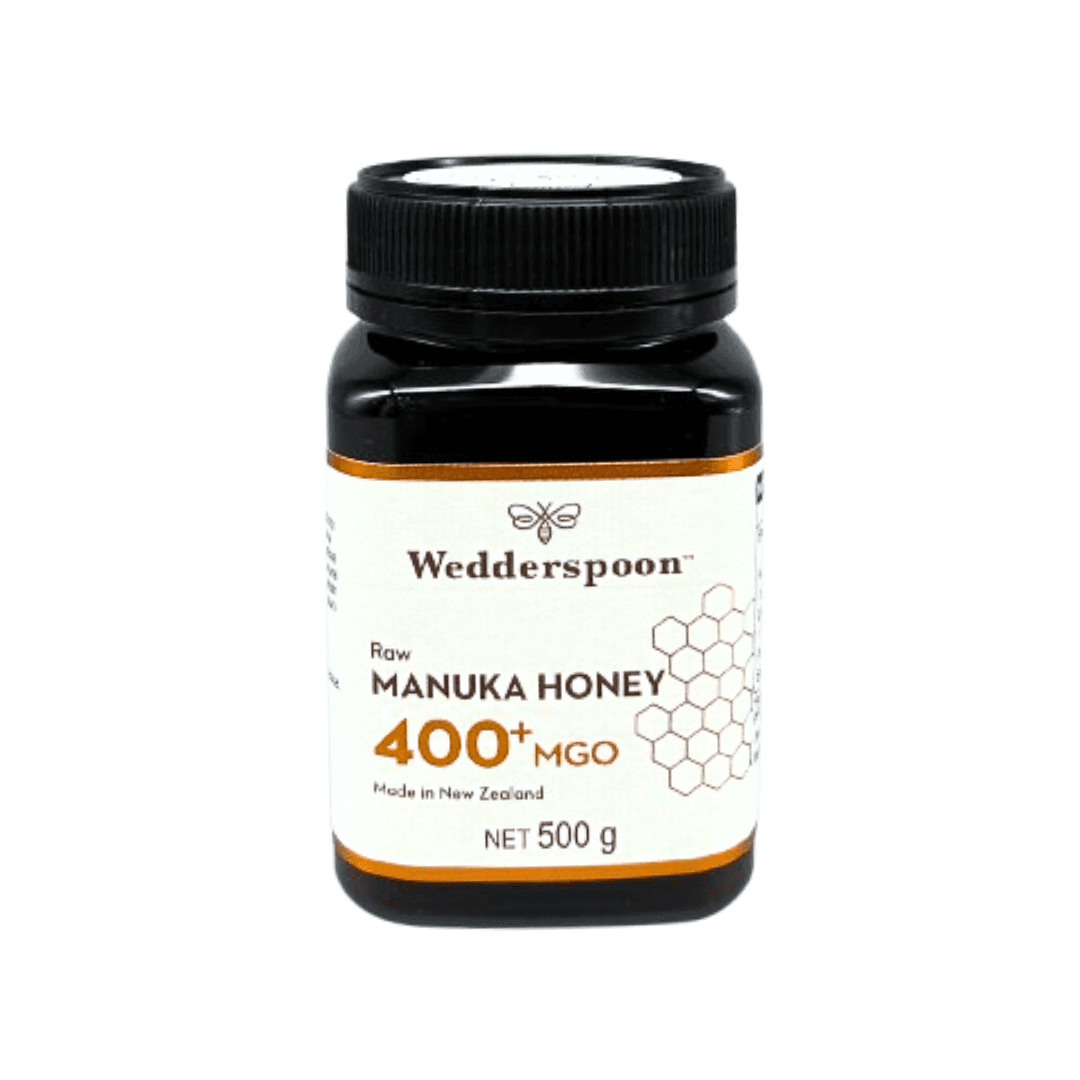
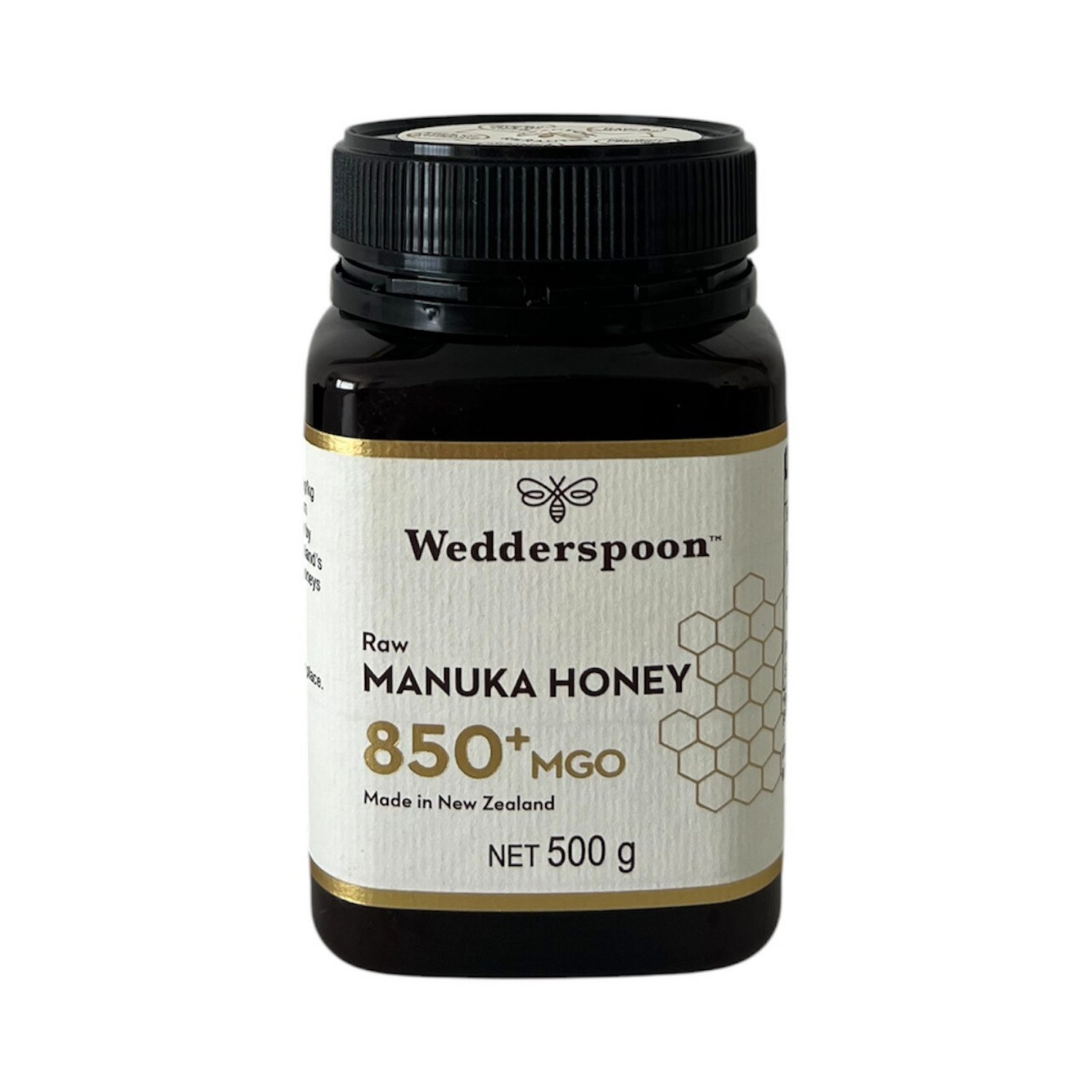
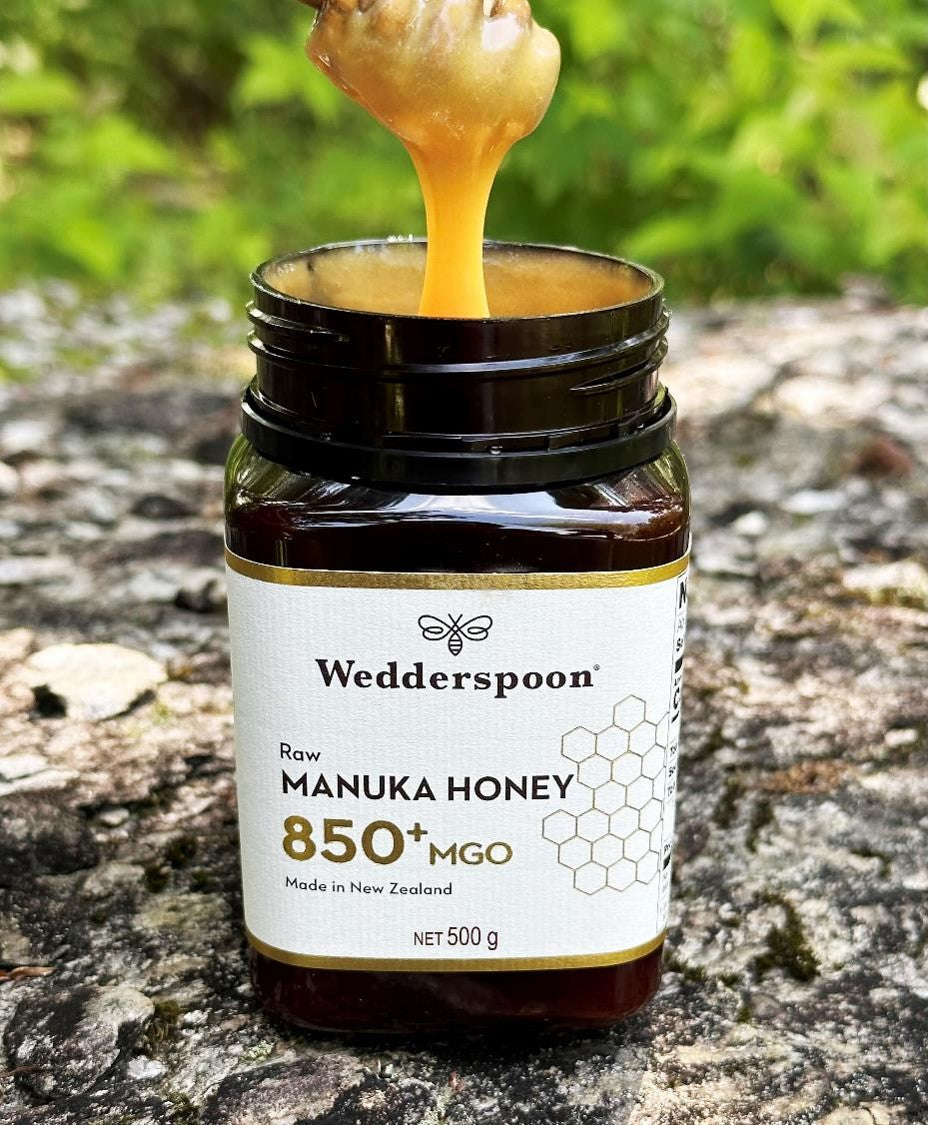
It's the same underlying property, methylglyoxal's antibacterial activity, that makes Wedderspoon's raw Mānuka honey worth choosing for eating, and makes medical-grade versions worth using for wound care. Two different products, doing two different jobs, both genuinely rooted in the same distinctive compound.