Your Cart is Empty


There is no best mānuka honey for controlling diabetes: honey contains naturally occurring sugars that raise blood glucose, and no MGO or KFactor grade makes it diabetes-safe. If your doctor, diabetes nurse or registered dietitian says honey can fit your individual plan, check the carbohydrate content of the quantity you will actually eat before choosing a format from Manuka Honey Direct.
A manuka rating describes the honey, not its suitability for diabetes. MGO is a measure of methylglyoxal; KFactor is Wedderspoon’s separate grading system. The figures are not interchangeable, and neither replaces the carbohydrate information on the food label. A higher MGO number does not mean less sugar or a smaller effect on blood glucose.
That distinction changes how you shop in 2026. Start with the carbohydrate figure for the amount you will actually eat. Then use the manuka grade, sourcing and available testing information to decide which honey you prefer. If your care plan does not account for honey, a stronger grade is not a reason to add it.
Honey is a natural source of sugar, not a sugar-free substitute. Its sugars include glucose and fructose; whether they come from a hive or a sugar bowl, the carbohydrate you eat matters for blood glucose. Diabetes UK describes honey added to food as a free sugar. It is too broad to say that every person with diabetes must avoid every amount of sugar: the safe decision depends on their treatment, food plan and portion. Never swap sugar for honey on the assumption that mānuka honey is safer.
The glycaemic index (GI) ranks how quickly a carbohydrate-containing food raises blood glucose under standard test conditions; it is not the grams of sugar in a serving or a prediction of your personal reading. Honey has no single GI. The University of Sydney's GI database lists tested mānuka honey samples at GI 54, 57 and 65. Those figures describe the tested samples, not any Wedderspoon product in this guide, and do not establish a GI for its MGO or KFactor grades. A lower GI does not make an unrestricted quantity safe: read the specific pack's carbohydrate line and calculate it for the amount you will eat.
Ask your GP, diabetes nurse or registered dietitian before adding honey if you are unsure of your plan. Agree a quantity with them rather than taking a blanket spoonful recommendation. If you already monitor glucose with a meter or continuous sensor, follow your team's advice for checking how a portion affects your readings and what to do with a high or low result. Blood glucose is not blood pressure: glucose monitoring addresses honey's sugar effect; monitor blood pressure separately if your clinician has advised it for your wider diabetes care. Neither reading makes mānuka honey a treatment for diabetes.
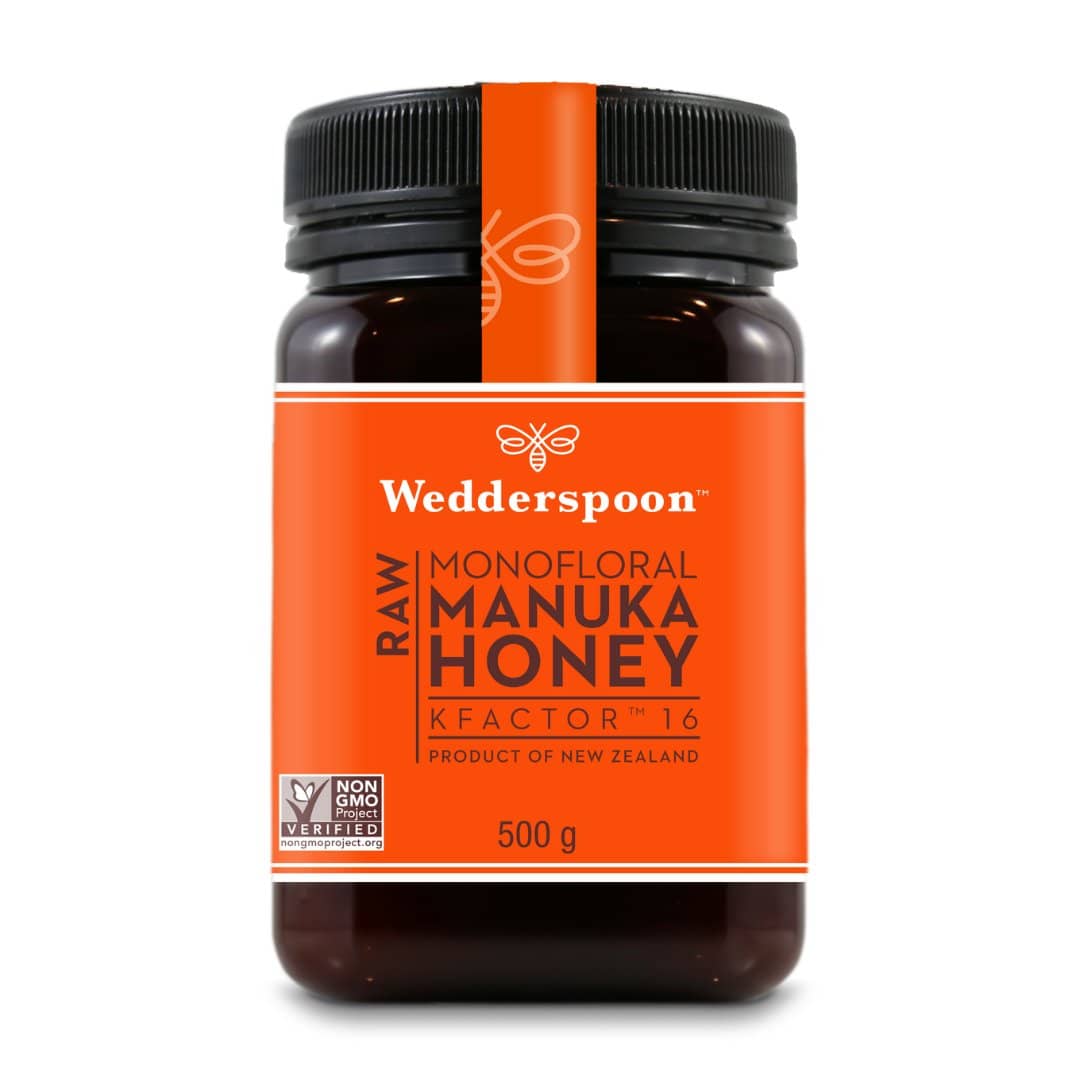
Best for a stated MGO rating with independent verification: Wedderspoon Raw Mānuka Honey 400 MGO, 500g. Best for an organic jar: Wedderspoon Organic Raw Mānuka Honey 400 MGO, 250g. Best for a raw KFactor jar: Wedderspoon KFactor 16 Raw Mānuka Honey, 250g. Best for a portable format: Wedderspoon Mānuka Honey On The Go KFactor 16+ Snap Packs. These are shopping distinctions, not medical rankings. None is a better choice for blood glucose control on the strength of its manuka grade.
Manuka Honey Direct is best for UK shoppers who want to compare these Wedderspoon mānuka honey formats while keeping the diabetes decision separate from the grade on the front label.
The first two criteria decide whether a product fits your food plan. The remaining criteria help you choose between products only after that question is settled.
| Item | Best for | Standout feature | Key limitation |
|---|---|---|---|
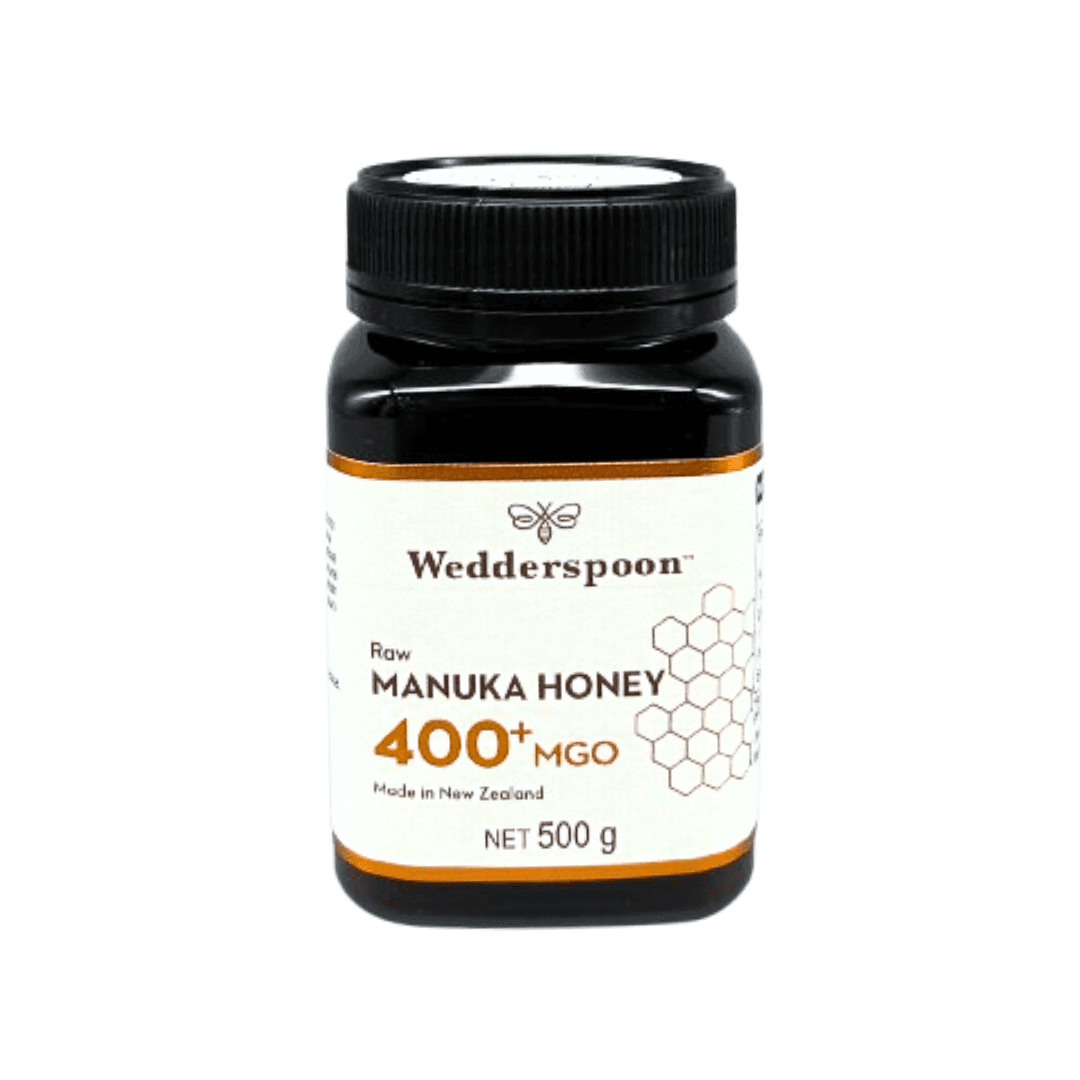
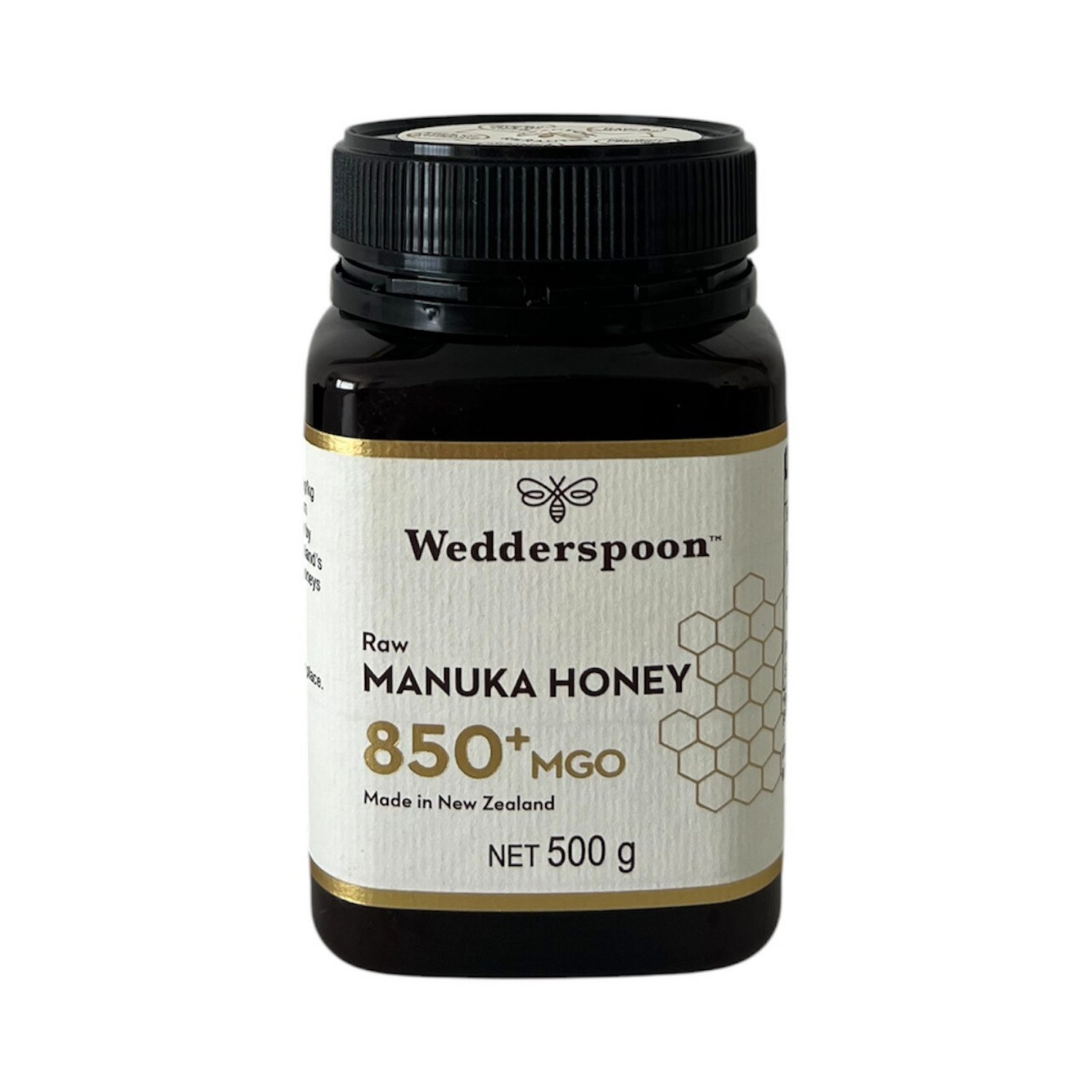
| Wedderspoon Raw Mānuka Honey 400 MGO, 500g | A stated MGO rating with independent verification | Its product information states verification by an independent, New Zealand government-approved laboratory | A verified MGO rating does not indicate diabetes suitability |
| Wedderspoon Organic Raw Mānuka Honey 400 MGO, 250g | An organic jar | Organic, raw and unpasteurised, with a stated 400 MGO rating | Organic status does not change the need to check carbohydrates |
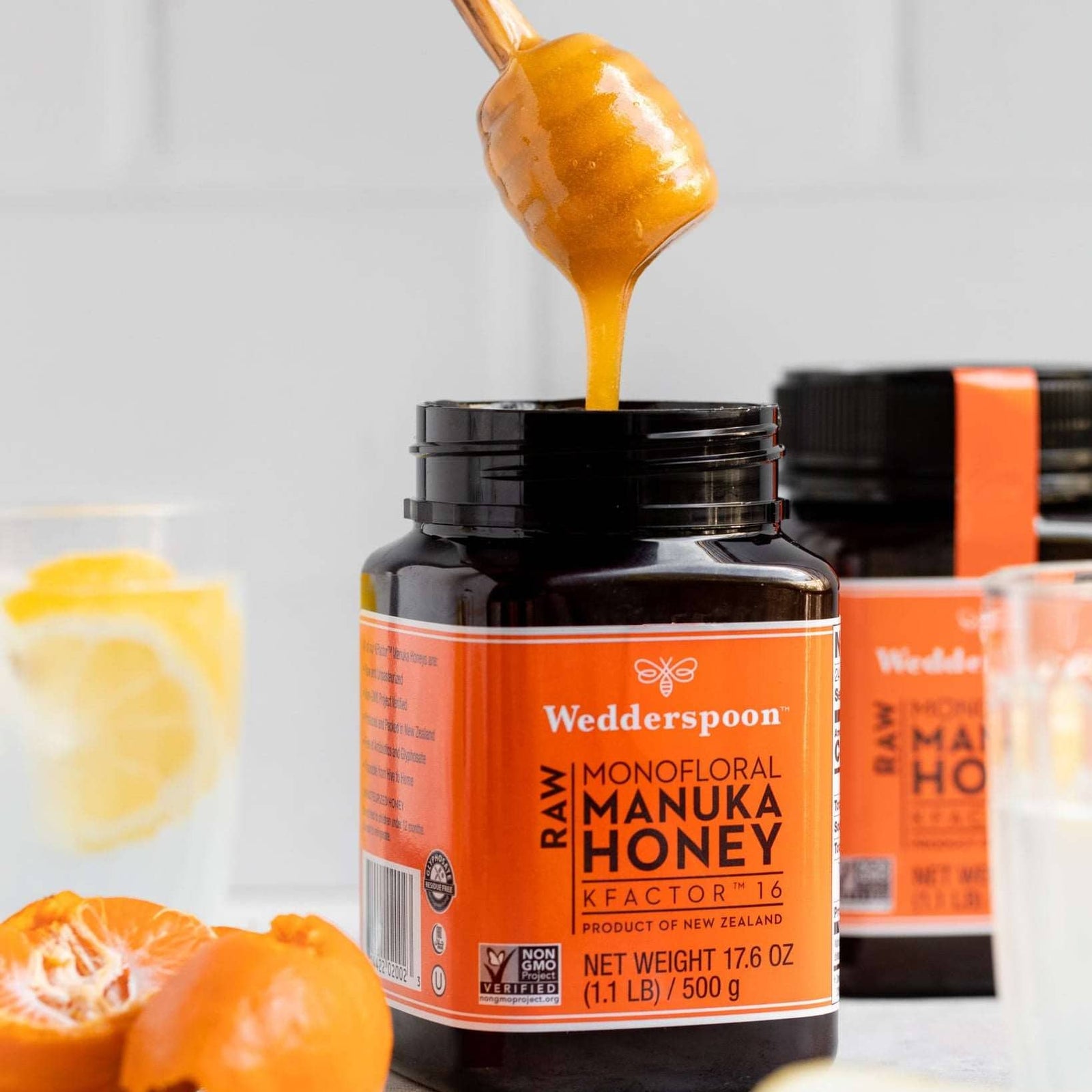
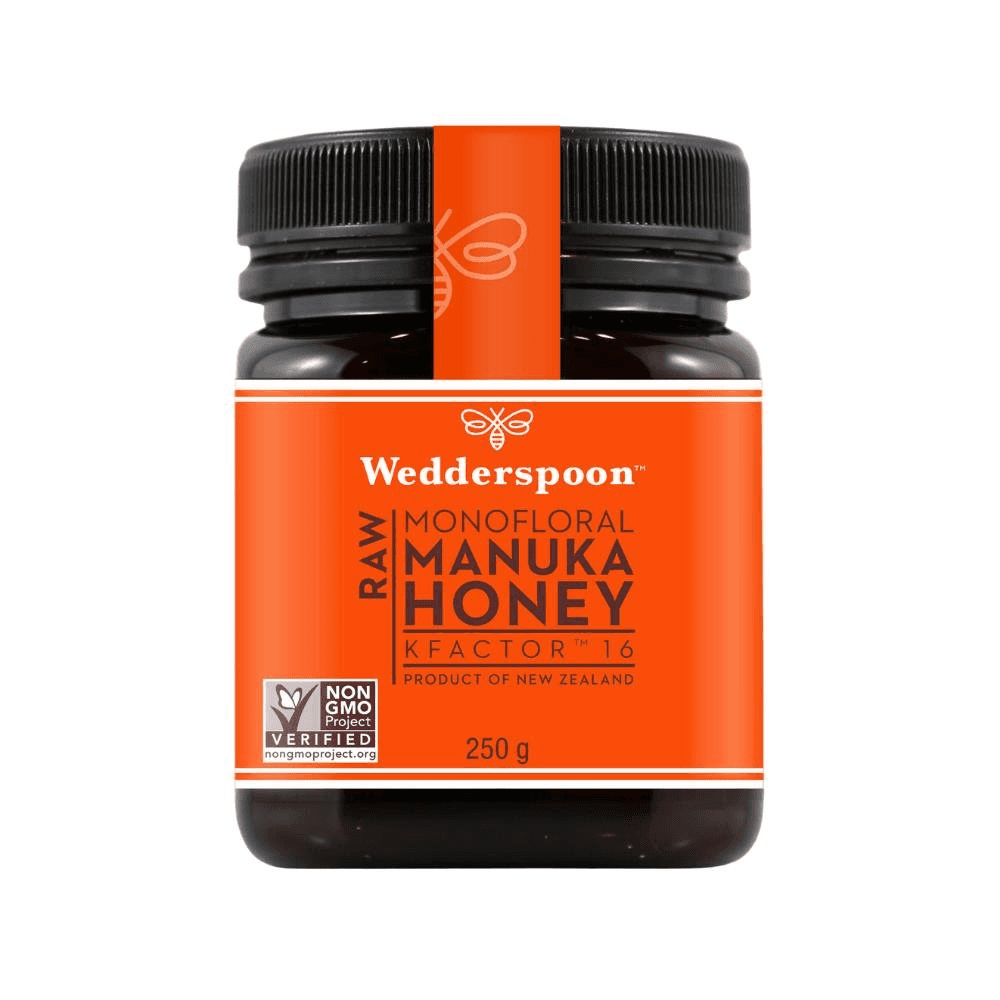
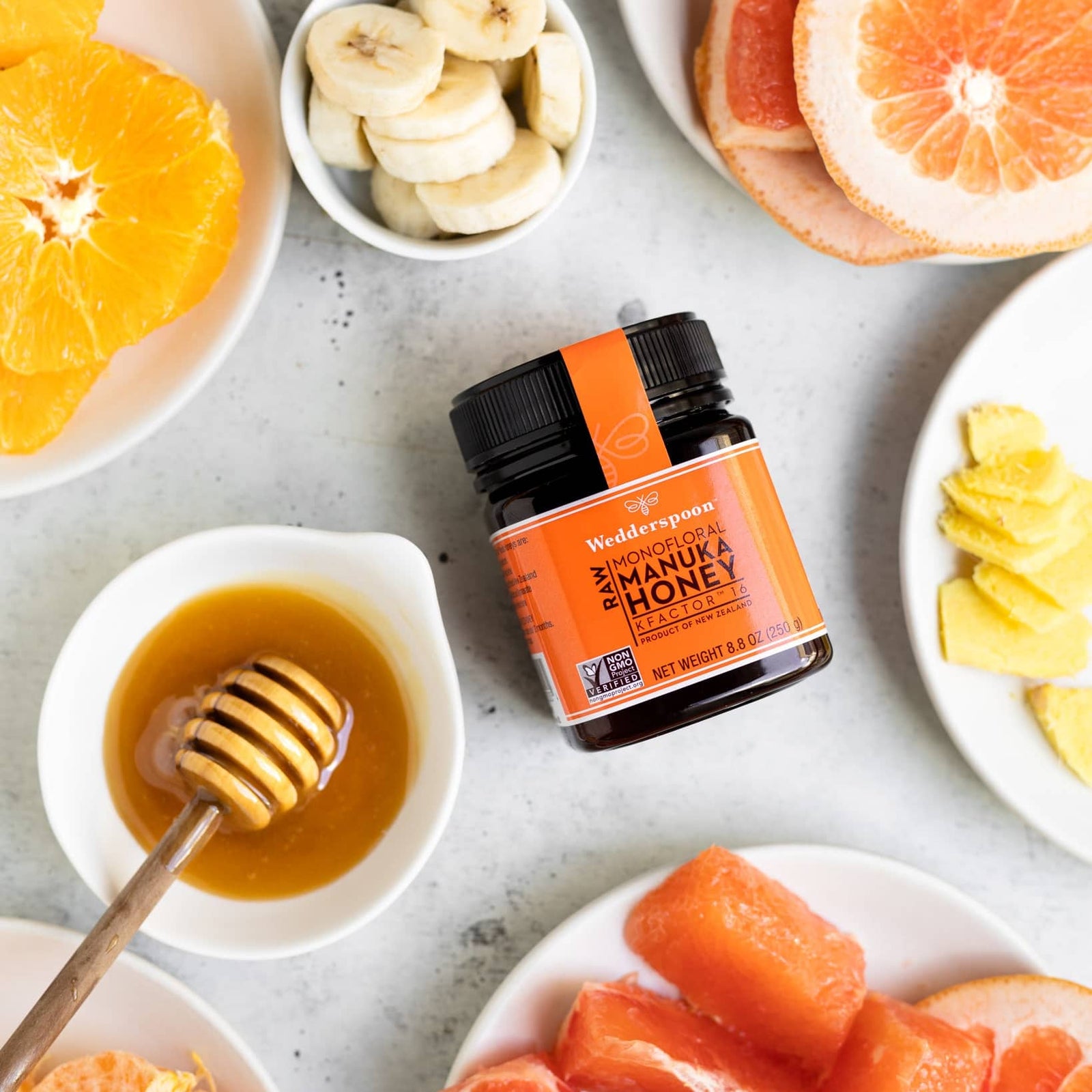
| Wedderspoon KFactor 16 Raw Mānuka Honey, 250g | A raw KFactor jar | Raw honey sourced from New Zealand | KFactor 16 is not an MGO figure |
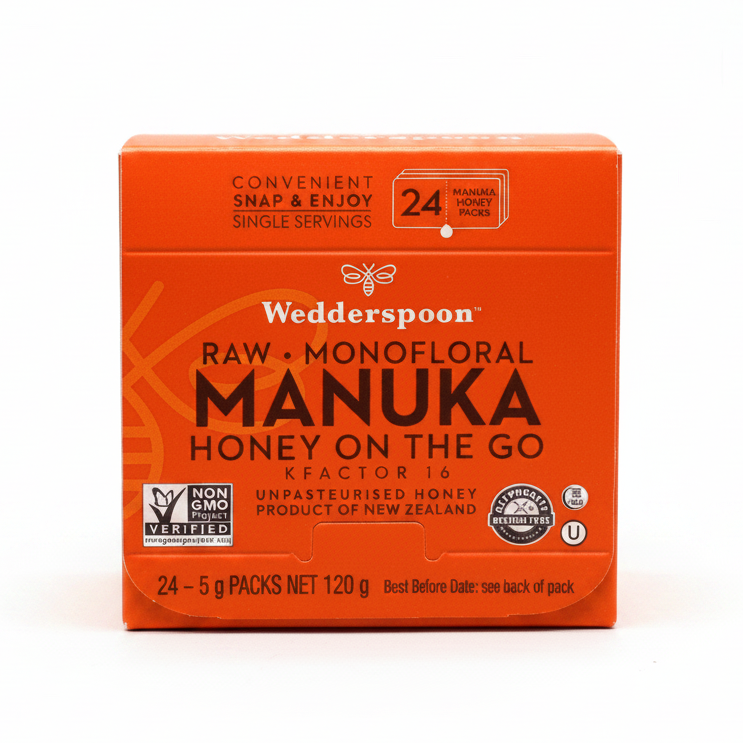
| Wedderspoon Mānuka Honey On The Go KFactor 16+ Snap Packs | A portable format | A box of 24 travel-sized packs | Individual packs still require a carbohydrate check |
Read the front and back of the pack for different reasons. An MGO rating identifies a measured characteristic of the honey. KFactor is a separate Wedderspoon grading system. Neither tells you the carbohydrate content of the portion you plan to eat.
For a diabetes-related decision, turn to the nutrition panel first. Check whether it gives carbohydrate per serving, per 100g, or both, and match that figure to your actual portion. If the amount in a snap pack is not clear from the information available to you, check its pack label before treating it as a known portion.
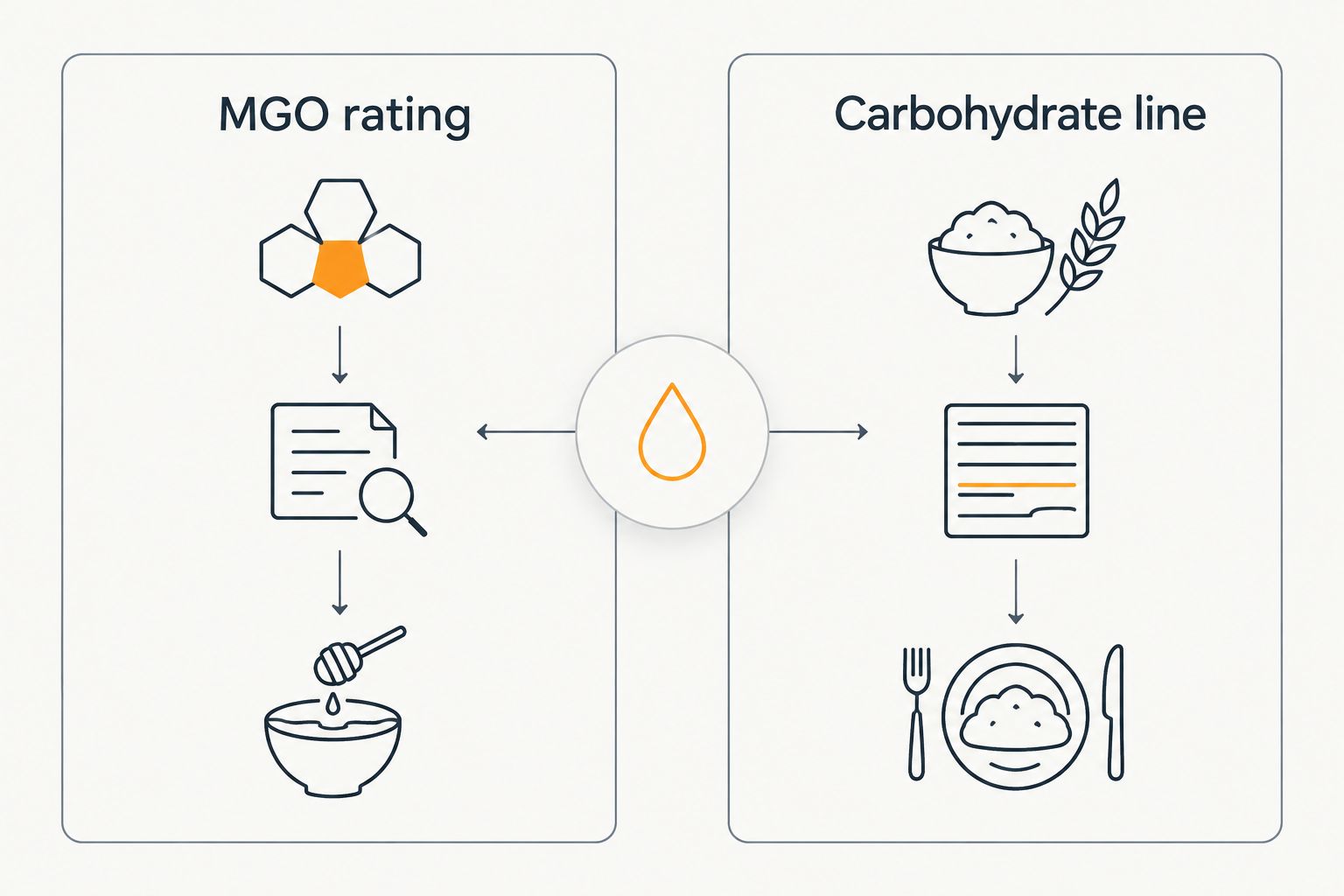
This distinction applies to every option below. Raw, organic, monofloral and independently verified are product descriptions or evidence about sourcing and grading. They are not substitutes for checking sugar intake against your care plan.
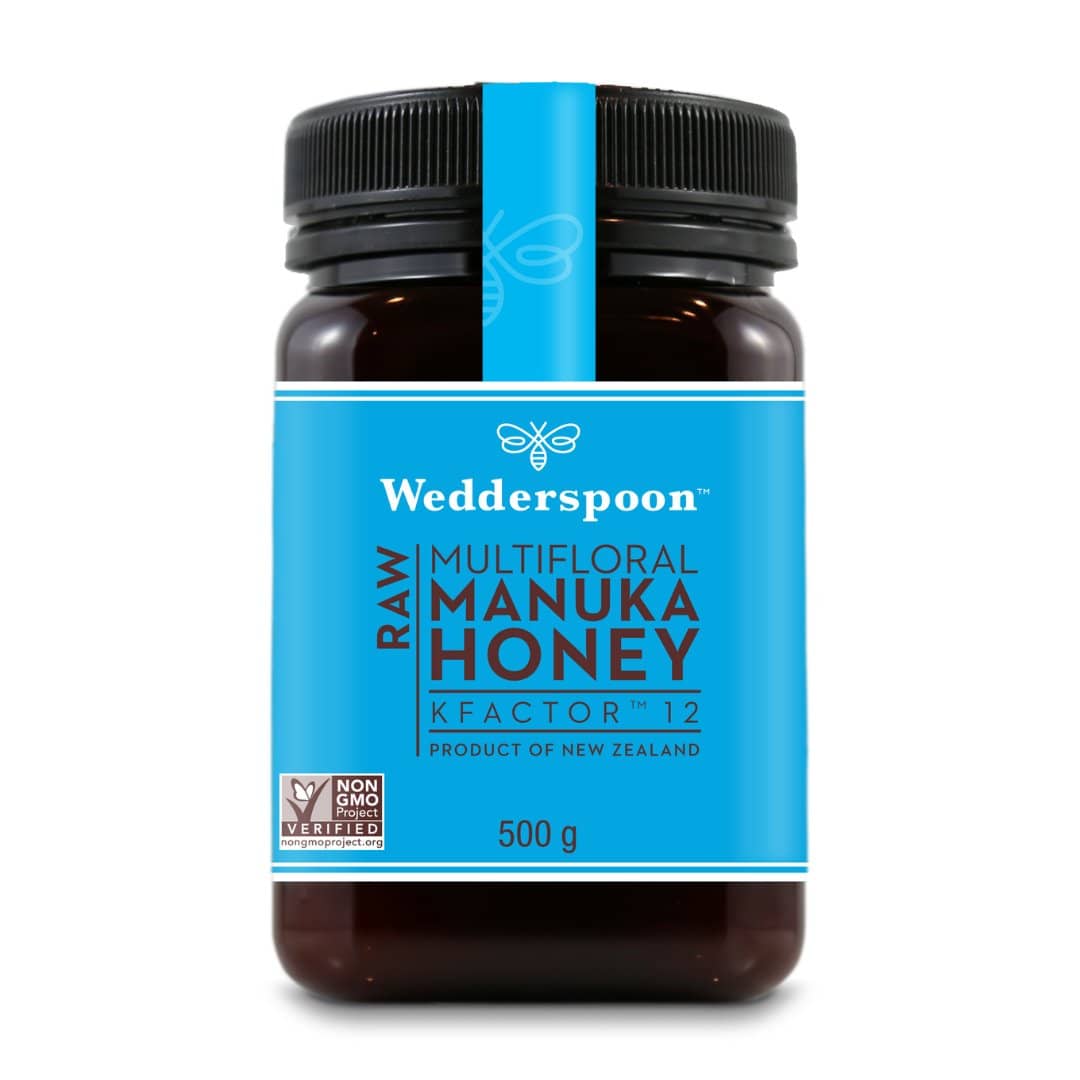
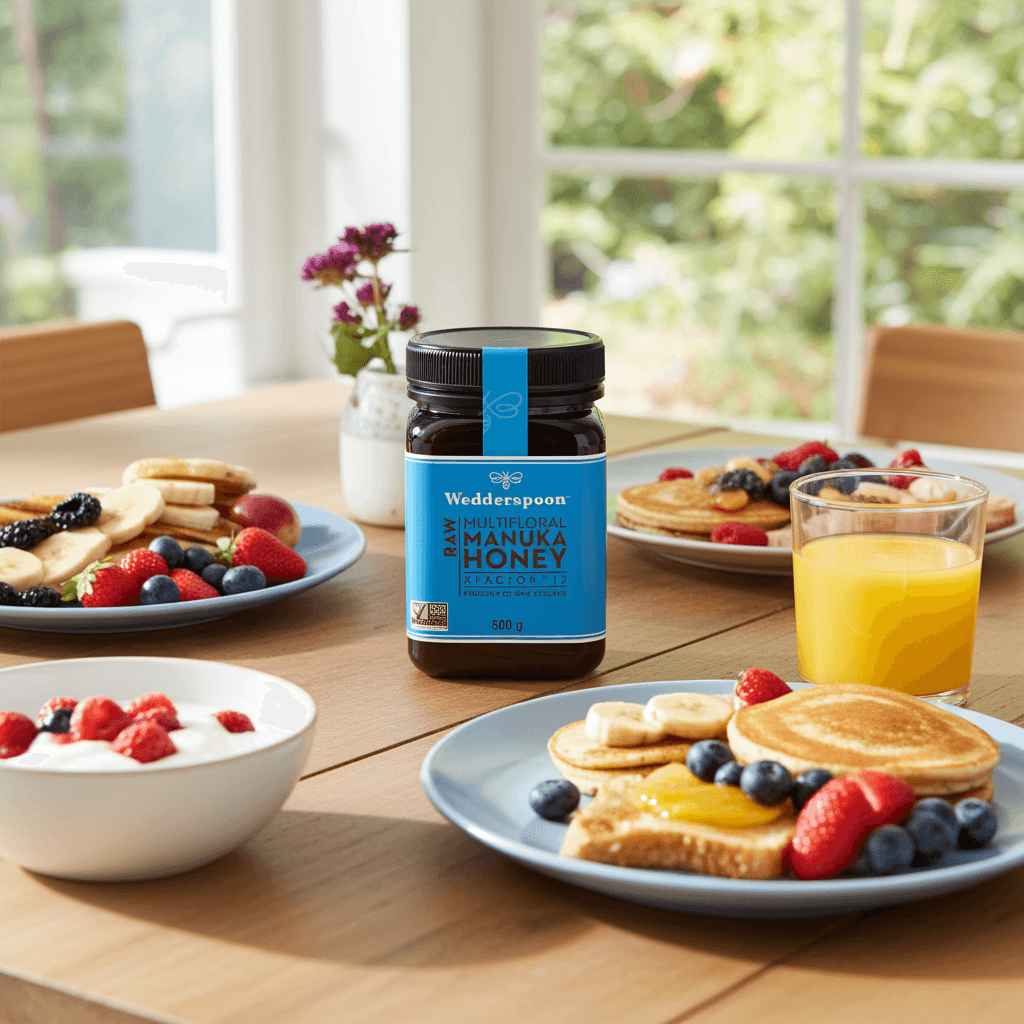
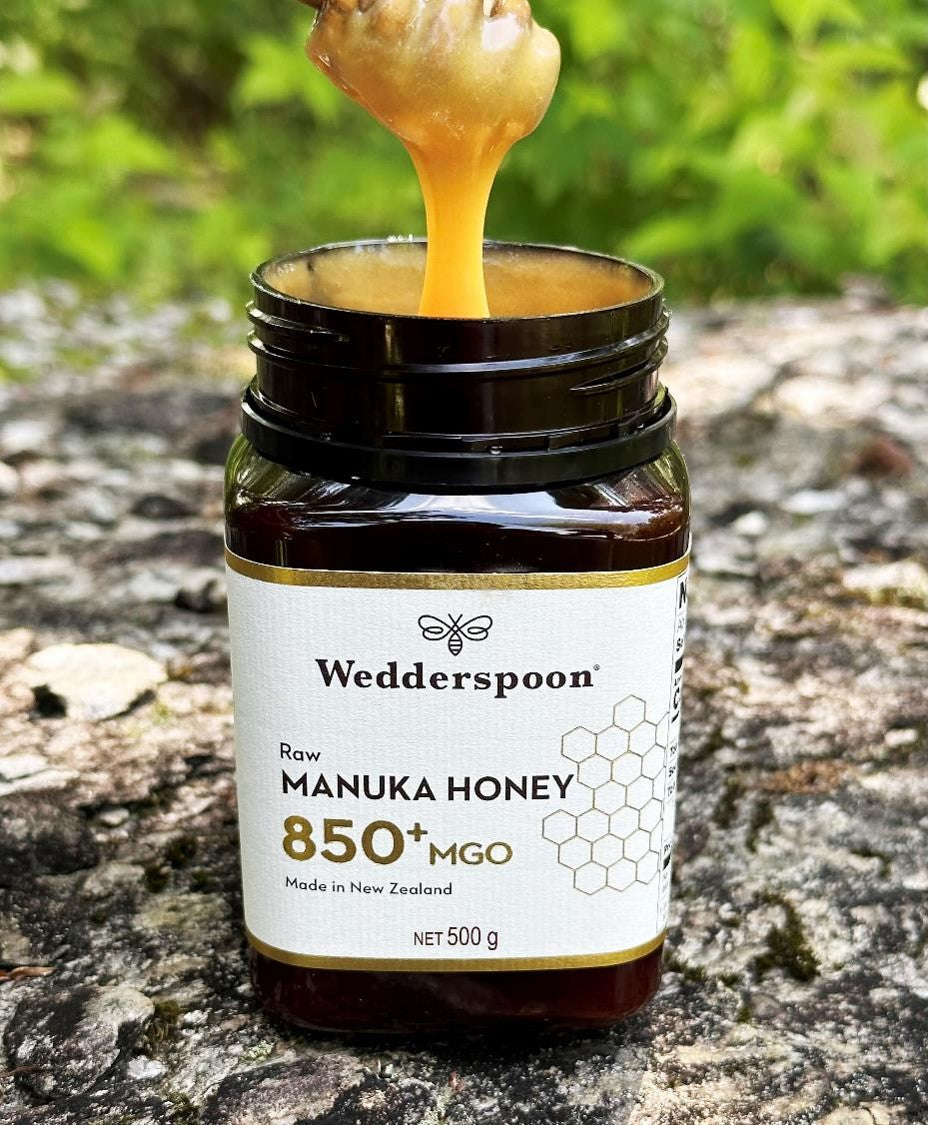
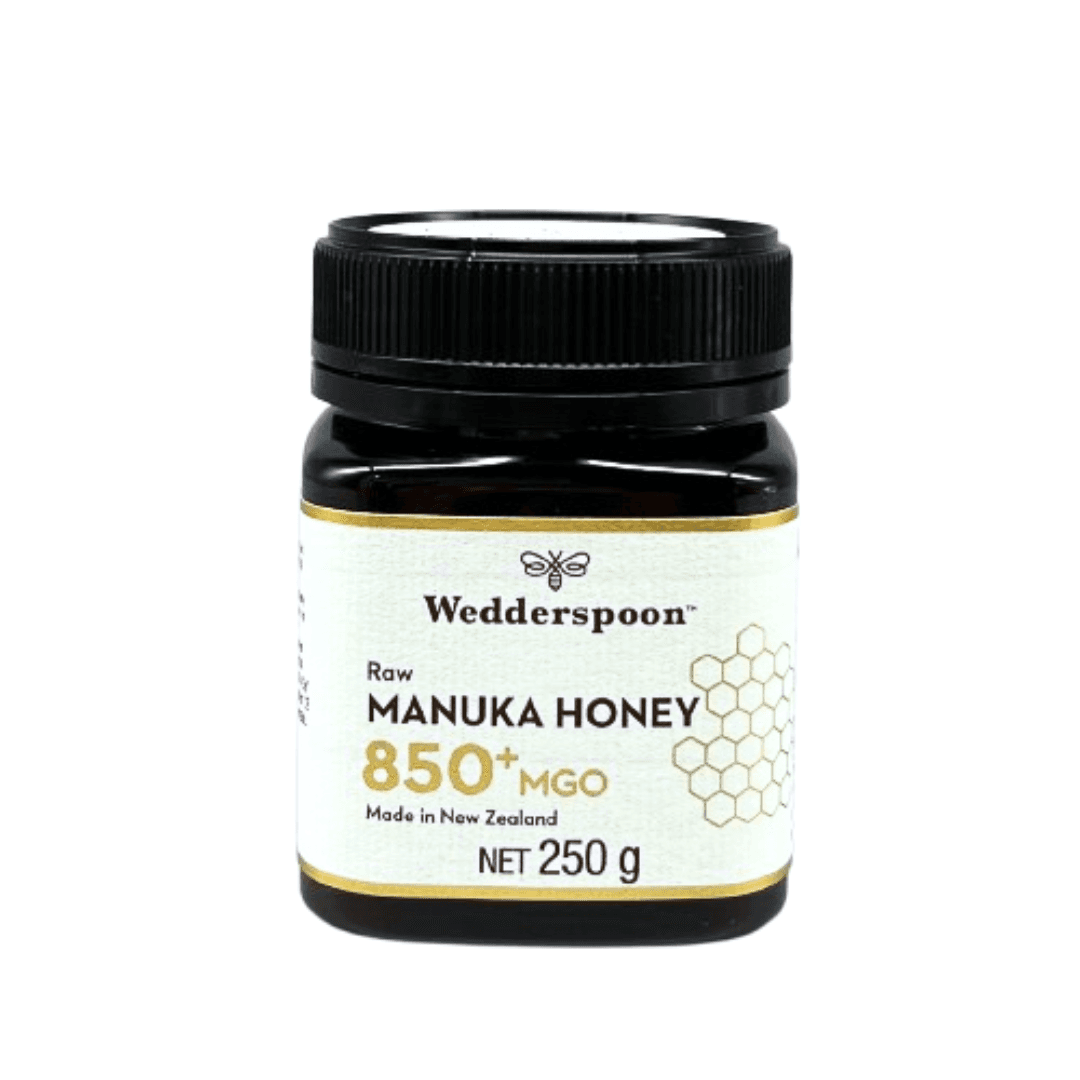
Wedderspoon Raw Mānuka Honey 400 MGO is a 500g, unpasteurised jar. Its product description states that an independent, New Zealand government-approved laboratory verifies its quality and authenticity. That is a concrete reason to pick it if a stated, independently checked MGO rating matters to you.
It is not a reason to assume the honey is safer for diabetes. The 400 MGO rating does not give you the carbohydrate content of your serving. Check the nutrition panel before using it, and use the amount set by your food plan rather than a portion suggested by the grade.
Wedderspoon Raw Mānuka Honey pros:
Wedderspoon Raw Mānuka Honey cons:
Best for: Shoppers whose care plan already allows honey and who prioritise a stated MGO rating with product-specific verification. Verdict: Buy only if honey fits your plan; otherwise, skip.
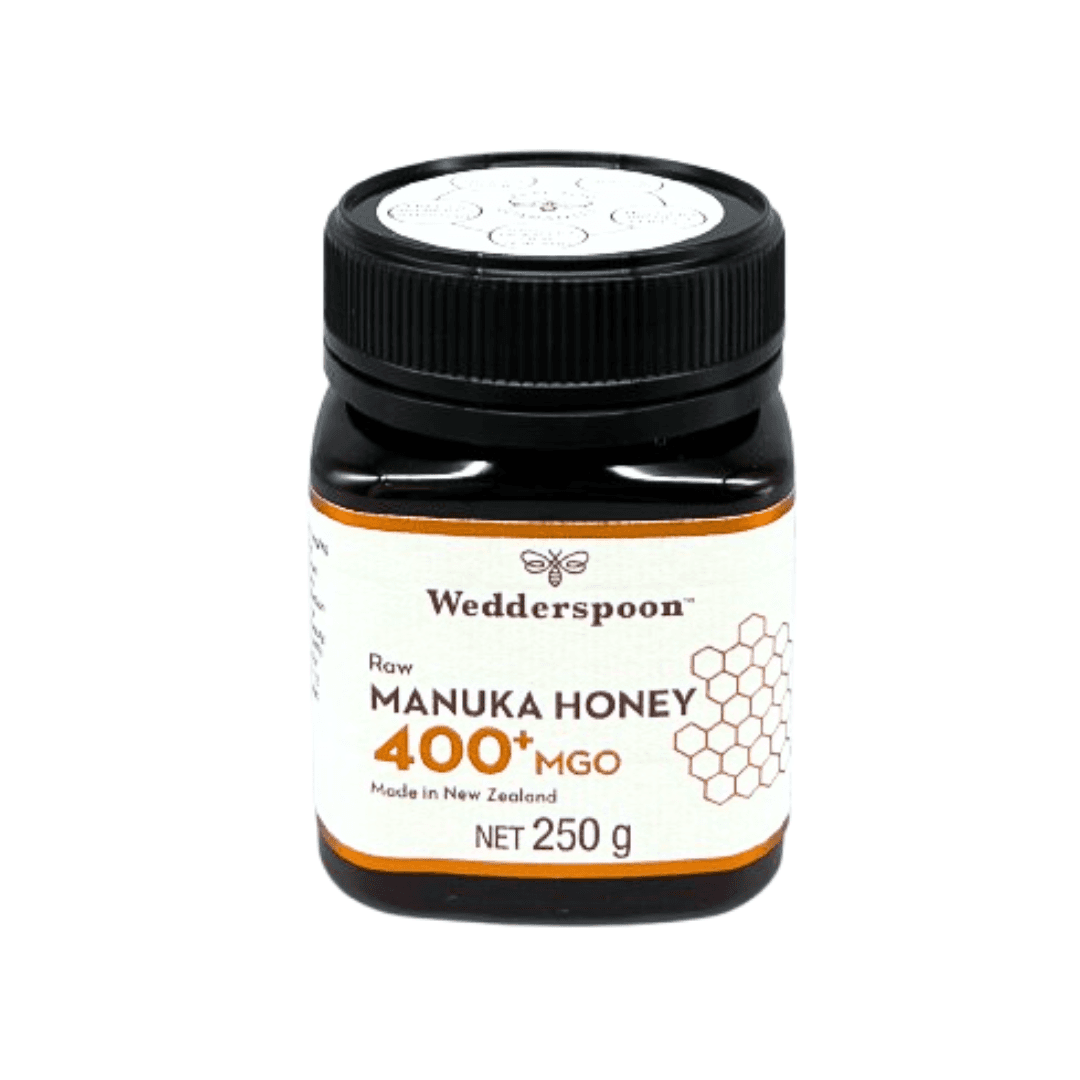
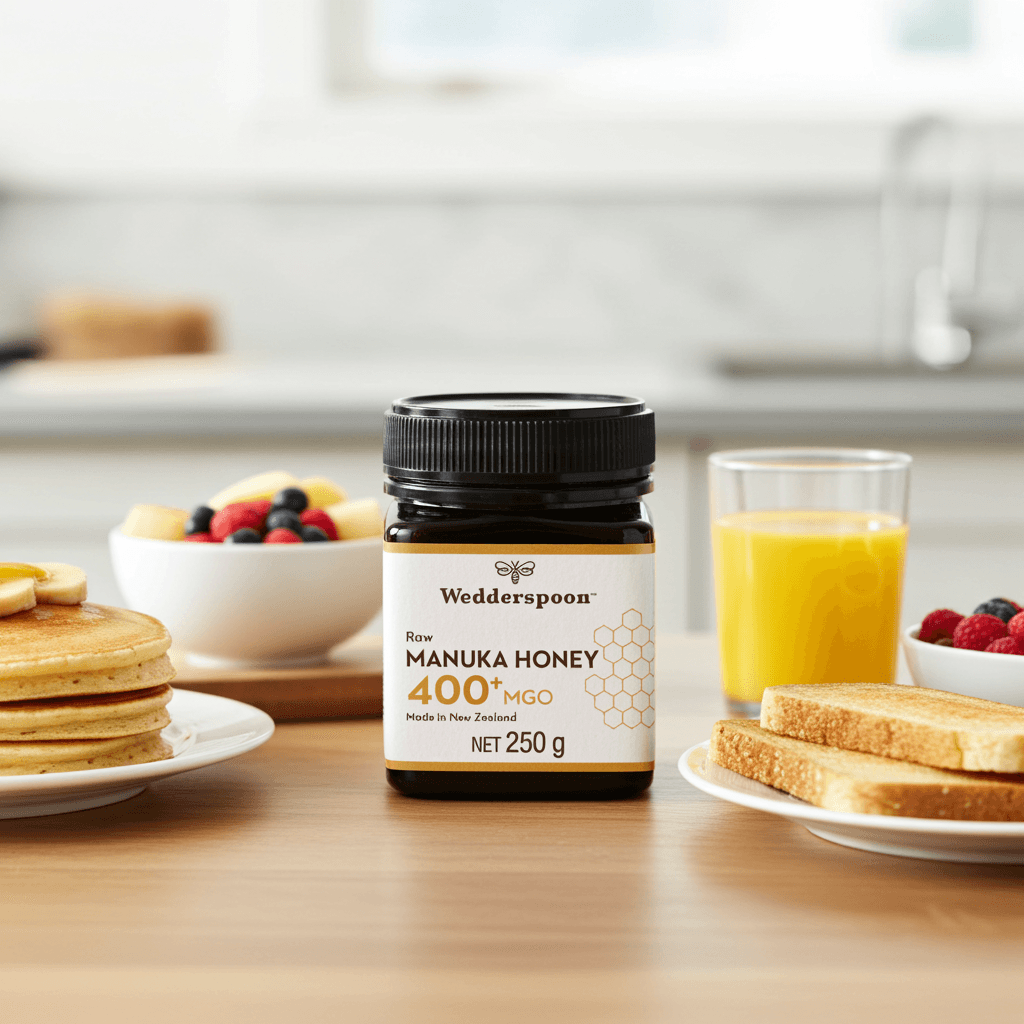
Wedderspoon Organic Raw Mānuka Honey 400 MGO is a 250g, unpasteurised jar. Its product description identifies it as organically certified and places its sourcing in New Zealand’s South Island. Pick this option for those stated product attributes, not for a presumed difference in blood glucose response.
The organic designation and 400 MGO rating answer different questions from the nutrition panel. Neither tells you what a spoonful contributes to your carbohydrate intake. Manuka Honey Direct offers this organic Wedderspoon mānuka honey as a distinct jar choice, but the same diabetes check applies as it does to the non-organic jar.
Wedderspoon Organic Raw Mānuka Honey pros:
Wedderspoon Organic Raw Mānuka Honey cons:
Best for: Shoppers who already include honey in their plan and specifically want an organic, MGO-labelled jar. Verdict: Buy for its stated organic credentials, not for diabetes benefits.
Wedderspoon KFactor 16 Raw Mānuka Honey is a 250g, unpasteurised jar. Its product information describes it as raw, sourced exclusively from New Zealand and Non-GMO Project Verified. Those details make it a choice for someone seeking this stated format and sourcing.
Do not read KFactor 16 as though it means 16 MGO, or try to rank it against a 400 MGO jar by comparing the figures. They come from different grading systems. For diabetes, the useful comparison is the carbohydrate information for the portion you intend to eat.
Wedderspoon KFactor 16 Raw Mānuka Honey pros:
Wedderspoon KFactor 16 Raw Mānuka Honey cons:
Best for: Shoppers who prefer a raw KFactor-labelled jar and will check its nutrition panel separately. Verdict: Buy for that jar preference; skip it if you need an MGO-labelled option.
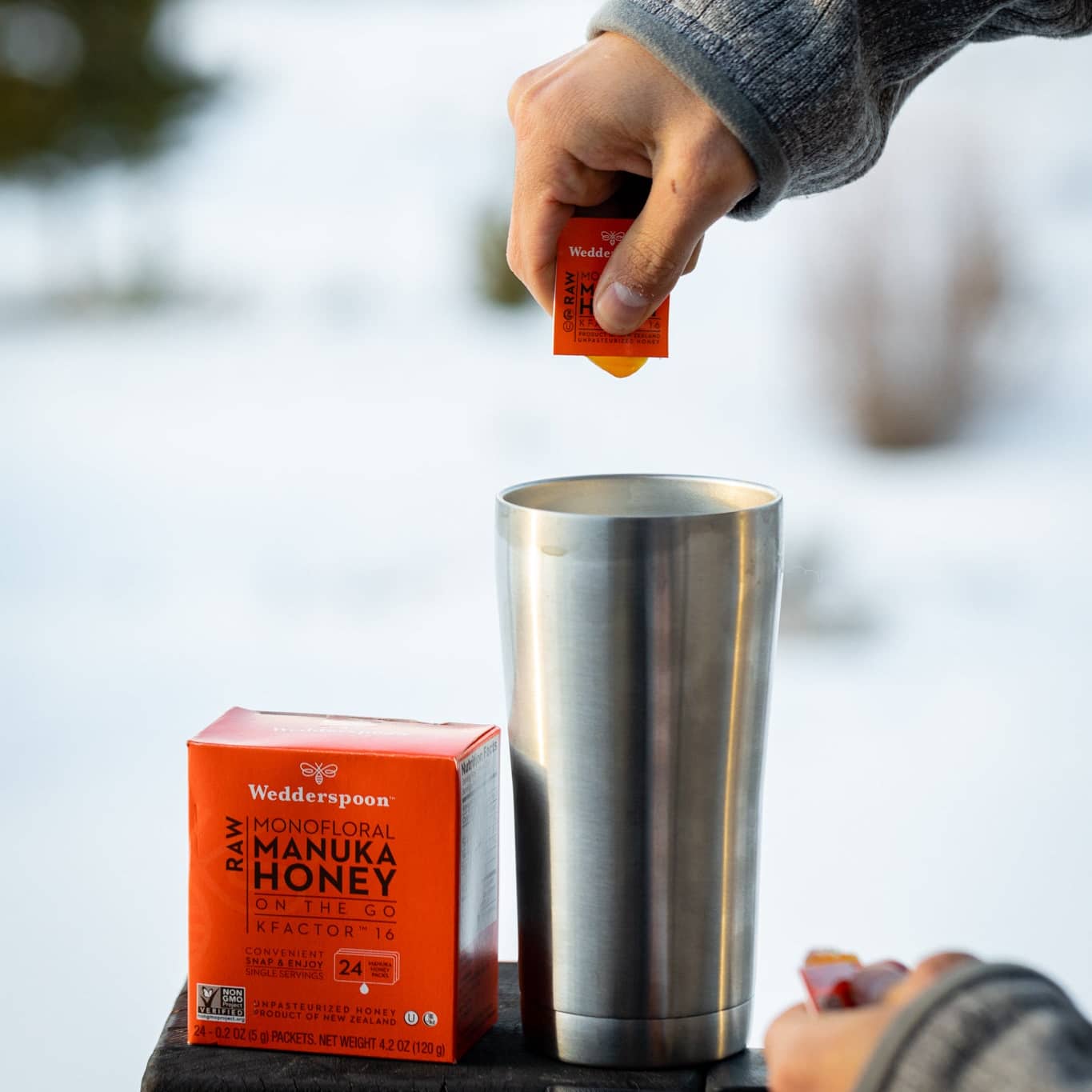
Wedderspoon Mānuka Honey On The Go KFactor 16+ comes as 24 travel-sized snap packs of raw, monofloral honey. The individual format is its reason for appearing here: you can carry a pack without taking a jar. Its KFactor label still does not tell you the pack’s carbohydrate content.
Do not treat an individual pack as an automatically suitable diabetes portion. Read its nutrition information and the amount in the pack before deciding whether it fits your plan. The supplied product description does not establish a diabetes-specific serving size.
Wedderspoon Mānuka Honey On The Go pros:
Wedderspoon Mānuka Honey On The Go cons:
Best for: Shoppers whose care plan includes honey and who want an individual format to carry. Verdict: Buy for portability only after checking the pack’s carbohydrate information.
The ranking separates four shopping needs: independent verification of a stated MGO rating, organic status, a raw KFactor jar and portability. It does not rank products by health effect. No product information here establishes that one mānuka honey produces a better blood glucose response than another.
That is why the most visibly graded jar does not automatically win for every shopper. In 2026, the right first check remains the nutrition panel and the amount your care plan allows. Once that is settled, choose the format and product evidence you value.
If honey is not part of your diabetes care plan, do not choose a manuka grade as a workaround. Ask your diabetes care team how honey fits your individual advice. Honey is still honey whether its label says 400 MGO, KFactor 16 or organic.
If your plan does allow it, choose Wedderspoon Raw Mānuka Honey 400 MGO, 500g when product-specific independent verification is your priority. Choose the organic 250g jar for its stated organic status, the KFactor 16 jar if you prefer that grading label, or the snap packs when carrying honey matters most. Manuka Honey Direct’s mānuka honey range gives you those format choices; none removes the need to check carbohydrates and portions.
What is the best mānuka honey for diabetics in 2026?
There is no mānuka honey grade that is best for diabetes. Honey contains sugar; check the carbohydrate information and follow your individual diabetes care plan before choosing any jar or pack.
Is high-MGO mānuka honey better for people with diabetes?
No high-MGO rating establishes that a honey is better for people with diabetes. MGO describes a characteristic of the honey, not the carbohydrate content of your serving or its effect on your blood glucose.
Is KFactor 16 the same as 400 MGO?
No. KFactor and MGO are different grading systems, so their numbers cannot be directly compared. Check the stated grade for product preference and the nutrition panel for carbohydrate information.
Is organic mānuka honey sugar-free?
No. Organic describes how a product is certified, not an absence of sugar. Read the carbohydrate information on the specific jar before deciding whether a portion fits your plan.
Are mānuka honey snap packs suitable for diabetes?
A snap pack is not automatically suitable for someone with diabetes. Check the amount in the pack and its carbohydrate information against your individual care plan.
Does an independent MGO test tell me how much honey to eat?
No. An MGO test verifies a stated characteristic of the honey; it does not set a serving size for diabetes. Use the food label and your individual care advice to assess an amount.
Can I compare a 250g jar with a 500g jar using the front label alone?
No. Jar weight tells you how much honey the container holds, not how much you will eat at once. Compare the nutrition information for the portion you actually intend to take.
A clearly verified manuka grade and a suitable food choice are separate decisions. In 2026, keep both checks in view: use the grade to assess the honey you are buying, then use the nutrition label and your care plan to assess whether you should eat it.