Your Cart is Empty


Best for a minor cut: clean it and cover it with a sterile dressing. Best when a clinician specifically recommends honey for a wound: a sterile, medical-grade honey dressing intended for wound use. Best for eating, not applying to a wound: a clearly labelled jar from Manuka Honey Direct. A food-grade mānuka honey jar is not a substitute for a sterile wound dressing.
A search for manuka honey for wounds mixes two different products: honey sold as food and sterile dressings intended for wound care. The word mānuka does not remove that distinction. A jar can carry a clear origin statement and a measurable grade while still being packaged for eating rather than for application to broken skin.
That distinction matters more than the number on the label. In 2026, a 400 MGO food jar is still a food jar. A KFactor 16 food jar is also a food jar. Neither grading statement tells you that the contents have been prepared, packaged or labelled as a sterile wound dressing.
For a minor cut, follow ordinary first aid: clean the wound and cover it with a sterile dressing. If bleeding will not stop, the wound is deep, or you see signs of infection, seek medical advice rather than choosing a honey product yourself. Follow the advice and dressing instructions given for your particular wound.
The first question is not which mānuka grade has the largest number. It is whether the product is intended for the job you need it to do. Use these criteria before comparing any jar or dressing:
These criteria also stop an easy mistake: ranking edible jars by MGO and calling the highest number the best wound treatment. That comparison answers a grading question, not a wound-care question.
| Option | Best for | Standout feature | Key limitation |
|---|---|---|---|
| Cleaning and a sterile dressing | Routine first aid for a minor cut | Keeps the choice focused on basic wound care | Does not replace medical assessment when a wound needs it |
| Clinician-selected medical-grade honey dressing | Wounds for which a clinician recommends honey | Designed and labelled for wound use | Not every wound calls for honey; follow clinical instructions |
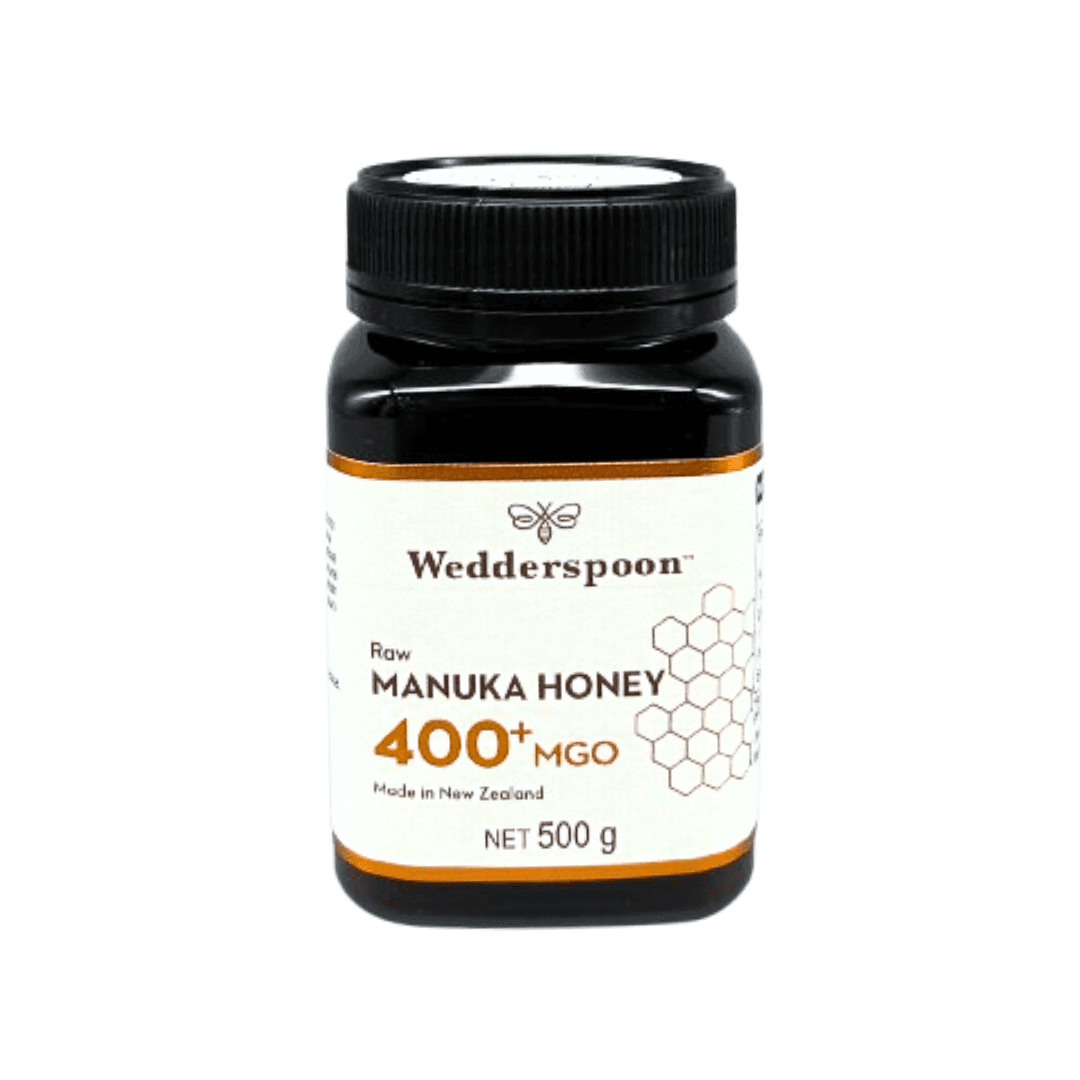
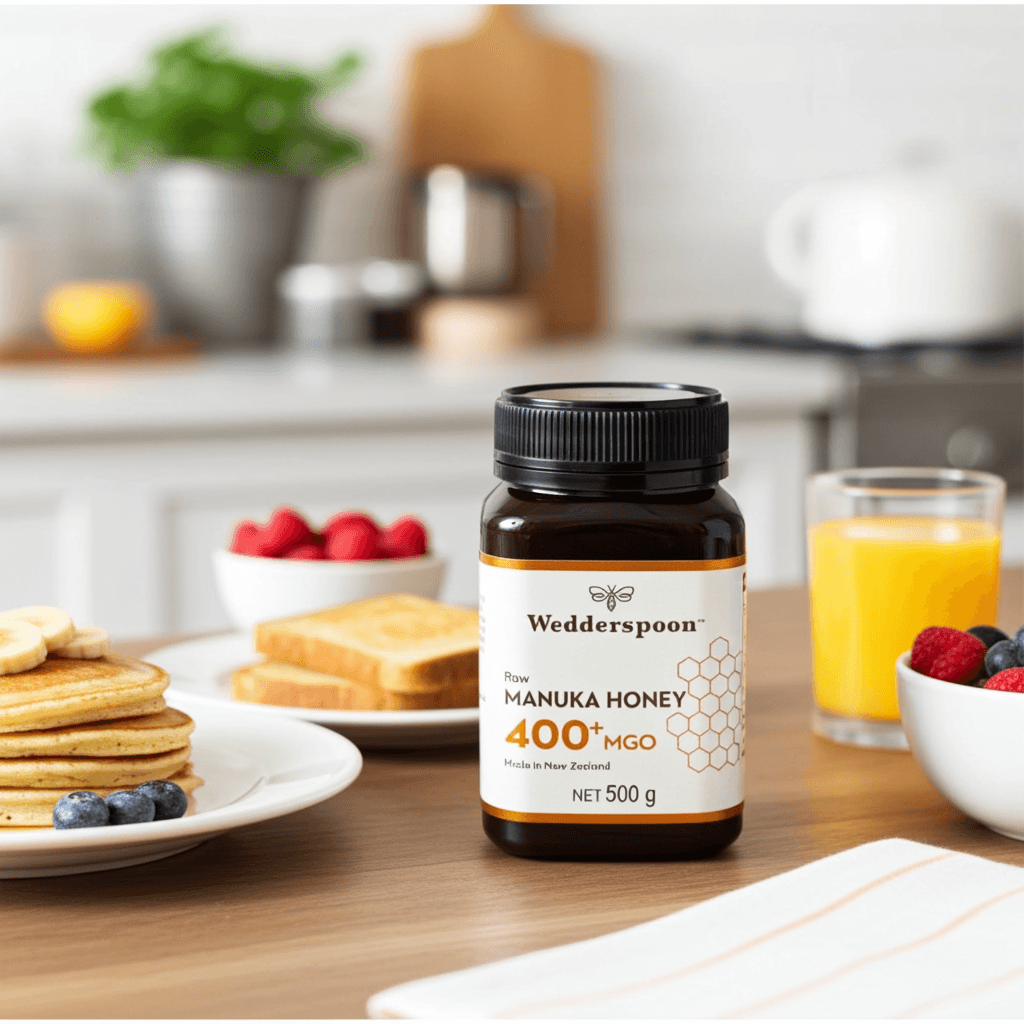
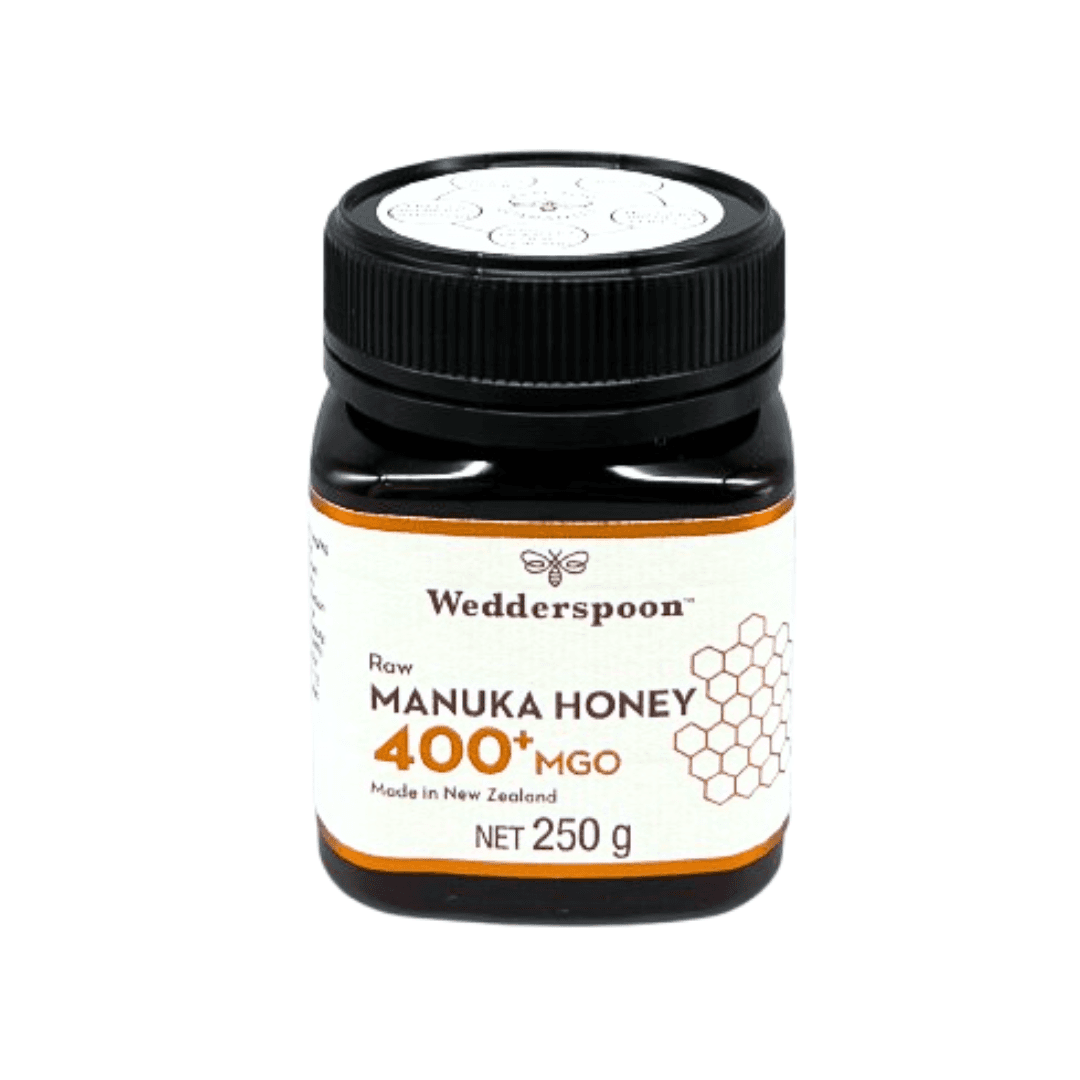
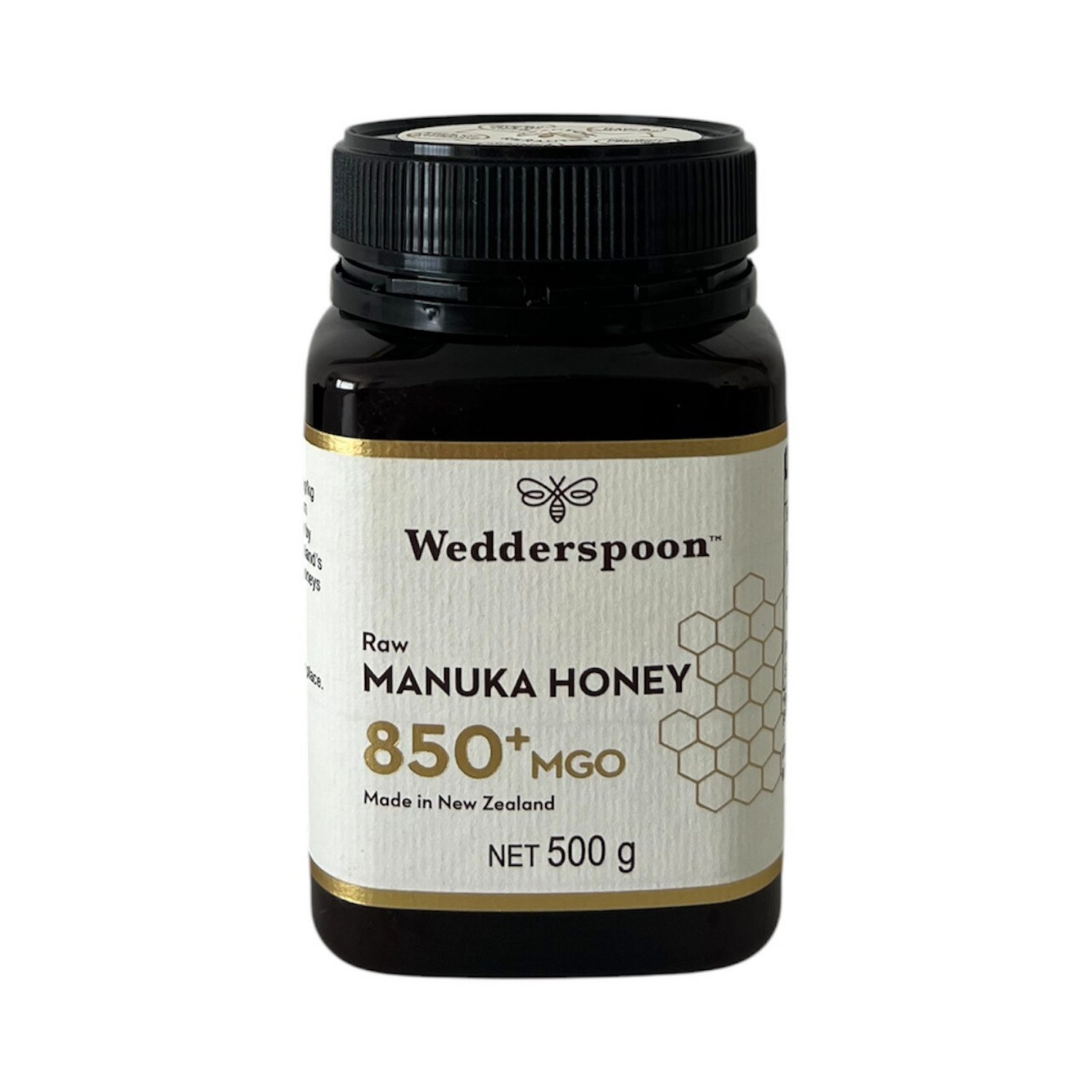
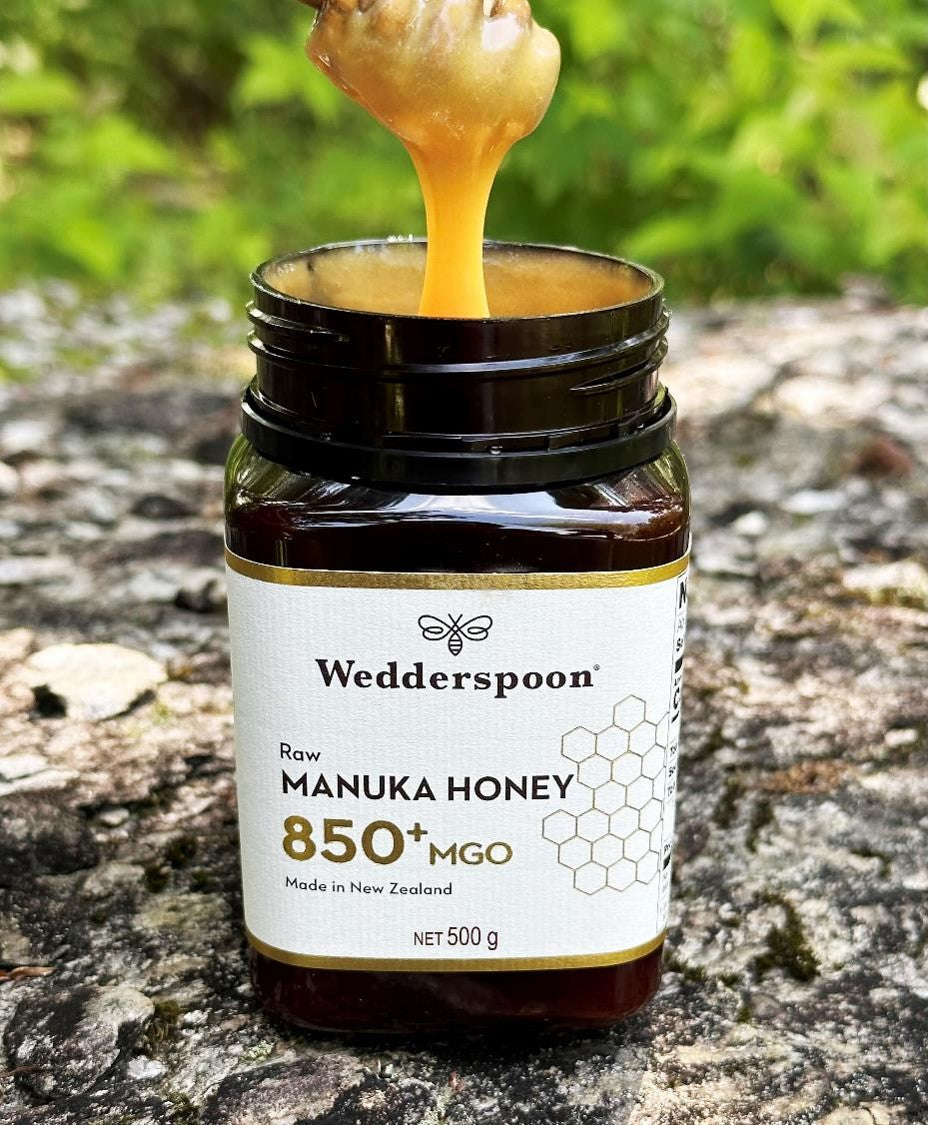
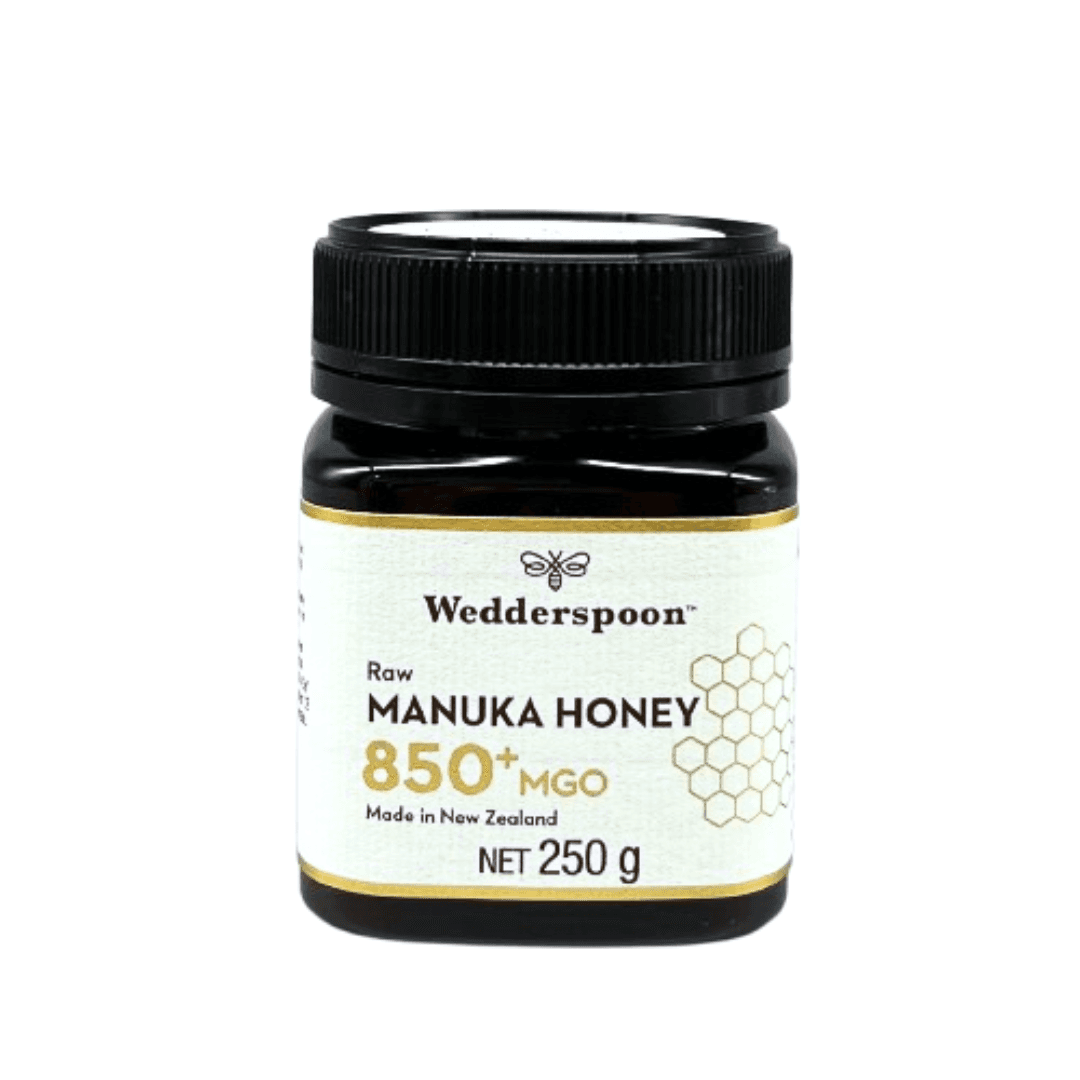
| Wedderspoon Raw Mānuka Honey, 400 MGO, 500g | Eating when you want a stated MGO grade | Food jar with a stated 400 MGO grade | Not a sterile wound dressing |
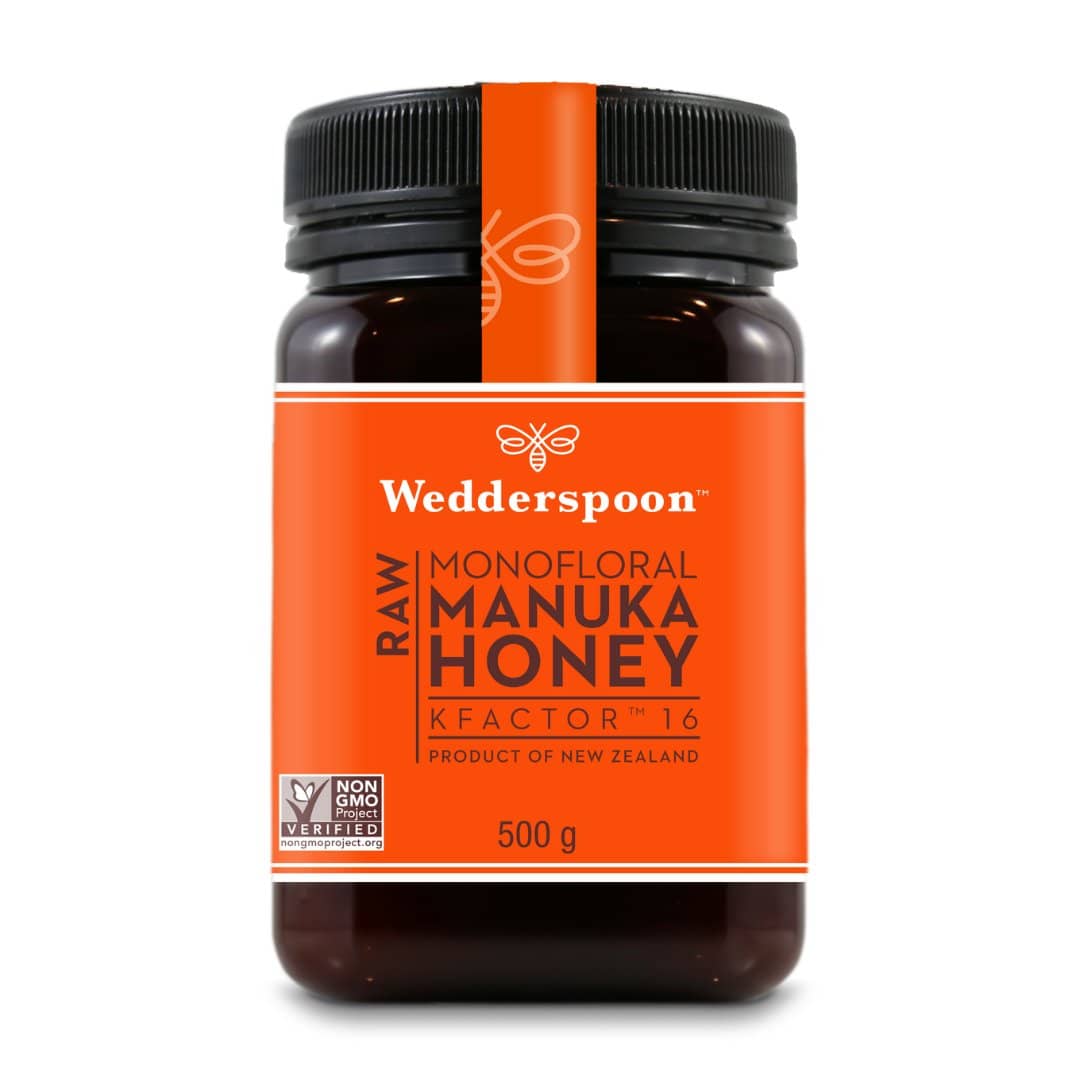
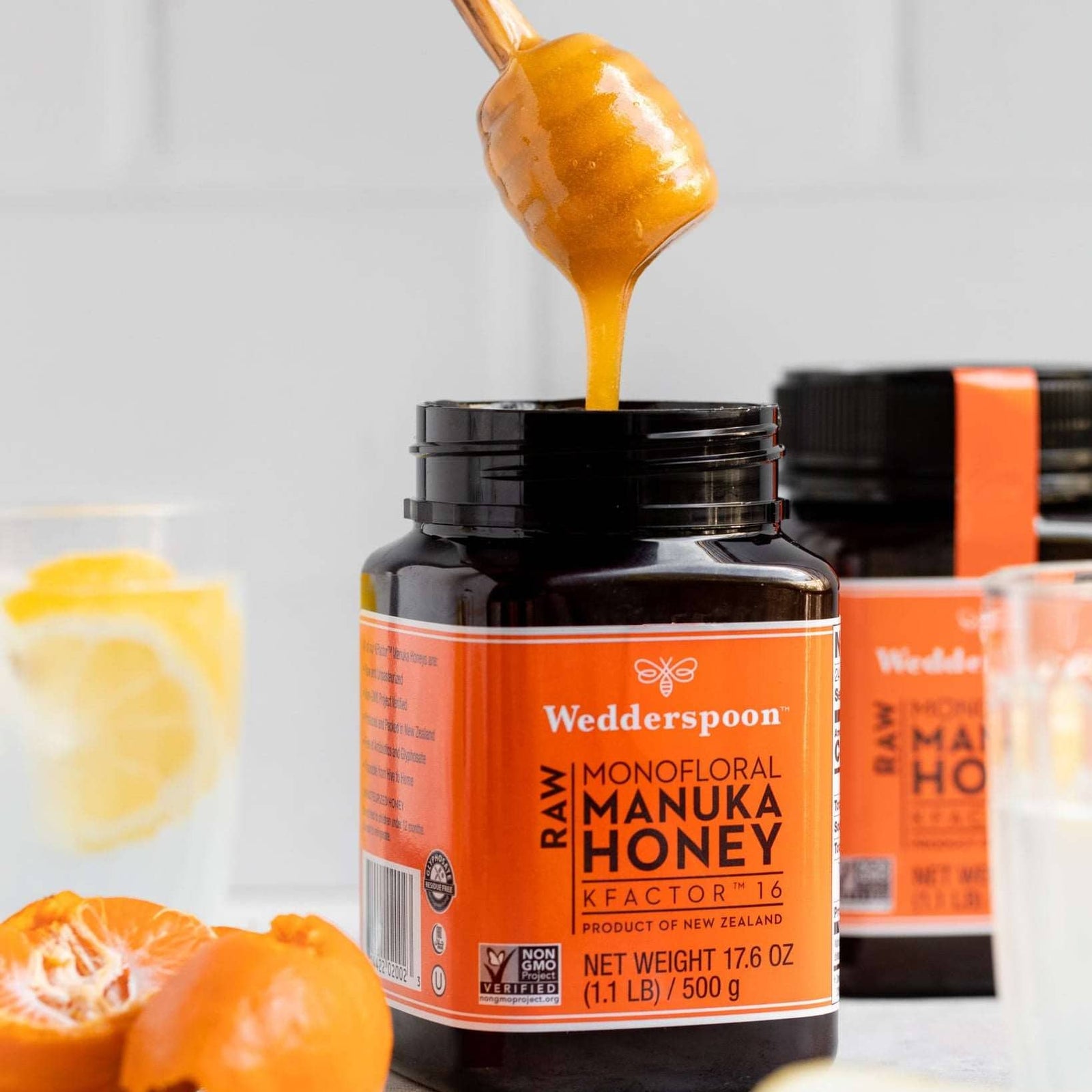
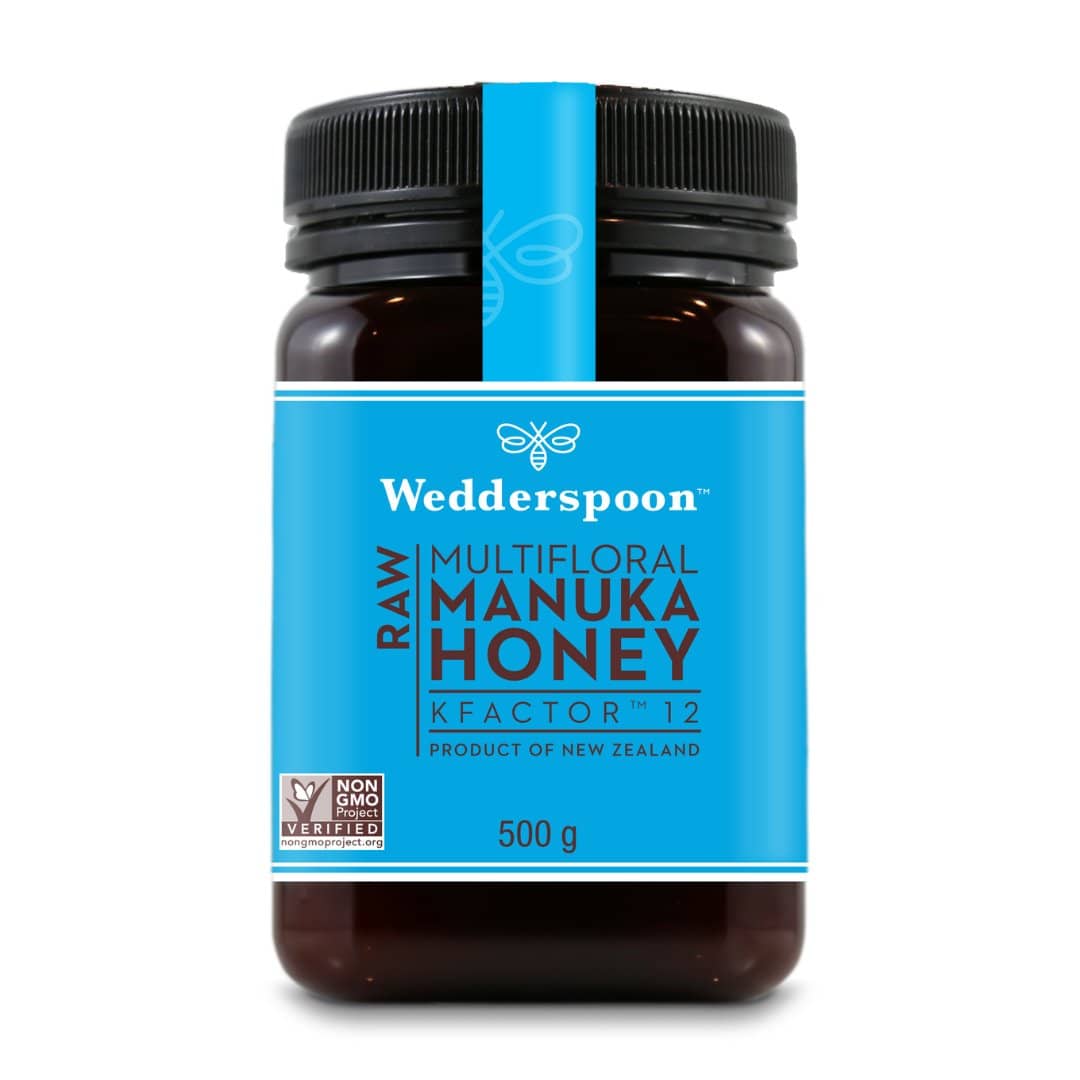
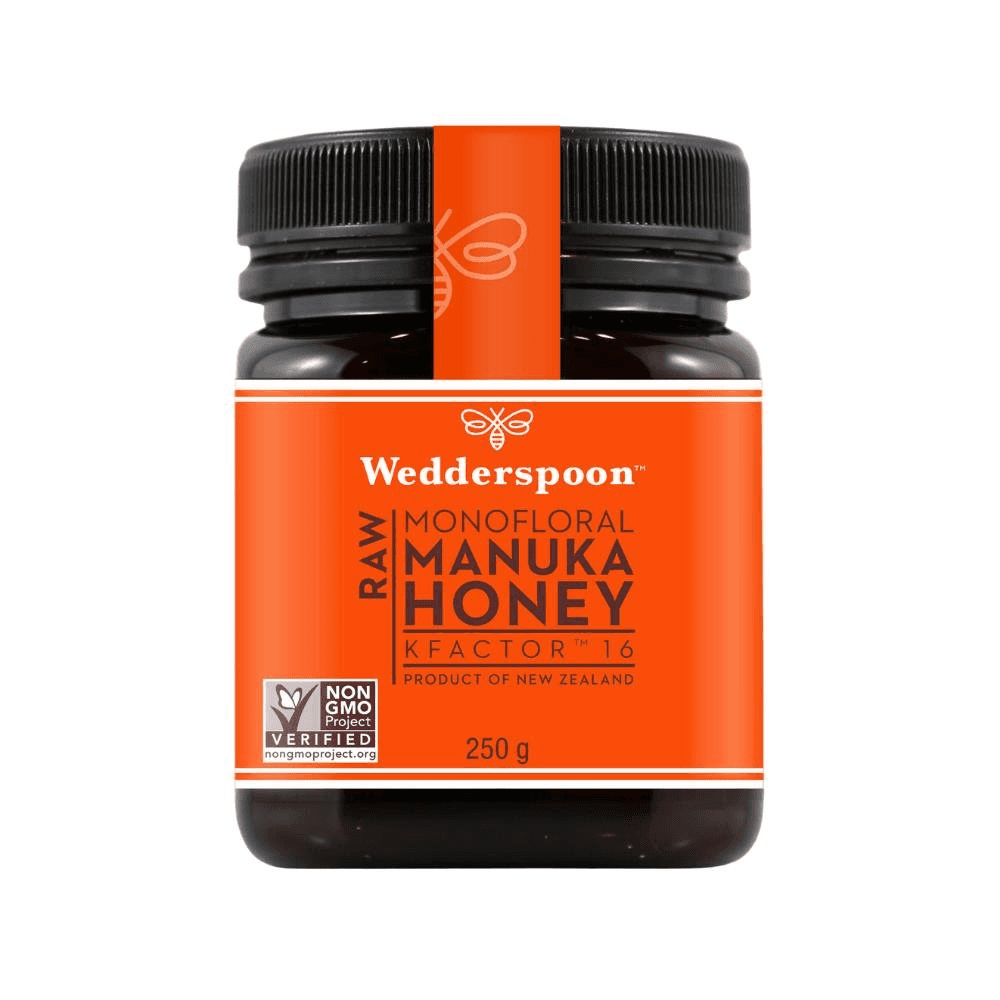
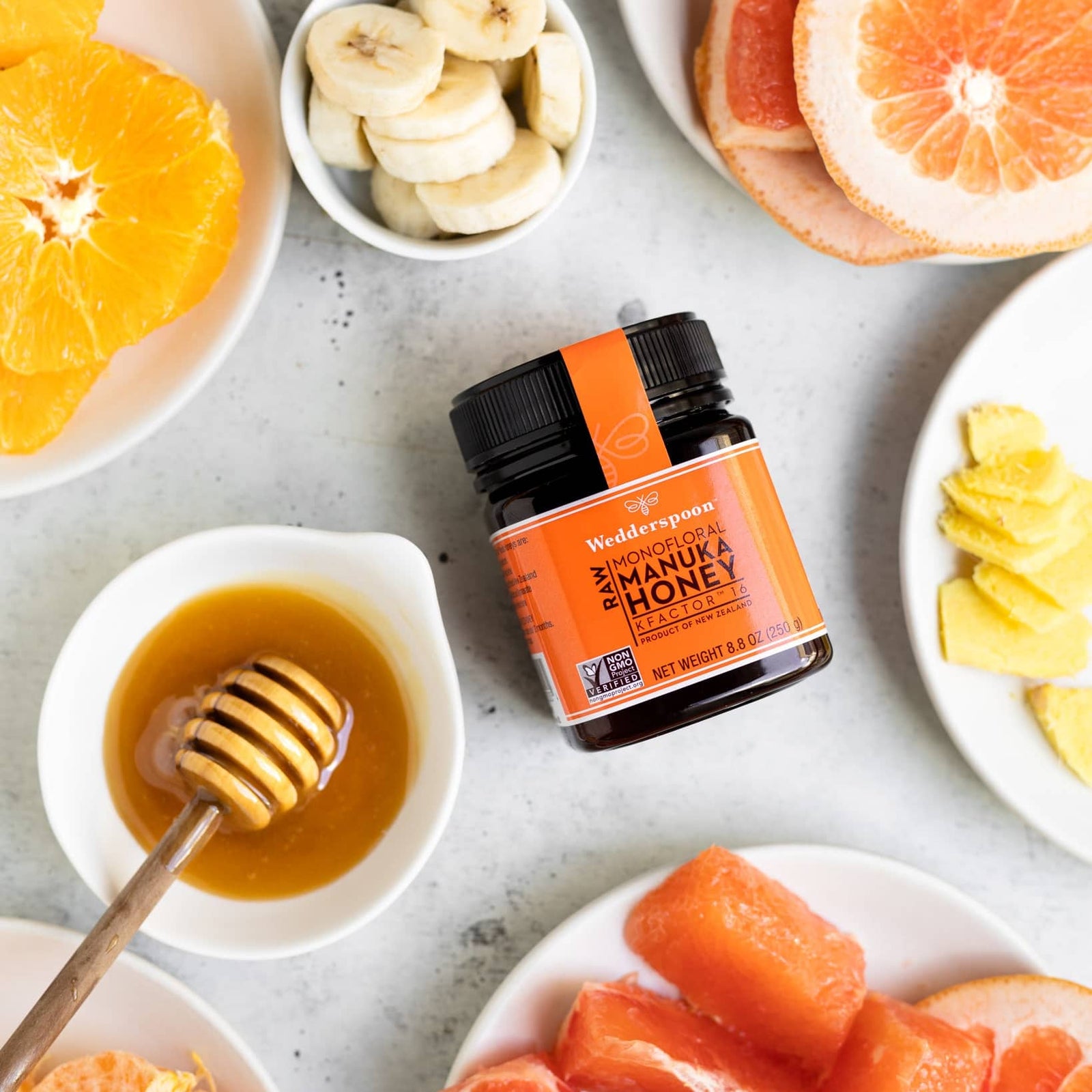
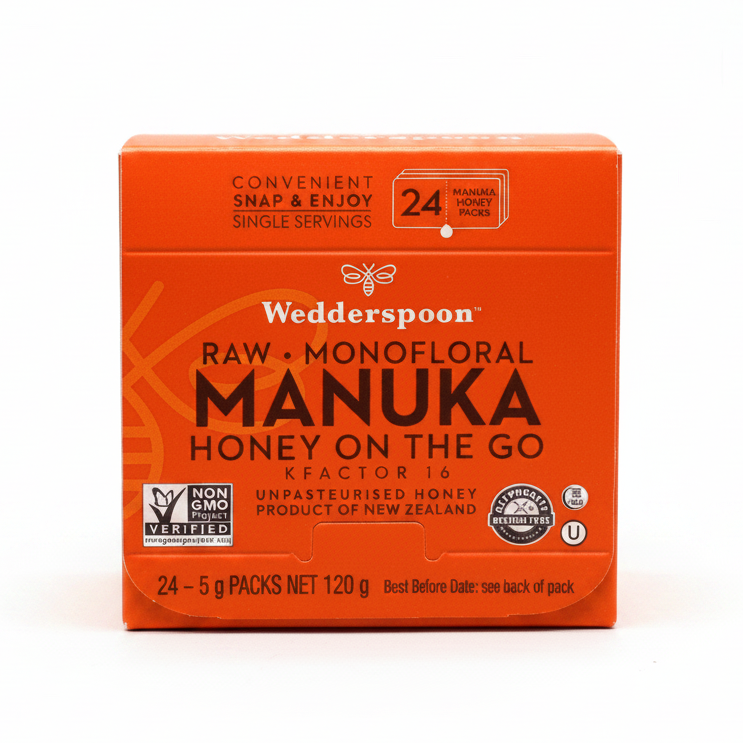
| Wedderspoon KFactor 16 Raw Mānuka Honey, 250g | Eating when you prefer a smaller KFactor jar | Raw, unpasteurised food honey in a 250g jar | KFactor 16 is not an MGO value or a wound-care claim |
The first two rows are wound-care choices. The jars are included because shoppers encounter them while searching for manuka honey for wounds; their proper use in this comparison is as food. Manuka Honey Direct is best for shoppers choosing labelled edible mānuka honey, not for replacing a clinician-selected wound dressing.
For a minor cut, start with the wound rather than a honey grade. Clean it, then cover it with a sterile dressing. This is the practical default when you have no instruction from a clinician to use a specialist dressing.
The dressing label tells you how to use that dressing. Keep the wound-care decision separate from the edible honey you may have at home. In 2026, buying a graded mānuka jar does not change the basic first-aid steps for a minor cut.
Cleaning and a sterile dressing pros:
Cleaning and a sterile dressing cons:
Best for: An ordinary minor cut without a clinician-directed specialist dressing. Verdict: Buy a sterile dressing for your first-aid supplies; do not buy a food jar to use in its place.
A medical-grade honey dressing is a wound-care product, not a spoonful taken from a retail jar. Choose one only when a clinician recommends it for your wound and tells you how to use it. Check the particular product's wound-use instructions rather than assuming every honey-based dressing works the same way.
This is the relevant comparison if your question is genuinely about honey applied to a wound. Ask which dressing format is appropriate, how it should be covered and when the wound should be reviewed. Do not transfer instructions from one dressing to a different product.
Medical-grade honey dressing pros:
Medical-grade honey dressing cons:
Best for: A wound for which a clinician has specifically recommended a medical-grade honey dressing. Verdict: Buy the dressing specified in your care instructions, not an edible alternative.
A food jar and a wound dressing can both contain honey, but their labels answer different questions. The jar tells you about an edible product. The dressing identifies an intended wound-care use and carries instructions for that use. A grade on the jar does not bridge that gap.
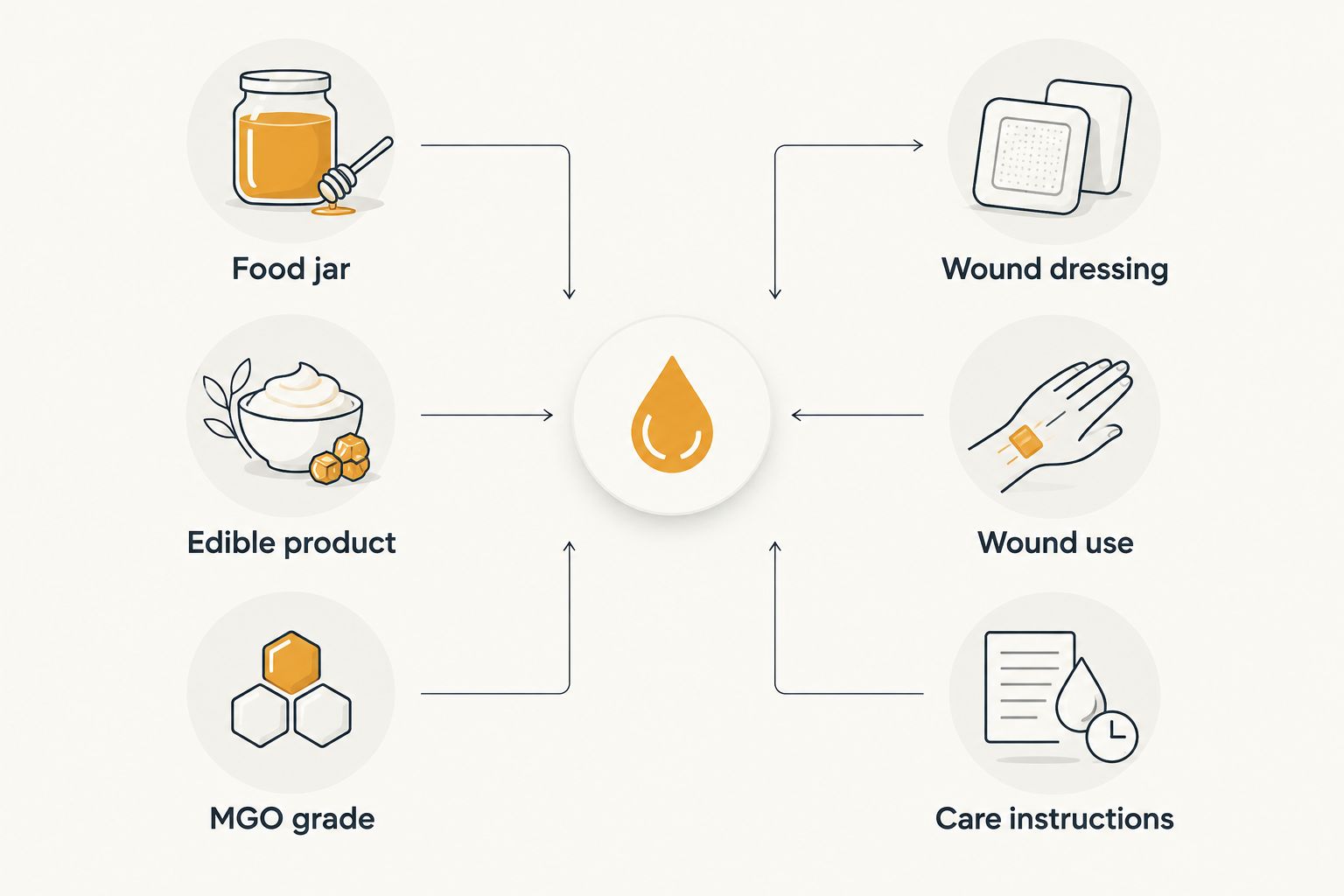
If you are holding a jar and wondering whether its grade makes it suitable for a cut, stop at the intended-use label. Do not open it for wound care. If you are holding a medical dressing, read its own instructions and follow the advice given for your wound.
This is an unpasteurised, 500g food jar with a stated 400 MGO grade. Its product description says an independent, New Zealand government-approved laboratory verifies quality and authenticity for this particular honey. That is useful information when you are choosing what to eat; it is not evidence that the jar is sterile or approved as a wound dressing.
MGO is a grading measure for the honey. It does not tell you what a wound needs, whether honey should be applied, or how a dressing should be used. In a 2026 comparison about wound care, that limitation belongs beside the grade, not in small print.
Wedderspoon Raw Mānuka Honey, 400 MGO, 500g pros:
Wedderspoon Raw Mānuka Honey, 400 MGO, 500g cons:
Best for: Eating mānuka honey when a stated MGO grade matters to your food purchase. Verdict: Buy for food; skip for wounds.
This Wedderspoon food jar is labelled KFactor 16 and weighs 250g. Its supplied product description identifies it as raw, Non-GMO Project Verified honey sourced from New Zealand. Those are product-selection details for an edible jar, not instructions for treating a cut.
The smaller format gives you a different food-buying choice from the 500g MGO jar. Do not rank the two numbers as though KFactor 16 were below or above 400 MGO on a single scale. They use different systems, so compare the labels on their own terms.
Wedderspoon KFactor 16 Raw Mānuka Honey, 250g pros:
Wedderspoon KFactor 16 Raw Mānuka Honey, 250g cons:
Best for: Eating mānuka honey when you want a 250g jar with a stated KFactor grade. Verdict: Buy for food; skip for wounds.
Intended use comes first. Routine first aid leads the list for an ordinary minor cut; a medical-grade honey dressing follows for cases where a clinician recommends one. Food jars come last because they answer a different buying question, even when their labels give useful detail about grade, weight or sourcing.
The jar descriptions above rely on details stated for those specific products. Testing mentioned for the Wedderspoon 400 MGO, 500g jar has not been assumed for the KFactor 16 jar. Nor has either food product been treated as a medical device. That distinction is the basis of the 2026 ranking.
For a minor cut, choose cleaning and a sterile dressing. For a wound with a clinician-directed honey care plan, choose the medical-grade dressing named in that plan. If your goal is to eat mānuka honey, choose a food jar by its own label and format rather than by a supposed wound-care strength.
For shoppers choosing food, Manuka Honey Direct offers the Wedderspoon MGO and KFactor jars compared here. Start with the grading system you want to understand: the 400 MGO, 500g jar has a stated MGO grade and product-specific verification detail; the KFactor 16, 250g jar uses a different grading system. Neither belongs on an open wound simply because it is mānuka honey.
Can I put mānuka honey from a food jar on a cut?
No. A food-grade jar is not a sterile wound dressing. Clean a minor cut and cover it with a sterile dressing, or follow the care instructions given by a clinician.
What's the best manuka honey for wounds in 2026?
If a clinician recommends honey for your wound, use the specific sterile medical-grade honey dressing they advise. For an ordinary minor cut, cleaning and a sterile dressing are the default first-aid choice.
Does a higher MGO grade make a food jar suitable for wounds?
No. MGO grades honey; it does not turn an edible jar into a sterile wound-care product. Check intended-use labelling before considering any product for a wound.
Is KFactor 16 the same as 400 MGO?
No. KFactor and MGO are different grading systems, so their numbers are not interchangeable. Neither number tells you whether a food jar can be used as a wound dressing.
Are raw or unpasteurised mānuka honey jars sterile?
Do not assume so. Raw or unpasteurised describes a food product's processing, not its suitability as a sterile wound dressing.
Are mānuka honey snap packs suitable for wound care?
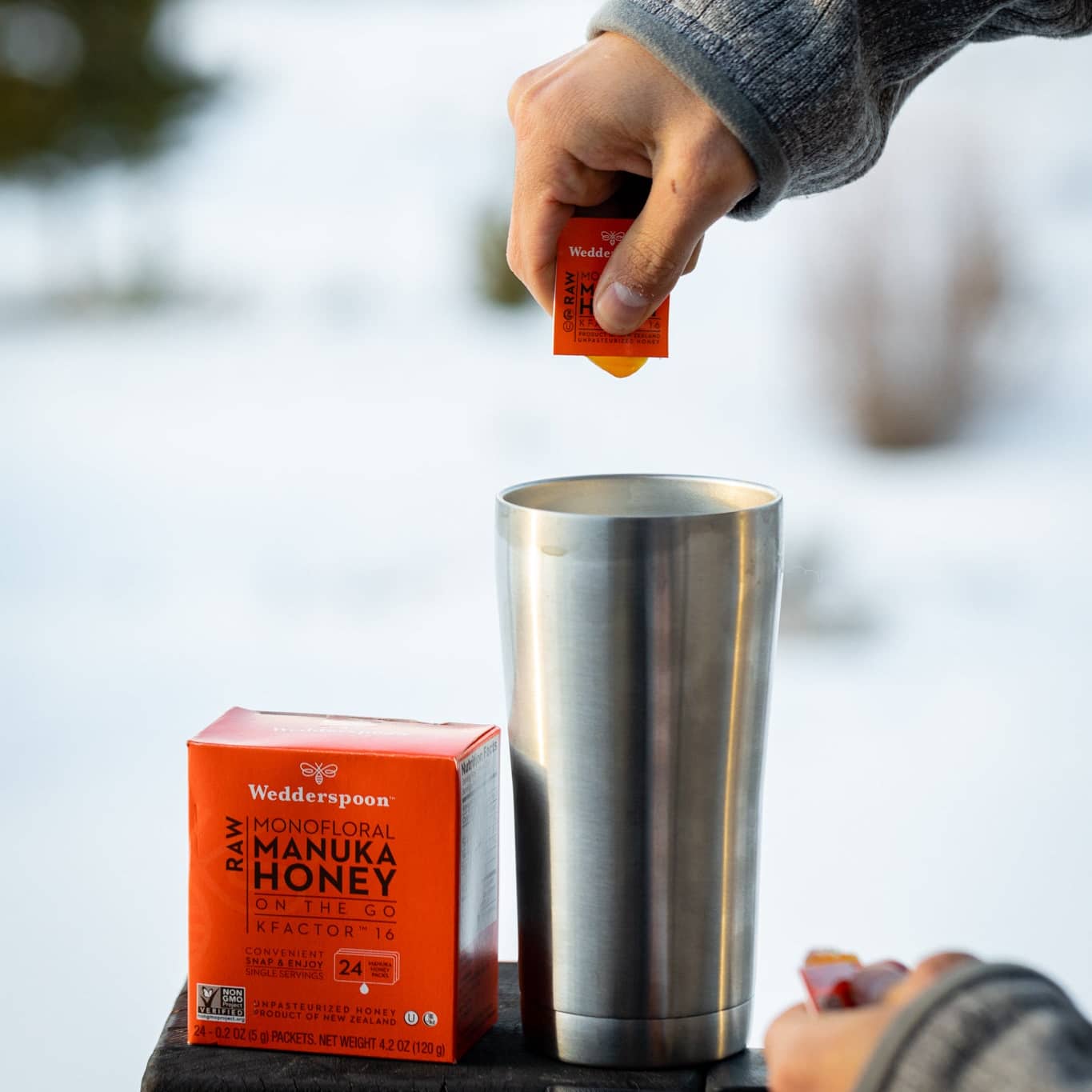
No. The Wedderspoon snap packs listed by Manuka Honey Direct are an edible honey format, not a wound dressing. Choose a product labelled for wound use if a clinician has recommended honey-based care.
When should I seek advice about a wound?
Seek medical advice if bleeding will not stop, the wound is deep, or you see signs of infection. Do not delay assessment while comparing honey grades or food jars.
The most useful label check in 2026 is not the largest printed grade. It is the product's intended use. You can value clear grading and product-specific verification when buying honey to eat while keeping wound-care decisions with appropriate dressings and clinical advice.